
Hyperbaric Oxygen Therapy Benefits: The Complete Evidence Guide
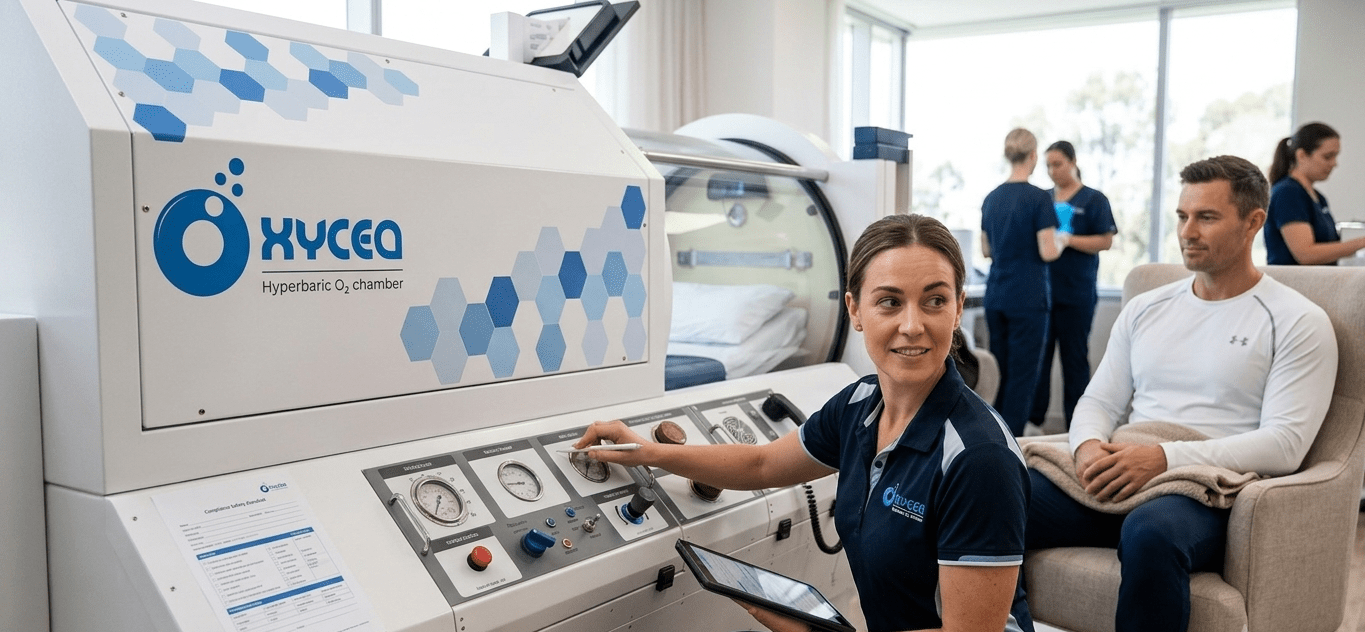
| IMAGE BLOCK 1 — Hero File name: hyperbaric-oxygen-therapy-benefits-complete-guide-india.jpg Alt text: hyperbaric oxygen therapy benefits complete guide India conditions evidence research Caption: Hyperbaric oxygen therapy benefits — a complete evidence guide covering 12 conditions from wound healing to stroke, TBI, autism and brain health. Compress: Under 100KB Placement: After H1, before first paragraph |
|---|
| IMAGE BLOCK 2 — Mechanism Diagram File name: hbot-mechanism-plasma-oxygen-tissue-benefits-india.jpg Alt text: hbot mechanism plasma oxygen tissue benefits India dissolved oxygen under pressure Caption: How HBOT delivers dissolved oxygen under pressure directly to tissues that need it most — the core mechanism behind its wide range of clinical benefits. Compress: Under 100KB Placement: After the mechanism section H2 1 |
|---|
[ INSERT HERO IMAGE — hyperbaric-oxygen-therapy-benefits-complete-guide-india.jpg ]
Most therapies do one thing. Hyperbaric oxygen therapy benefits span twelve distinct conditions — from diabetic wounds and stroke recovery to traumatic brain injury, autism, depression, and hearing loss. That range is not a marketing claim. It follows from a single, elegant mechanism.
This guide explains that mechanism, presents the evidence across each condition, and gives you the context to judge which benefits are established, which are emerging, and which are still investigational.
Every claim in this guide is referenced to peer-reviewed research. No anecdotes. No hype.
How One Mechanism Produces So Many Benefits
Standard oxygen in the blood is carried by haemoglobin — and haemoglobin capacity is fixed. At sea level, haemoglobin is already 97–98% saturated. There is no meaningful way to increase oxygen delivery through breathing alone.
HBOT changes this by applying pressure. At 2.0 ATA (atmospheres absolute), oxygen dissolves directly into blood plasma — bypassing haemoglobin entirely. Plasma oxygen levels increase 10 to 20 times. That dissolved oxygen can reach tissues that blood cells cannot access: areas of reduced circulation, hypoxic wound beds, compressed cochlear tissue, and neurologically injured brain regions.
Three downstream effects follow from this single mechanism:
- Cellular repair — Oxygen-starved cells resume normal energy production. Wound healing, nerve regeneration, and hair cell recovery all depend on this (Thom SR, Plast Reconstr Surg, 2011).
- Anti-inflammatory signalling — HBOT reduces the inflammatory cytokine cascade in neural and connective tissue, reducing both acute inflammation and chronic neuroinflammation.
- Angiogenesis and stem cell mobilisation — HBOT stimulates new blood vessel formation and mobilises stem cells from bone marrow — providing a structural repair capacity that no drug can replicate (Bhutani S, Indian J Plast Surg, 2012; Thom SR et al, Am J Physiol, 2006).
For a detailed explanation of this mechanism, read our full guide on what HBOT is and how it works.
[ INSERT IMAGE — hbot-mechanism-plasma-oxygen-tissue-benefits-india.jpg ]
Hyperbaric Oxygen Therapy Benefits — Evidence Across 12 Conditions
Each condition listed below has a dedicated in-depth article on this site. Evidence levels are assessed against the peer-reviewed literature available as of mid-2026.
| Condition | Evidence Status | Key Research | Evidence Level | What It Means |
|---|---|---|---|---|
| Diabetic foot ulcers & wound healing | Established | Multiple RCTs; Health Quality Ontario 2017 HTA | High | Improved healing rates in chronic wounds — one of 14 FDA-recognised HBOT indications |
| Stroke recovery | Established adjunctive | Efrati et al, PLoS ONE, 2013 RCT — neuroplasticity | High | Improved cognitive and motor outcomes when started in chronic phase |
| Traumatic brain injury (TBI) | Established adjunctive | Boussi-Gross 2013; Hadanny 2018 | High | Improved cognitive, neurological, and quality-of-life outcomes |
| Radiation injury | Established | Niezgoda et al 2016; Oscarsson 2017 | High | Another of 14 FDA-recognised HBOT indications — soft tissue necrosis |
| Sudden sensorineural hearing loss | Established adjunctive | Multiple ENT clinical guidelines | High | Time-critical — must start within 72 hours alongside corticosteroids |
| PTSD (TBI-associated) | Substantive evidence | Harch PG 2017; Eve DJ 2016 | Moderate-High | Significant PTSD symptom reduction after 40-session protocol |
| Depression & anxiety (neurological) | Investigational | He H 2019; Vadas D 2017 | Moderate | Evidence concentrated in TBI/PTSD populations — not primary MDD |
| Autism spectrum disorder | Investigational | Rossignol 2009 RCT; Rossignol 2012 | Moderate | Positive RCT; Cochrane review found evidence insufficient for standard recommendation |
| Alzheimer's & dementia | Emerging | Harch 2019 case report; Shapira 2018; Qiang 2019 meta-analysis (vascular dementia) | Low-Moderate | Most developed for vascular dementia; Alzheimer's remains investigational |
| Fibromyalgia | Emerging | Efrati et al, PLoS ONE, 2015; Yildiz 2004 | Moderate | Significant pain and quality-of-life improvements in prospective trial |
| Sports recovery & performance | Emerging | Oyaizu 2018; Fujita 2014 | Moderate | Accelerated muscle repair and inflammation reduction — growing evidence base |
| Cognitive enhancement & brain health | Emerging | Vadas D 2017; Efrati 2013 | Low-Moderate | Improvements in cognition and multitasking in healthy subjects — longevity angle |
The Most Established HBOT Benefits
Wound healing and diabetic foot ulcers
Wound healing is where HBOT has the longest and strongest evidence base. Health Quality Ontario's 2017 Health Technology Assessment of HBOT for diabetic foot ulcers found strong evidence supporting its use as adjunctive therapy, with significantly improved healing rates and reduced amputation risk versus standard care alone.
Diabetic wounds exist in a state of chronic hypoxia — the wound bed has insufficient oxygen to support the cellular repair process. HBOT breaks this cycle by flooding the wound environment with dissolved plasma oxygen, restarting collagen synthesis, fibroblast activity, and angiogenesis.
Stroke recovery
Efrati S et al (PLoS ONE, 2013) conducted the landmark randomised controlled trial of HBOT in post-stroke patients. The trial showed that HBOT produced late neuroplasticity in stroke patients — years after the original event — improving motor, sensory, and cognitive function. The mechanism: HBOT oxygenates the ischaemic penumbra — the dormant but structurally intact brain tissue surrounding the stroke area.
Read the full article: HBOT and stroke recovery.
Traumatic brain injury
Boussi-Gross R et al (PLoS ONE, 2013) showed that HBOT can improve post-concussion syndrome years after mild TBI — a landmark finding that reframed the understanding of what is possible in brain recovery. Hadanny A et al (BMJ Open, 2018) confirmed sustained improvements in cognitive outcomes in a retrospective analysis of TBI patients receiving HBOT.
Read the full article: HBOT and traumatic brain injury.
Emerging and Investigational HBOT Benefits
PTSD and depression
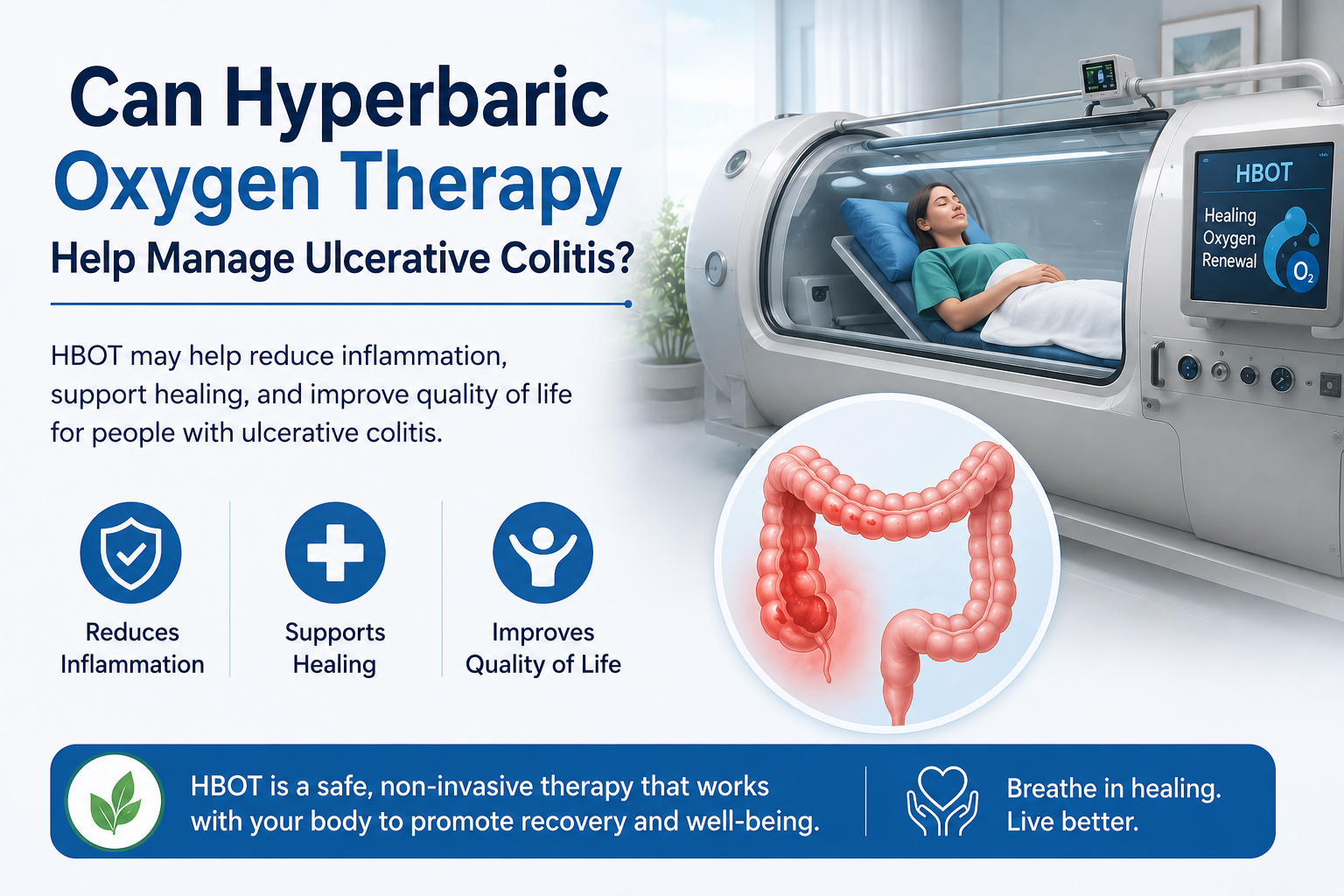
Harch PG et al (Med Gas Res, 2017) showed significant PTSD symptom reduction — including depression and anxiety scores — after 40 HBOT sessions in veterans and civilians with TBI-associated PTSD. The evidence is concentrated in neurological populations; HBOT is still investigational for primary depression.
Read the full evidence: HBOT for PTSD and depression | HBOT for depression and anxiety.
Autism spectrum disorder
Rossignol DA et al (BMC Pediatr, 2009) conducted the largest controlled trial of HBOT for ASD — showing significant improvements in language, social interaction, and cognition after 40 sessions. The Cochrane review found evidence insufficient for a standard treatment recommendation, but the mechanistic logic — targeting oxidative stress, neuroinflammation, and brain hypoperfusion — remains compelling.
Read the full evidence: autism and hyperbaric oxygen therapy — the evidence.
Alzheimer's and dementia
Vascular dementia has the most developed evidence base (Qiang et al meta-analysis, 2019). For Alzheimer's specifically, Harch and Fogarty (2019) published a case report showing measurable PET imaging changes and cognitive improvements after HBOT. Larger trials are awaited.
Read the full evidence: HBOT for Alzheimer's and dementia.
Sudden hearing loss, fibromyalgia, and sports recovery
Sudden sensorineural hearing loss has a well-evidenced adjunctive protocol — HBOT within 72 hours alongside corticosteroids. Fibromyalgia shows promising results from Efrati et al (2015). Sports recovery and muscle regeneration evidence is growing (Oyaizu 2018).
Hearing loss: HBOT for hearing loss and SSHL | Fibromyalgia: HBOT for fibromyalgia and chronic fatigue | Sports recovery: HBOT for sports injuries.
What to Look For in Any HBOT Provider in India
The benefits of HBOT are inseparable from the quality of the chamber delivering them. Several points are non-negotiable:
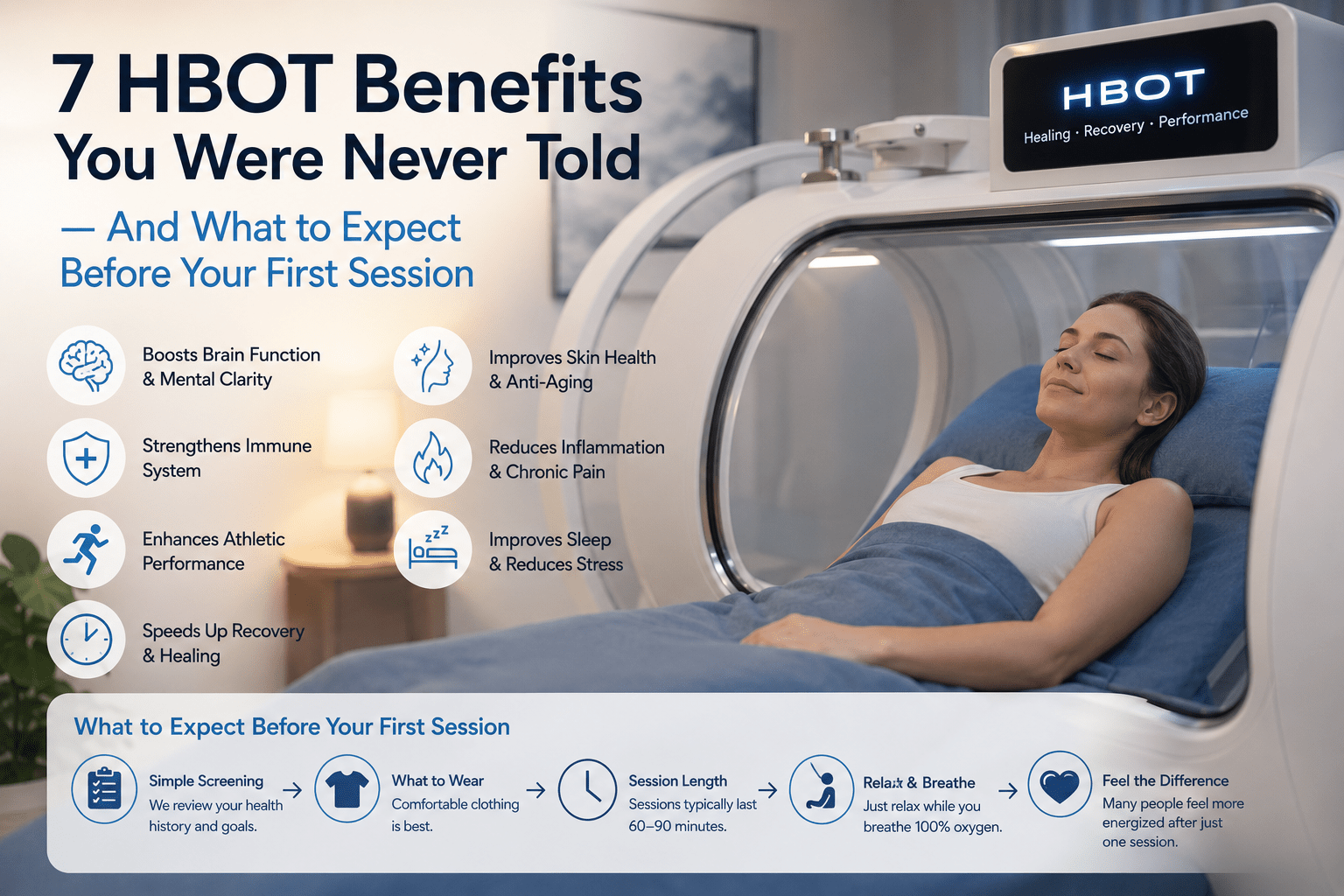
- PVHO certification — Any clinical HBOT session must take place inside a pressure vessel for human occupancy — a PVHO — meeting ASME PVHO-1 standards. This is the engineering baseline for safe, clinical-grade pressurisation. A soft portable chamber at 1.3 ATA is not a PVHO and cannot deliver the pressures required for any of the evidence-based protocols above.
- Pressure confirmation — Ask explicitly: what pressure does your chamber reach? The answer should be 2.0 ATA or above. If it is 1.3 ATA, it is a soft chamber — and the evidence base does not apply.
- Medical oversight — Every session should be supervised by trained staff. For conditions like SSHL, neurological recovery, or PTSD, physician involvement in protocol design is essential.
For PVHO certification verification, read our guide on PVHO chamber certification in India. For safety overview, see is HBOT safe. To find certified clinics, use find a certified HBOT clinic near you.
Frequently Asked Questions
What are the main benefits of hyperbaric oxygen therapy?
The main established benefits are wound healing (diabetic foot ulcers, radiation injury), stroke recovery, and TBI rehabilitation. Emerging evidence supports benefits for PTSD, depression, autism, Alzheimer's disease, sudden hearing loss, fibromyalgia, and sports recovery. All benefits follow from the same mechanism: dissolving oxygen under pressure into blood plasma to reach hypoxic tissue.
Does hyperbaric oxygen therapy actually work?
For the 14 FDA-recognised indications — including diabetic wounds, radiation injury, decompression sickness, and osteomyelitis — HBOT has strong clinical evidence and is an established treatment. For neurological conditions including stroke, TBI, and PTSD, evidence from randomised controlled trials is substantive. For investigational uses including autism, Alzheimer's, and primary depression, evidence is promising but not yet at standard treatment threshold.
How long does it take to see the benefits of HBOT?
It depends on the condition. For sudden hearing loss, the response must begin within 72 hours. For wound healing, improvements typically appear after 10–20 sessions. For neurological conditions, 20–40 sessions is the standard protocol and improvements often build gradually. Cognitive and mood benefits from brain-focused protocols may take the full 40 sessions to become apparent.
What is the difference between clinical HBOT and soft chamber HBOT?
Clinical HBOT uses a PVHO-certified hard chamber at 2.0 ATA or above. This is the standard used in all peer-reviewed research. Soft chambers reach 1.3 ATA and are not PVHO-certified. The mechanism that produces clinical benefits — dissolving oxygen into plasma — does not fully activate at 1.3 ATA. Soft chambers are not clinical HBOT.
Is HBOT safe?
At certified PVHO-standard clinics with trained staff, HBOT has an excellent safety profile. The most common side effect is ear discomfort from pressurisation. Contraindications include untreated pneumothorax, certain cardiac conditions, and active ear infections. Read our full guide on is HBOT safe for the complete picture.


Subscribe
3 Comments
Comments are closed.
[…] For the full wound healing picture, read our hyperbaric oxygen therapy benefits guide. […]
[…] more on this mechanism, read our guide on hyperbaric oxygen therapy benefits. For the brain health dimension specifically, see HBOT and […]
[…] level, see our guide on what HBOT is and how it works. For the broader benefits picture, see our hyperbaric oxygen therapy benefits […]