HBOT for Skin: How Hyperbaric Oxygen Supports Collagen, Healing and Glow
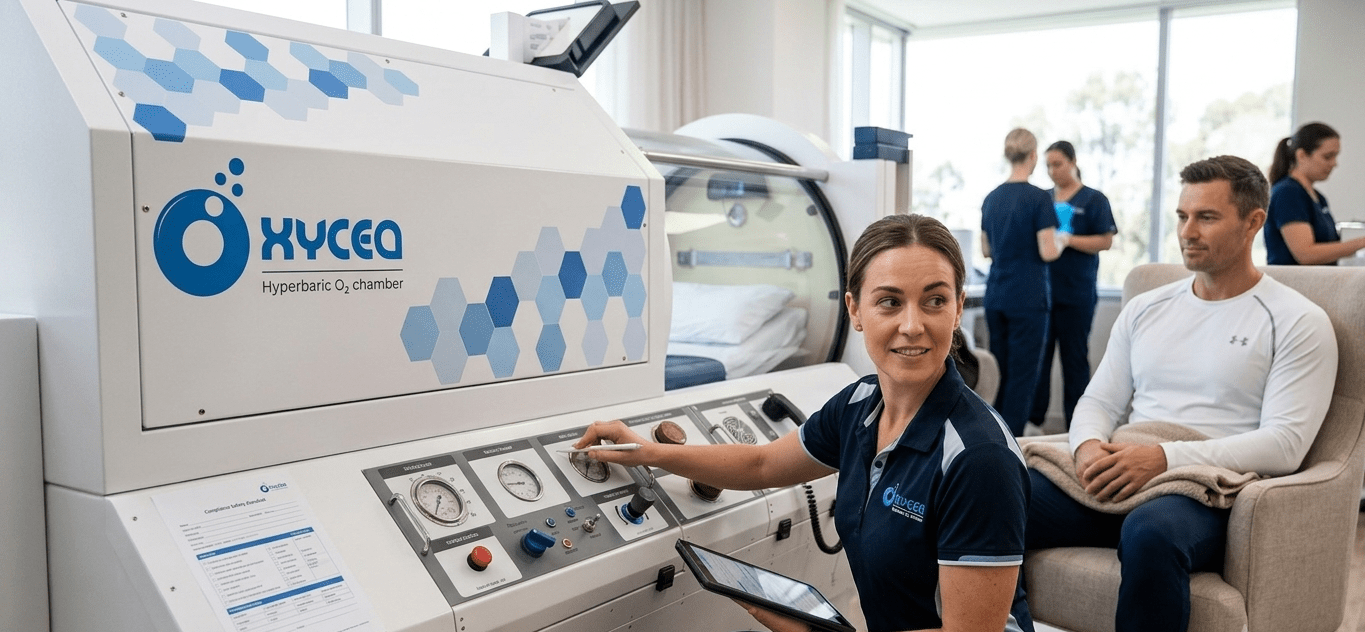
| IMAGE BLOCK 1 — Hero File name: hbot-for-skin-collagen-healing-glow-india.jpg Alt text: hbot for skin collagen healing glow India hyperbaric oxygen therapy skin benefits Caption: HBOT for skin — how pressurised oxygen boosts collagen production, accelerates wound healing and improves skin quality. Compress: Under 100KB Placement: After H1, before first paragraph |
|---|
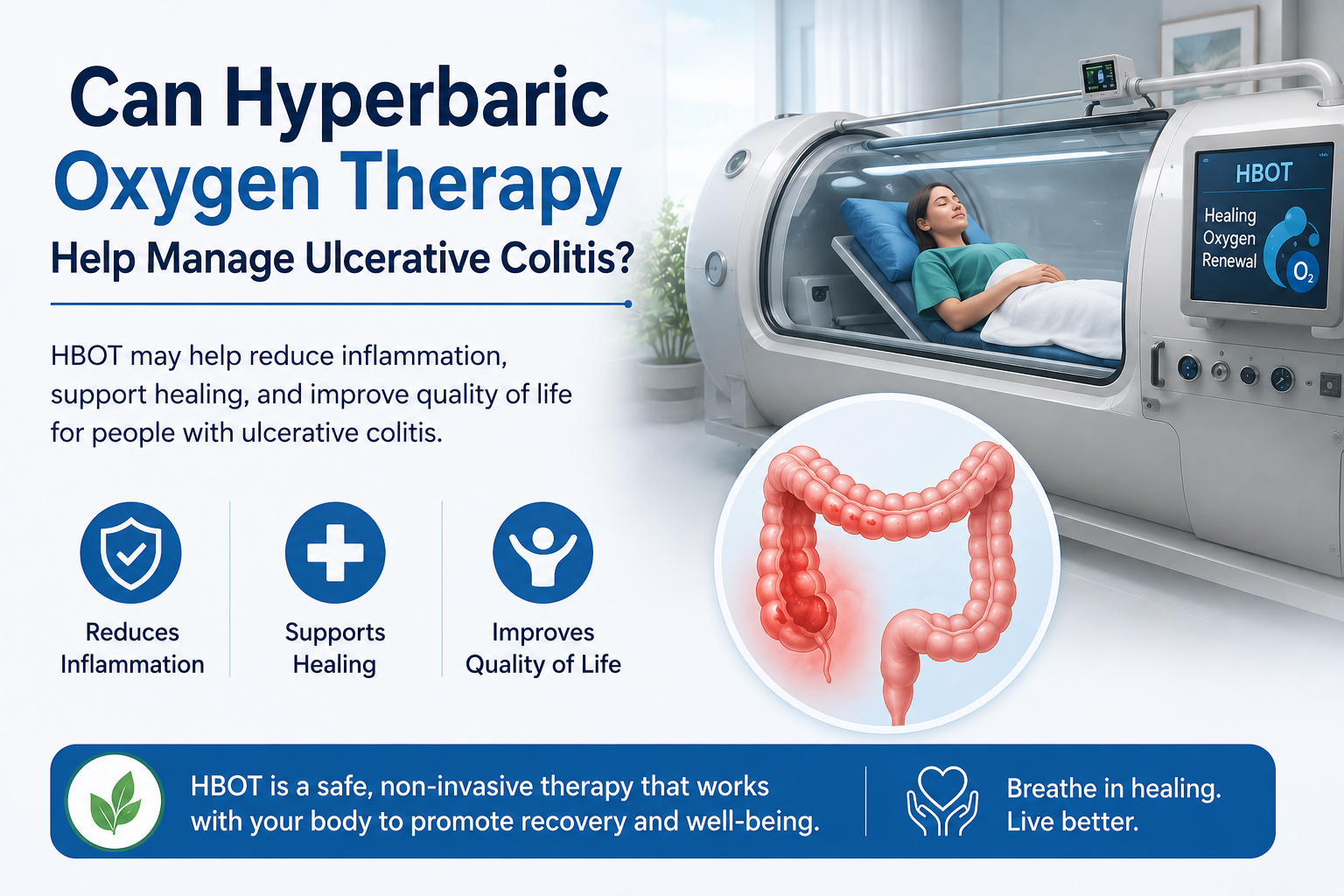
| IMAGE BLOCK 2 — Mechanism File name: hbot-skin-collagen-fibroblast-angiogenesis-mechanism.jpg Alt text: hbot skin collagen fibroblast angiogenesis oxygen delivery mechanism India Caption: How HBOT stimulates fibroblast activity and new collagen synthesis — the biological mechanism behind skin rejuvenation with hyperbaric oxygen. Compress: Under 100KB Placement: After Section 2 mechanism explanation |
|---|
[ INSERT HERO IMAGE — hbot-for-skin-collagen-healing-glow-india.jpg ]
Your skin is the body's largest organ — and one of the most oxygen-hungry. Every cell involved in skin repair, collagen synthesis, and pigmentation regulation depends on adequate oxygen delivery to function properly.
Research on HBOT for skin has grown beyond its origins in wound care. Today, studies document its effects on collagen production, fibroblast activity, scar remodelling, and overall skin quality. This is not a beauty fad. The mechanism is biochemically specific — and the evidence, while not at clinical-trial scale for cosmetic applications, is grounded in established physiology.
This guide covers what the science shows, what results are realistic, and what anyone considering HBOT for skin health should know before booking.
Why Oxygen Is the Foundation of Skin Health
Healthy skin depends on three things happening continuously: collagen synthesis, cellular turnover, and microvascular perfusion. All three are oxygen-dependent.
Standard haemoglobin-bound oxygen operates near its saturation limit — 97–98% — at sea level. That ceiling means there is no room to increase oxygen delivery to skin tissue through breathing alone. HBOT changes this by dissolving oxygen directly into blood plasma under 2.0 ATA pressure, flooding skin capillaries and surrounding tissue with dissolved O₂.
Three mechanisms follow directly from this increased oxygen availability:
- Collagen synthesis — Fibroblasts — the cells responsible for producing collagen — require oxygen for hydroxylation of proline and lysine, the key steps in collagen cross-linking. HBOT significantly increases fibroblast activity and collagen deposition in hypoxic tissue (Bhutani S, Indian J Plast Surg, 2012).
- Angiogenesis — HBOT stimulates new blood vessel formation in oxygen-deprived skin tissue (Fosen KM, Antioxid Redox Signal, 2014). Better vascular density means more consistent oxygen and nutrient delivery to skin cells — the foundation of healthy, resilient skin.
- Anti-inflammatory effect — HBOT reduces pro-inflammatory cytokine production in skin tissue, reducing redness, swelling, and post-procedure recovery time. This is why it is increasingly used alongside skin treatments.
[ INSERT IMAGE — hbot-skin-collagen-fibroblast-angiogenesis-mechanism.jpg ]
For the full explanation of how HBOT works at a tissue level, see our guide on what HBOT is and how it works. For the broader benefits picture, see our hyperbaric oxygen therapy benefits guide.
HBOT for Skin — Evidence Across Specific Applications
Wound healing and scar remodelling
The strongest skin evidence for HBOT comes from wound care — specifically chronic wounds, surgical wounds, and burns. Bhutani S and Vishwanath G (Indian J Plast Surg, 2012) reviewed the evidence base and found that HBOT accelerates wound closure through collagen synthesis, angiogenesis, and bacterial load reduction.
For scar remodelling specifically, the improved oxygen environment created by HBOT supports better collagen organisation during the remodelling phase — reducing the likelihood of hypertrophic scarring and improving final scar appearance.
Radiation-damaged skin
Radiation therapy causes progressive damage to skin microvasculature — leading to chronic hypoxia, tissue breakdown, and poor healing. HBOT is an established treatment for radiation-induced soft tissue injury, with strong clinical evidence and recognition in international oncology guidelines. The skin improvement in radiation patients after HBOT is well-documented (Oscarsson N et al, Free Radic Biol Med, 2017).
Post-procedure recovery and skin rejuvenation
In aesthetic medicine, HBOT is increasingly used to accelerate recovery after laser resurfacing, chemical peels, and microneedling. The anti-inflammatory effect reduces downtime. The angiogenic stimulus improves local circulation. The collagen boost supports skin thickening and improved texture.
Formal RCTs for cosmetic skin rejuvenation with HBOT are limited — most evidence is from wound care and extrapolated to aesthetic applications. Results from clinical practice are generally positive, but this should be approached as an emerging wellness application rather than a proven cosmetic treatment.
Acne scarring and hyperpigmentation
For acne scars and post-inflammatory hyperpigmentation, HBOT may support improvement through its effect on collagen remodelling and microvasculature normalisation. The inflammatory suppression HBOT produces can also reduce active breakout frequency in some patients. Evidence is observational — controlled trials specific to acne are not yet available.
What HBOT Cannot Do for Skin
Honesty matters as much in skin discussions as anywhere else. HBOT:
- Is not a substitute for sun protection, a stable skincare routine, or adequate hydration — these remain the foundation of skin health
- Will not produce visible improvements after a single session — collagen synthesis and angiogenesis take weeks to manifest in tissue quality
- Is not a treatment for active acne — it may reduce inflammation, but bacterial colonisation requires targeted medical treatment
- Does not have large RCT evidence for cosmetic skin applications — extrapolation from wound care evidence is reasonable but should be communicated transparently
What to Expect From HBOT for Skin in India
A typical HBOT skin protocol in India runs 10 to 20 sessions depending on the goal:
| Application | Sessions | Pressure | Expected Outcome |
|---|---|---|---|
| Wound / surgical scar healing | 20–40 | 2.0–2.4 ATA | Accelerated closure, improved collagen organisation |
| Post-procedure recovery (laser/peel) | 5–10 | 2.0 ATA | Reduced downtime, faster healing |
| Skin rejuvenation / anti-ageing | 10–20 | 2.0 ATA | Improved skin texture, tone, collagen density |
| Acne scar remodelling | 15–20 | 2.0 ATA | Gradual scar softening, improved skin tone |
Any skin HBOT protocol must use a PVHO-certified hard chamber — a pressure vessel for human occupancy meeting ASME PVHO-1 standards — operating at 2.0 ATA. Soft portable chambers at 1.3 ATA do not reach the pressure required for the collagen and angiogenesis effects documented in the research.
For session cost guidance see our article on HBOT session cost in India. For PVHO verification see PVHO chamber safety in India. To find a certified clinic near you see find a certified HBOT clinic near you.
Frequently Asked Questions
Does HBOT improve skin quality?
Research shows HBOT increases fibroblast activity, collagen synthesis, and angiogenesis in oxygen-deprived skin tissue. Clinical evidence is strongest for wound healing, scar remodelling, and radiation-damaged skin. For cosmetic applications — general rejuvenation and anti-ageing — evidence is extrapolated from wound care and mostly observational.
How many HBOT sessions are needed for skin benefits?
Post-procedure recovery typically benefits from 5–10 sessions. Anti-ageing and rejuvenation protocols run 10–20 sessions. Wound and scar healing protocols use 20–40 sessions. Visible results typically begin at 10–15 sessions as collagen remodelling accumulates.
Is HBOT good for acne scars?
HBOT may support acne scar improvement through collagen remodelling and improved skin microvasculature. Formal trial evidence specific to acne scarring is not yet available. Results from clinical practice are generally positive — gradual improvement over 15–20 sessions is the typical experience reported.
Can HBOT be combined with other skin treatments?
Yes. HBOT is frequently used as an adjunct to laser resurfacing, microneedling, chemical peels, and PRP therapy. The anti-inflammatory effect of HBOT reduces post-procedure downtime and the angiogenic stimulus supports better healing of treated tissue.
Is HBOT safe for skin treatment in India?
At PVHO-certified clinics with trained staff, HBOT has an excellent safety profile. Side effects are generally mild — ear discomfort from pressurisation is the most common. For full safety information see our guide on is HBOT safe.


Subscribe
2 Comments
Comments are closed.
[…] the detailed skin evidence, read our HBOT for skin and collagen […]
[…] for hair health is also deeply connected to its wider skin benefits. Read our companion article on HBOT for skin and collagen for the full picture. And for the broader evidence landscape see our hyperbaric oxygen therapy […]