
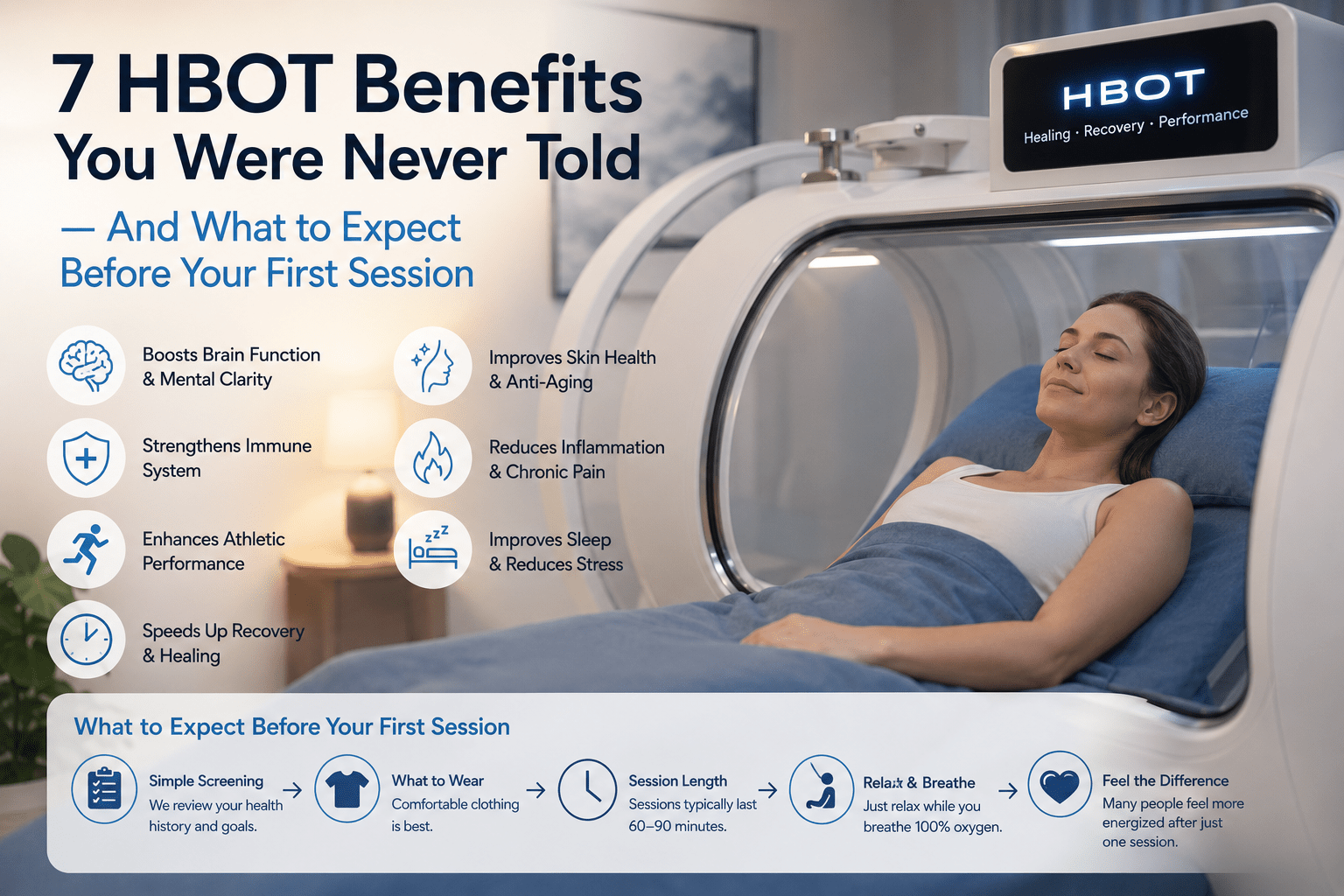
7 HBOT Benefits You Were Never Told — And What to Expect Before Your First Session
Oxygen is not just what you breathe. It is how your body repairs itself.
You have heard about it.
Maybe a friend mentioned it. Maybe you saw an athlete swear by it. Maybe you typed something into Google at midnight, looking for answers your doctor could not give you.
The recovery is slow. The fatigue is real. And the gap between where you are and where you want to be feels wider every week.
There is a reason your body heals faster when it has more oxygen — and a precise, science-backed way to deliver exactly that.
What Is HBOT and Why Is Everyone Suddenly Talking About It?
You have heard about it.
Maybe a friend mentioned it. Maybe you saw an athlete swear by it. Maybe you typed something into Google at midnight, looking for answers your doctor could not give you.
The recovery is slow. The fatigue is real. And the gap between where you are and where you want to be feels wider every week.
There is a reason your body heals faster when it has more oxygen — and a precise, science-backed way to deliver exactly that.
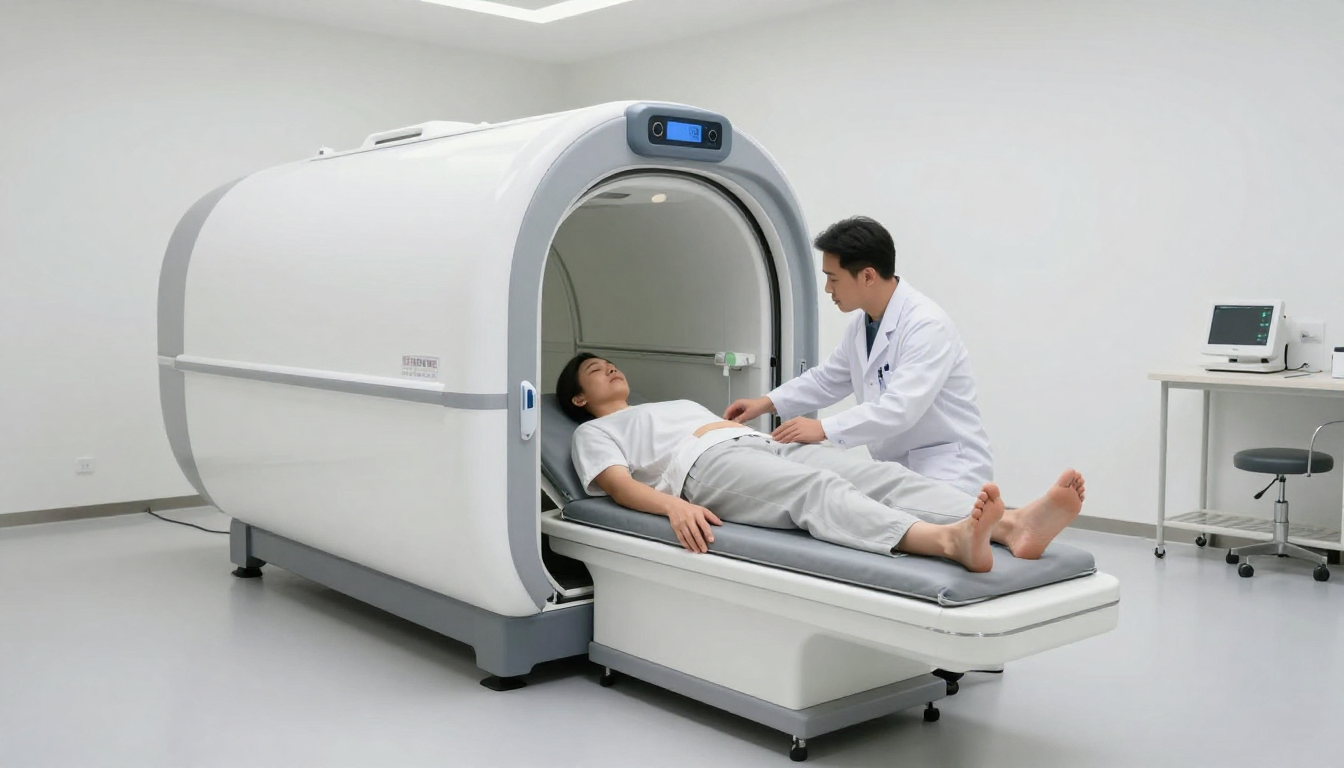
The simple science, in plain language
Normal air contains 21 percent oxygen. Inside an HBOT chamber, you breathe 100 percent pure oxygen under elevated pressure. This combination does something ordinary breathing cannot: it saturates blood plasma with oxygen at levels that are physically impossible to achieve on the surface.
At 2.0 ATA — twice normal atmospheric pressure — the amount of dissolved oxygen in your plasma increases by up to 1,200 percent. That oxygen reaches inflamed tissue, oxygen-deprived cells, and areas of the body that normal circulation barely touches.
Truth #1 — Your Blood Becomes the Delivery System
Most people assume oxygen travels through the body only via red blood cells. That is true under normal conditions.
Under hyperbaric pressure, oxygen bypasses that system entirely. It dissolves directly into blood plasma, cerebrospinal fluid, and synovial fluid — the fluid in your joints.
This matters because damaged tissue often has compromised blood supply. HBOT benefits reach those areas precisely because dissolved oxygen does not need functioning blood vessels to travel through.
Truth #2 — HBOT Benefits Go Far Beyond Wound Healing
Most people associate HBOT with wound care. That is where the strongest clinical evidence sits — but it is only part of the picture. The full range of documented and studied hyperbaric oxygen therapy benefits includes:
Truth #3 — One Session Does Almost Nothing
This is the truth nobody tells you upfront.
A single HBOT session will not produce dramatic results. The therapy works through accumulated effect — session by session, the oxygen-rich environment triggers progressively deeper biological responses.
Most protocols range from 10 to 40 sessions depending on the condition being addressed. Wellness and recovery applications typically involve 10 to 20 sessions. Clinical wound care protocols can extend further.
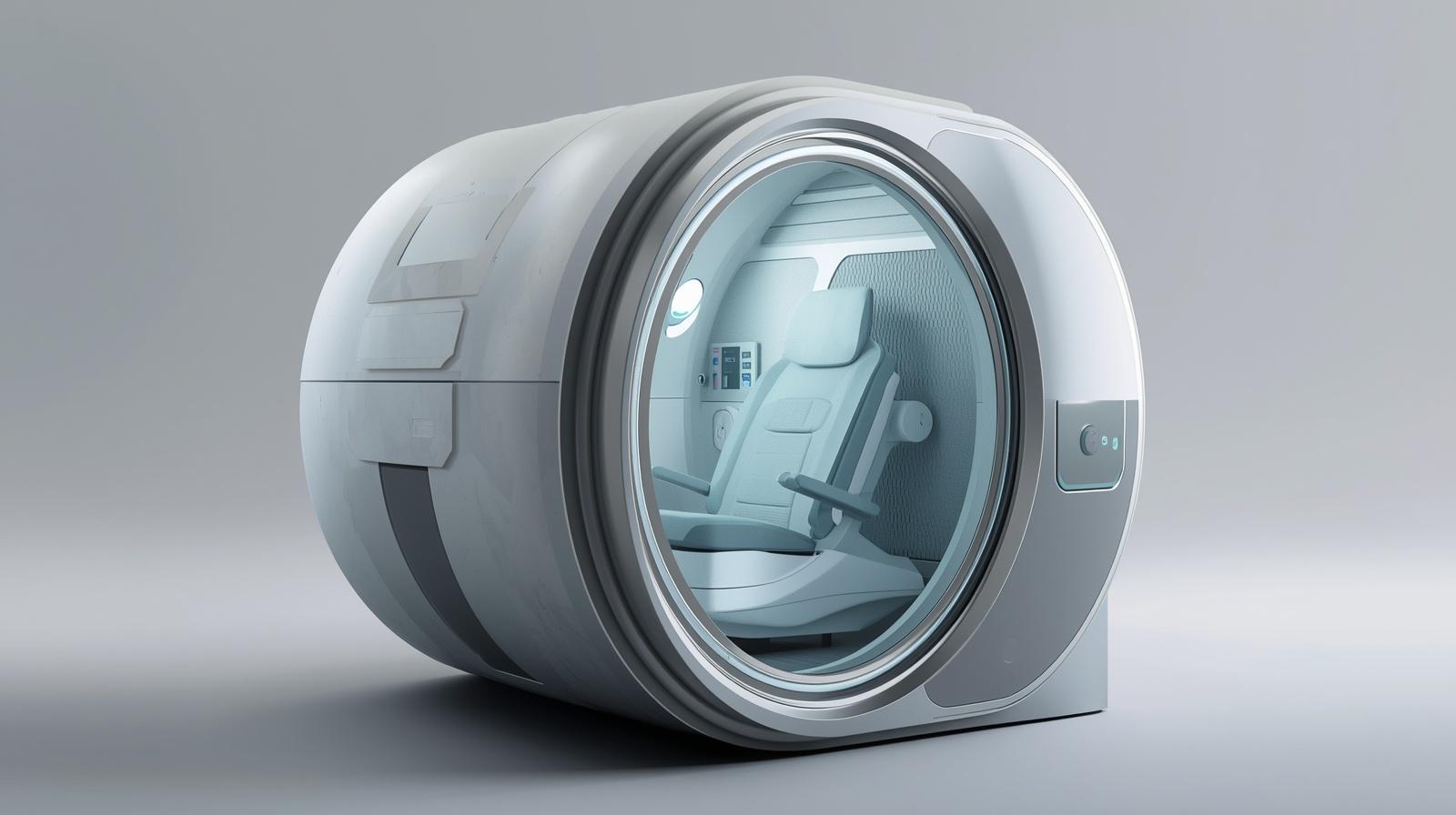
Truth #4 — The Pressure Is the Point
Not all hyperbaric chambers are equal. The pressure level determines how much oxygen dissolves into your plasma — and therefore how significant the therapeutic effect is.
Truth #5 — It Is Safer Than Most People Assume
HBOT has an established safety profile built over decades of clinical use. When administered correctly, the risks are minimal.
Understanding hyperbaric oxygen therapy benefits and risks honestly is important.
Who should not use HBOT?
HBOT is not appropriate for everyone.
• Is this a soft or hard chamber?
• Do you conduct a health assessment before the first session?
• What protocol do you recommend for my specific condition or goal?
• What does a full protocol cost — not just a single session?
A qualified HBOT provider will conduct a health assessment before your first session. If they do not — that is a signal to look elsewhere.
Truth #6 — HBOT Cost in India Is More Accessible Than You Think
One of the most common reasons people delay exploring HBOT is cost. The assumption — often based on international pricing — is that it is out of reach.
HBOT cost in India is significantly lower than what is available in the US, UK, or Australia — where a single session can cost USD 250 or more.
In India, pricing varies by city, chamber type, and clinic. Typical per-session costs range from ₹2,500 to ₹8,000 depending on these factors. Package pricing across multiple sessions often brings the effective per-session cost down further.
HBOT therapy cost in Delhi — what to expect
In Delhi NCR, HBOT therapy cost typically falls between ₹3,000 and ₹7,000 per session at established wellness centres. Hard chamber sessions at clinical-grade facilities sit at the higher end of this range.
What drives the price variation:
Truth #7 — Finding the Right Clinic Changes Everything
HBOT is only as effective as the facility delivering it. The chamber, the pressure, the staff competence, and the protocol design all determine your outcome.
Questions to ask any HBOT provider
• What pressure does your chamber operate at?
• Is this a soft or hard chamber?
• Do you conduct a health assessment before the first session?
• What protocol do you recommend for my specific condition or goal?
• What does a full protocol cost — not just a single session?
A provider who cannot answer these questions clearly — or avoids answering them — is a provider worth avoiding.
Frequently Asked Questions About HBOT
The Only Truth That Actually Matters
Your body already knows how to heal. It has always known.
HBOT does not introduce anything foreign. It does not override your biology. It gives your cells the one resource they require to do what they were built to do — oxygen, in greater quantity, reaching places it could not reach before.
The research is real. The mechanism is established. The outcomes — for the right person, with the right protocol — are documented.


Subscribe
2 Comments
Comments are closed.
[…] you want to understand what to expect from your first HBOT session — including what pressure range is appropriate for your situation — that conversation starts […]
[…] Also read: HBOT benefits — what to know before your first session […]