Hyperbaric Oxygen Therapy and Hair Growth: What the Science Shows
| IMAGE BLOCK 1 — Hero File name: hyperbaric-oxygen-therapy-hair-growth-scalp-follicle-india.jpg Alt text: hyperbaric oxygen therapy hair growth scalp follicle oxygenation India women Caption: Hyperbaric oxygen therapy and hair growth — how improved scalp oxygenation supports hair follicle health and may reduce hair loss. Compress: Under 100KB Placement: After H1, before first paragraph |
|---|
| IMAGE BLOCK 2 — Follicle Mechanism File name: hbot-hair-growth-follicle-angiogenesis-stem-cell-mechanism.jpg Alt text: hbot hair growth follicle angiogenesis stem cell oxygen delivery mechanism scalp Caption: How HBOT mobilises stem cells, stimulates angiogenesis in the scalp, and creates the oxygen-rich environment that hair follicles need to function. Compress: Under 100KB Placement: After the mechanism section H2 2 |
|---|
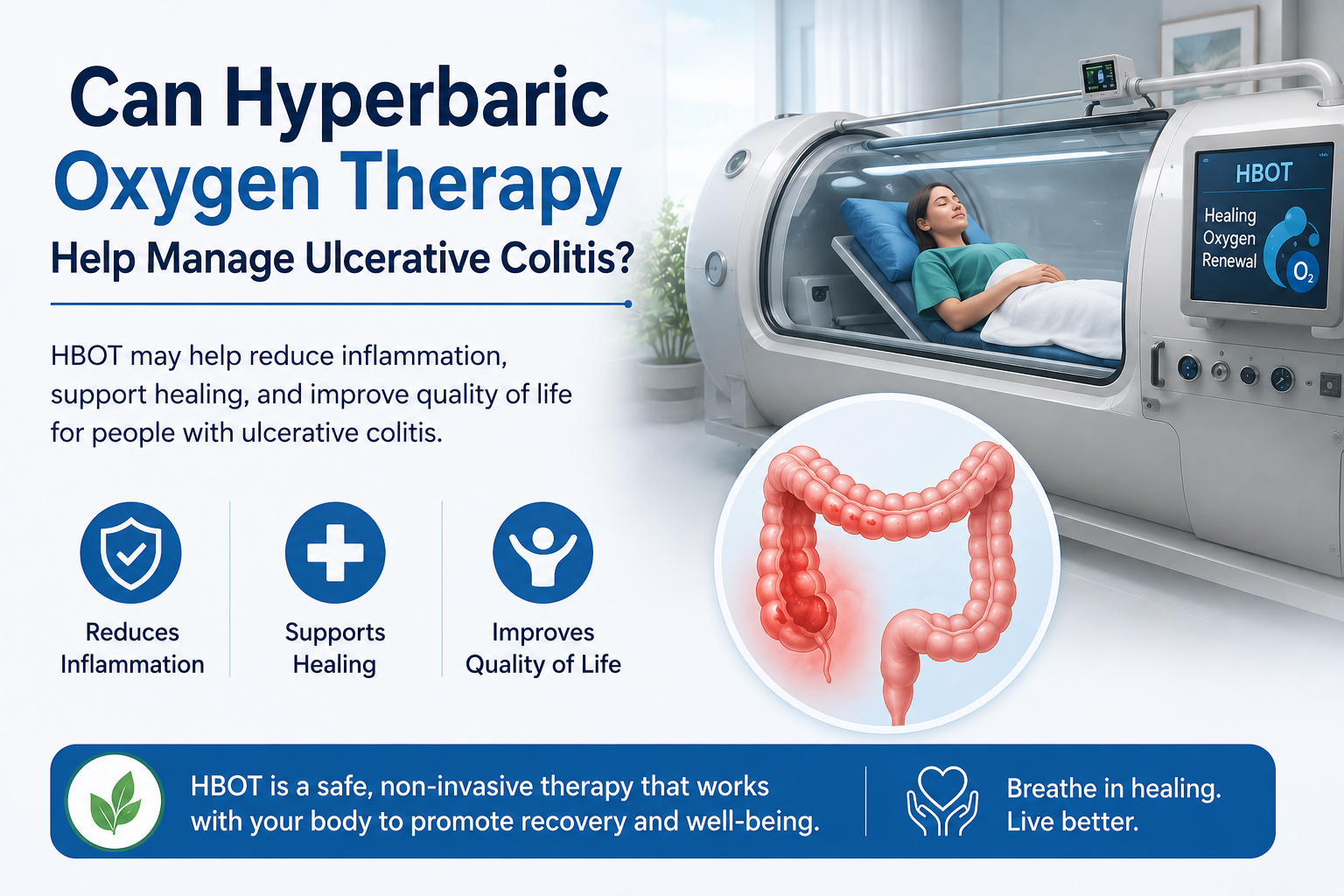
[ INSERT HERO IMAGE — hyperbaric-oxygen-therapy-hair-growth-scalp-follicle-india.jpg ]
Hair loss has many causes. But one factor that cuts across almost all of them — androgenetic alopecia, stress-related shedding, post-partum hair loss, and chronic telogen effluvium — is insufficient oxygen delivery to the scalp.
Research on hyperbaric oxygen therapy hair growth is at an early stage. Dedicated large-scale trials are not yet available. But the physiological connection between scalp oxygenation and follicle health is well-established — and HBOT's effects on the mechanisms that support hair growth are grounded in peer-reviewed science.
This article explains what those mechanisms are, what the evidence does and does not show, and what people exploring HBOT for hair health should realistically expect.
Why Scalp Oxygenation Matters for Hair Growth
Hair follicles are among the most metabolically active structures in the human body. The hair growth cycle — anagen (active growth), catagen (transition), and telogen (resting) — is driven by cellular energy production in the follicle bulb. This energy production is oxygen-dependent.
Scalp tissue in people experiencing hair loss consistently shows evidence of impaired microvascular perfusion. Reduced blood flow to the scalp means reduced oxygen delivery to follicle cells — which can tip follicles prematurely into the telogen (resting) phase and slow new hair shaft production.
Three of HBOT's documented effects are directly relevant to this:
- Angiogenesis — HBOT stimulates new blood vessel formation in hypoperfused tissue (Fosen KM, Antioxid Redox Signal, 2014). Applied to scalp tissue, this means improved capillary density and more consistent follicle oxygen supply.
- Stem cell mobilisation — Thom SR et al (Am J Physiol, 2006) demonstrated that HBOT mobilises haematopoietic stem cells from bone marrow into circulating blood. Stem cells play a role in follicle regeneration — their mobilisation is a plausible mechanism for follicle reactivation.
- Anti-inflammatory effect — Scalp inflammation — a consistent feature of androgenetic alopecia and cicatricial alopecia — inhibits normal follicle function. HBOT's anti-inflammatory effect may reduce this inhibition, creating a more permissive environment for hair growth.
What the Evidence Shows — Honest Assessment
What is established
HBOT's effects on angiogenesis, stem cell mobilisation, and inflammation reduction in tissue are all documented in peer-reviewed research. The mechanism connecting these effects to follicle health is scientifically plausible.
Oyaizu T et al (Sci Rep, 2018) demonstrated that HBOT reduces inflammation, oxygenates injured tissue, and regenerates skeletal muscle via macrophage and satellite cell activation — a regenerative mechanism that has parallels in follicle biology.
What is emerging
Several smaller clinical reports and observational studies from hair restoration medicine have documented improved hair density and reduced shedding following HBOT protocols. These reports are consistent with the mechanisms described above.
However, none of these are large randomised controlled trials. The hair growth evidence base for HBOT is currently at the same stage as many areas of aesthetic medicine — mechanistically sound, clinically promising, but not yet at the level of definitive proof.
What HBOT cannot claim
HBOT is not a treatment for androgenetic alopecia (male or female pattern baldness). It cannot reverse genetic programming of the hair follicle. It is not a substitute for proven hair loss treatments such as minoxidil, finasteride, or PRP therapy for conditions where these have strong evidence.
It is best understood as a supportive intervention that may improve the biological environment in which other treatments — or the body's own repair mechanisms — operate.
[ INSERT IMAGE — hbot-hair-growth-follicle-angiogenesis-stem-cell-mechanism.jpg ]
HBOT for Hair Growth — Who Is Most Likely to Benefit
Based on the available mechanisms and clinical reports, the people most likely to see hair-related benefit from HBOT are:
- Those with scalp hypoperfusion — People with documented reduced scalp blood flow — a feature that can be identified with Doppler ultrasound — are the most logical candidates for HBOT-assisted improvement.
- Post-procedure scalp recovery — After hair transplant surgery, HBOT can accelerate graft take and reduce inflammation in the transplanted follicle bed — a growing application in hair restoration medicine.
- Stress and telogen effluvium — Telogen effluvium — the diffuse shedding that follows physical or emotional stress — involves follicle hypoxia as a contributing factor. HBOT may support faster resolution.
- Post-partum hair loss in women — Post-partum effluvium is driven by hormonal shift and is associated with scalp inflammation and reduced follicle activity. HBOT's anti-inflammatory and oxygenating effects are plausibly relevant — though no dedicated trials exist.
What to Expect From HBOT for Hair Health in India
If you are considering HBOT as part of a hair health protocol, here is the realistic picture:
| Application | Sessions | Pressure | Realistic Expectation |
|---|---|---|---|
| Post-transplant graft recovery | 5–10 | 2.0 ATA | Better graft take, less scalp inflammation |
| Telogen effluvium / stress shedding | 10–20 | 2.0 ATA | Reduced shedding, improved follicle environment |
| General hair density improvement | 15–20 | 2.0 ATA | Gradual improvement over weeks — not immediate |
| Post-partum hair loss (women) | 10–15 | 2.0 ATA | Plausible benefit — no dedicated trial evidence yet |
Any hair-focused HBOT protocol must use a PVHO-certified hard chamber — a pressure vessel for human occupancy meeting ASME PVHO-1 standards — at 2.0 ATA. Soft portable chambers at 1.3 ATA do not produce the angiogenic and stem cell mobilisation effects documented in research.
For session cost in India see our guide at HBOT session cost in India. For PVHO certification and what to verify see PVHO chamber certification in India. For certified clinics near you see find a certified HBOT clinic near you.
HBOT for hair health is also deeply connected to its wider skin benefits. Read our companion article on HBOT for skin and collagen for the full picture. And for the broader evidence landscape see our hyperbaric oxygen therapy benefits.
Frequently Asked Questions
Can hyperbaric oxygen therapy help hair growth?
The biological mechanisms that HBOT influences — angiogenesis, stem cell mobilisation, and inflammation reduction — are all relevant to scalp follicle health. Clinical reports are positive. Dedicated large randomised trials for hair growth specifically have not yet been conducted. HBOT is best understood as a supportive intervention that may improve the follicle environment.
How many HBOT sessions are needed for hair growth?
Post-transplant protocols typically use 5–10 sessions. For telogen effluvium and general hair density improvement, 10–20 sessions is the typical range. Results build gradually — expect 6–12 weeks before visible improvement is apparent.
Is HBOT better than PRP for hair loss?
PRP (platelet-rich plasma) has stronger dedicated trial evidence for hair loss than HBOT. The two are not mutually exclusive — HBOT and PRP target different aspects of follicle health and are increasingly used together in hair restoration medicine. HBOT improves the vascular and oxygen environment; PRP delivers growth factors directly to the follicle.
Can women use HBOT for hair loss?
Yes. Women experiencing post-partum hair loss, stress-related shedding, or female pattern hair thinning may benefit from HBOT's scalp oxygenation and anti-inflammatory effects. No dedicated trial for women's hair loss with HBOT exists — clinical evidence is observational. Always discuss with a dermatologist before starting.
Is HBOT safe for hair loss treatment?
At PVHO-certified clinics, HBOT is safe. Ear discomfort from pressurisation is the most common side effect. For full safety information see our guide on is HBOT safe.