HBOT for Cerebral Palsy: What Parents Should Know About the Evidence
Many parents of a child with cerebral palsy (CP) ask whether hyperbaric oxygen therapy could help with movement, spasticity, attention or sleep. It is an understandable hope, and you deserve a straight answer. This page sets out the research honestly — including where it is genuinely uncertain — so you can decide with your child's specialist.
Tell us about your child’s situation and we’ll explain what is realistic. Free, no obligation.
📞 Call +91 98219 94283💬 WhatsApp usBook consultation →What is hyperbaric oxygen therapy?
Hyperbaric oxygen therapy (HBOT) means breathing near-100% oxygen inside a pressurised chamber, usually around 2.0 ATA. At that pressure far more oxygen dissolves into the blood plasma and reaches tissues a normal breath cannot — the basis for its use in healing and recovery. For the full picture, see our hyperbaric oxygen therapy guide and how a hyperbaric chamber works.
Understanding cerebral palsy and why families explore HBOT
Cerebral palsy is a group of lifelong conditions affecting movement and posture, caused by injury to the developing brain — often involving a period of reduced oxygen or blood flow around birth. Because the root event frequently involves oxygen deprivation, it is natural to wonder whether delivering extra oxygen could help the brain recover. That reasoning is why HBOT has been discussed in CP circles for decades, and why many parents come across dramatic testimonials online.
Can HBOT help cerebral palsy? What the research shows
HBOT has been studied in cerebral palsy for over twenty years, and the results are genuinely mixed. Some studies, and many parent reports, describe improvements in gross-motor function, spasticity, attention or sleep. However, a widely cited randomised trial found that children improved to a similar degree whether they received hyperbaric oxygen or only slightly pressurised room air. That result raised a crucial question: was any benefit due to the oxygen and pressure, or to the intensive, structured attention and routine that surround an HBOT programme?
The honest summary is this: HBOT is not a proven cure for cerebral palsy, and it is not a substitute for physiotherapy, occupational therapy, speech therapy or medical care. Some families feel it helps as an adjunct; the highest-quality evidence remains inconclusive. A trustworthy centre will tell you exactly that.
How HBOT is proposed to help
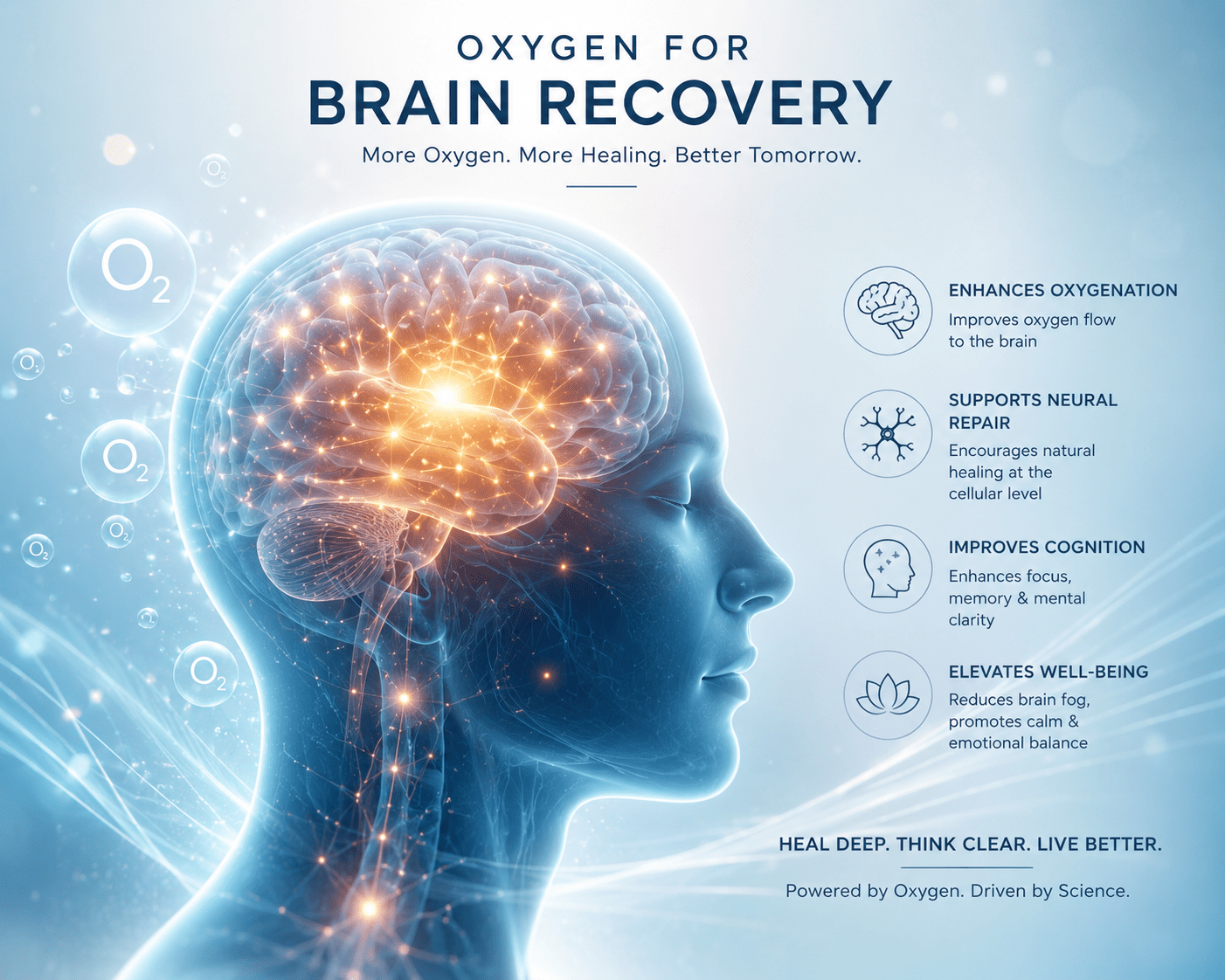
The rationale is that raising oxygen delivery may support “idling” neurons in the zone around an early brain injury, reduce ongoing neuroinflammation, and encourage neuroplasticity — the brain's ability to rewire. You can see the general principle in our overview of how HBOT works. Whether this produces meaningful, durable functional gains in cerebral palsy is precisely what the clinical evidence has struggled to confirm.
What a course typically looks like
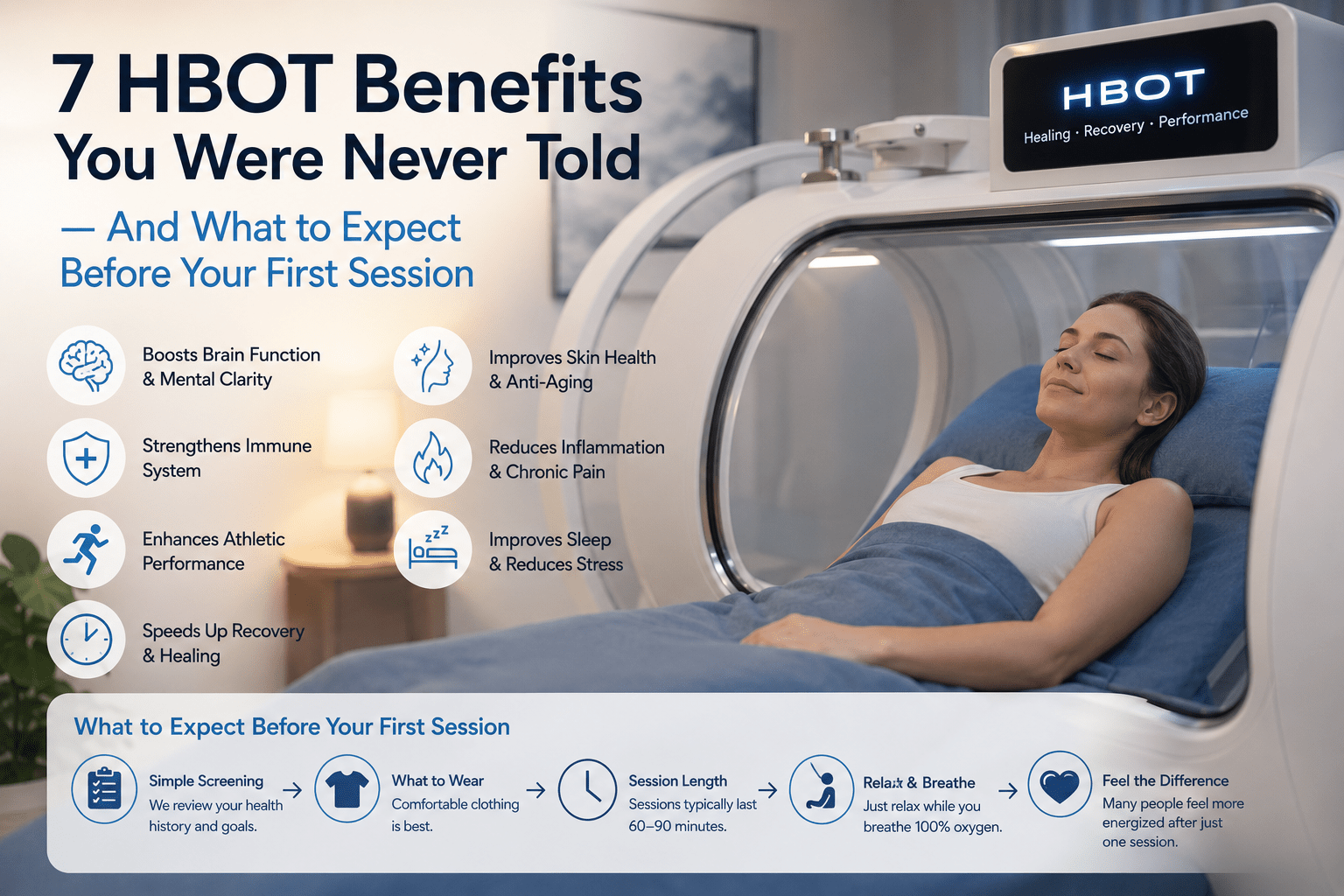
Protocols studied in CP vary widely, commonly around 40 sessions at 1.5–1.75 ATA. For children, chamber comfort, gentle pressurisation, ear equalisation and temperature control matter a great deal, so a paediatric-aware, PVHO-certified centre is essential and a parent or guardian stays present throughout.
What families should weigh before starting
Discuss it with your child's paediatric neurologist first and continue every standard therapy. Be clear about the specific goals you hope to see and set an objective review point — for example, standardised motor scores measured before and after a block of sessions — so you are not relying on impression alone. Consider the time, cost and travel involved for your family, and be cautious of any provider that promises to “cure” cerebral palsy or discourages your usual therapies.
Key takeaways
- HBOT is not a proven cure for cerebral palsy.
- The evidence is mixed — a key randomised trial found similar gains with lightly pressurised air.
- It never replaces physiotherapy, occupational therapy or medical care.
- Decide with a paediatric neurologist and track objective, measurable goals.
How HBOT fits with standard care
Wherever HBOT is used for a neurological or ENT condition, it is best thought of as a complementary, adjunctive option — something that may support recovery alongside the treatment your specialist prescribes, not a replacement for it. Continue your prescribed medicines and therapies, keep your treating doctor informed, and agree clear, measurable goals and a review point before you start. That way you can judge honestly whether HBOT is adding anything for you.
Choosing a centre safely
If you do proceed, insist on a PVHO-certified hard chamber operating at a genuine clinical pressure, with trained supervision and transparent pricing. A mild soft chamber at ~1.3 ATA is a different, gentler category. See hard chamber vs soft chamber, PVHO chamber safety and is HBOT safe. To find an option near you, use our HBOT near me hub.
Frequently asked questions
Does HBOT cure cerebral palsy?
No. HBOT is not a proven cure for cerebral palsy and should not replace physiotherapy, occupational therapy or medical care. Evidence for functional benefit is mixed.
What does research say about HBOT for CP?
Some studies report improvements in motor function or attention, but a key randomised trial found similar gains with lightly pressurised air, so high-quality evidence remains inconclusive.
Is HBOT safe for children?
In a certified chamber with trained, paediatric-aware staff it is generally safe; ear pressure is the most common effect. A parent stays present and suitability is assessed individually.
How many HBOT sessions are used in CP studies?
Studies have varied, commonly around 40 sessions at 1.5 to 1.75 ATA. Any plan should be designed with your child’s neurologist.
Should we stop physiotherapy if we try HBOT?
No. Standard therapies remain the foundation of cerebral palsy care. HBOT, if used at all, is only ever an adjunct alongside them.
How will we know if HBOT is helping our child?
Agree objective, measurable goals with your specialist and assess them before and after a block of sessions, rather than relying on impressions alone.
This page is for education and is not medical advice. HBOT is a complementary therapy for the conditions discussed here and should support — never replace — treatment prescribed by your doctor. Always consult a qualified specialist before starting.


Subscribe
One Comment
Comments are closed.
[…] Where families most often ask, though, is for conditions like autism spectrum disorder or cerebral palsy. Here the evidence is genuinely mixed and HBOT is not an approved treatment — some studies report improvements, others none. See our balanced reviews on HBOT for autism and cerebral palsy. […]