Hyperbaric Oxygen Therapy for Lyme Disease
HBOT for Lyme Disease is investigational — the evidence is early and it is not an approved treatment, so discuss it with your specialist first. HBOTLAB offers honest, medical-grade guidance — call +91 98219 94283.
This is an honest, evidence-based guide to hyperbaric oxygen therapy (HBOT) for Lyme Disease — what the condition is, how HBOT might help, what the research actually shows, and the important limits. For the full picture of the therapy itself, see our main hyperbaric oxygen therapy guide.
We give honest, doctor-led guidance on whether hyperbaric oxygen therapy is appropriate for you — and say so plainly when it isn’t. No obligation.
📞 Call +91 98219 94283💬 WhatsApp usBook free consultation →📍 Get directionsWhat is Lyme Disease?
Lyme disease is a tick-borne bacterial infection caused by Borrelia burgdorferi. Diagnosed early, it usually responds well to a course of antibiotics. A minority of patients report persistent symptoms after standard treatment — sometimes called “post-treatment Lyme disease syndrome” — a genuinely contested area of medicine. (Lyme disease is also far less common in India than in North America or Europe.)
How hyperbaric oxygen therapy works — the basics
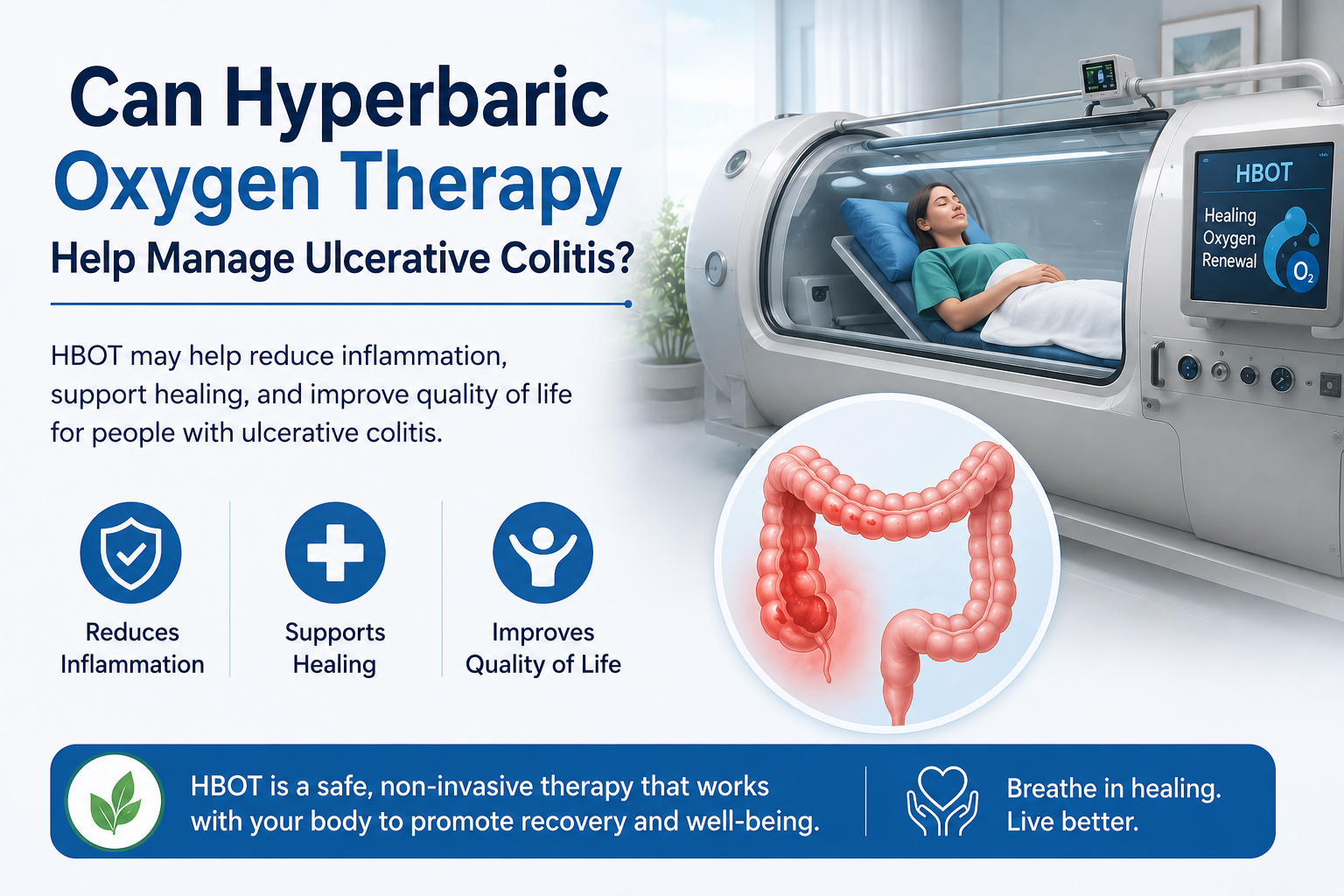
Hyperbaric oxygen therapy (HBOT) is a medical treatment in which you breathe near-100% oxygen inside a pressurised chamber, usually around 2.0 ATA. At that pressure your blood plasma carries far more dissolved oxygen than normal — enough to reach tissue that ordinary breathing cannot. Beyond simply delivering oxygen, a course of HBOT triggers the body’s own repair signalling: it can promote the growth of new blood vessels (angiogenesis), dampen unhelpful inflammation, mobilise stem/progenitor cells and support mitochondrial energy production. These are the same, well-documented mechanisms behind HBOT’s recognised uses in wound healing and radiation injury — and they are the reason researchers have explored it in the conditions below. What matters is separating that biological plausibility from proven clinical benefit, which is exactly what this page tries to do. For the equipment itself, see our hyperbaric chamber guide.
How hyperbaric oxygen therapy may help
The theoretical rationale for HBOT is twofold: Borrelia is a microaerophilic organism that grows poorly in high-oxygen environments, and HBOT has anti-inflammatory effects. This has driven interest, mainly among patients with persistent symptoms after antibiotics — but the reasoning is largely theoretical.
What the research shows
Small studies and case reports on HBOT for persistent Lyme symptoms.
A limited number of small studies and case reports have suggested symptom improvement in some patients, but the evidence base is weak and there are no robust randomised controlled trials.
You can explore the wider evidence base in our HBOT research hub.
What the evidence cannot yet claim
- The evidence is very limited and low-quality — small reports rather than controlled trials.
- The concept of “chronic Lyme” is itself scientifically contested, which complicates interpreting any treatment.
- Antibiotics are the established treatment; HBOT is not approved for Lyme disease.
What results can you realistically expect?
Because the evidence is so preliminary, no honest clinic can predict a benefit for Lyme Disease. Anyone considering HBOT here should understand it is experimental, may not help at all, and should never come at the expense of proven, specialist-led treatment. Whatever a clinic tells you, be cautious of any promise of a guaranteed cure for Lyme Disease — honest, individualised assessment matters far more than marketing, and a reputable centre will happily tell you when HBOT is unlikely to help.
HBOT and your other options for Lyme Disease
HBOT is best understood as a possible addition to standard care, not a replacement for it. The proven foundation for Lyme Disease remains the treatment your specialist prescribes; HBOT is one adjunct that some patients explore when they are looking to support recovery or have not responded fully to first-line options. It should never delay or displace effective, evidence-based treatment — the safest path is to add it, if at all, with your doctor’s knowledge and a clear plan to measure whether it is actually helping.
What a course looks like
There is no established protocol. Any use would be investigational, specialist-directed and reviewed objectively. For how sessions work in practice, see how many HBOT sessions you need.
What a course of HBOT actually involves
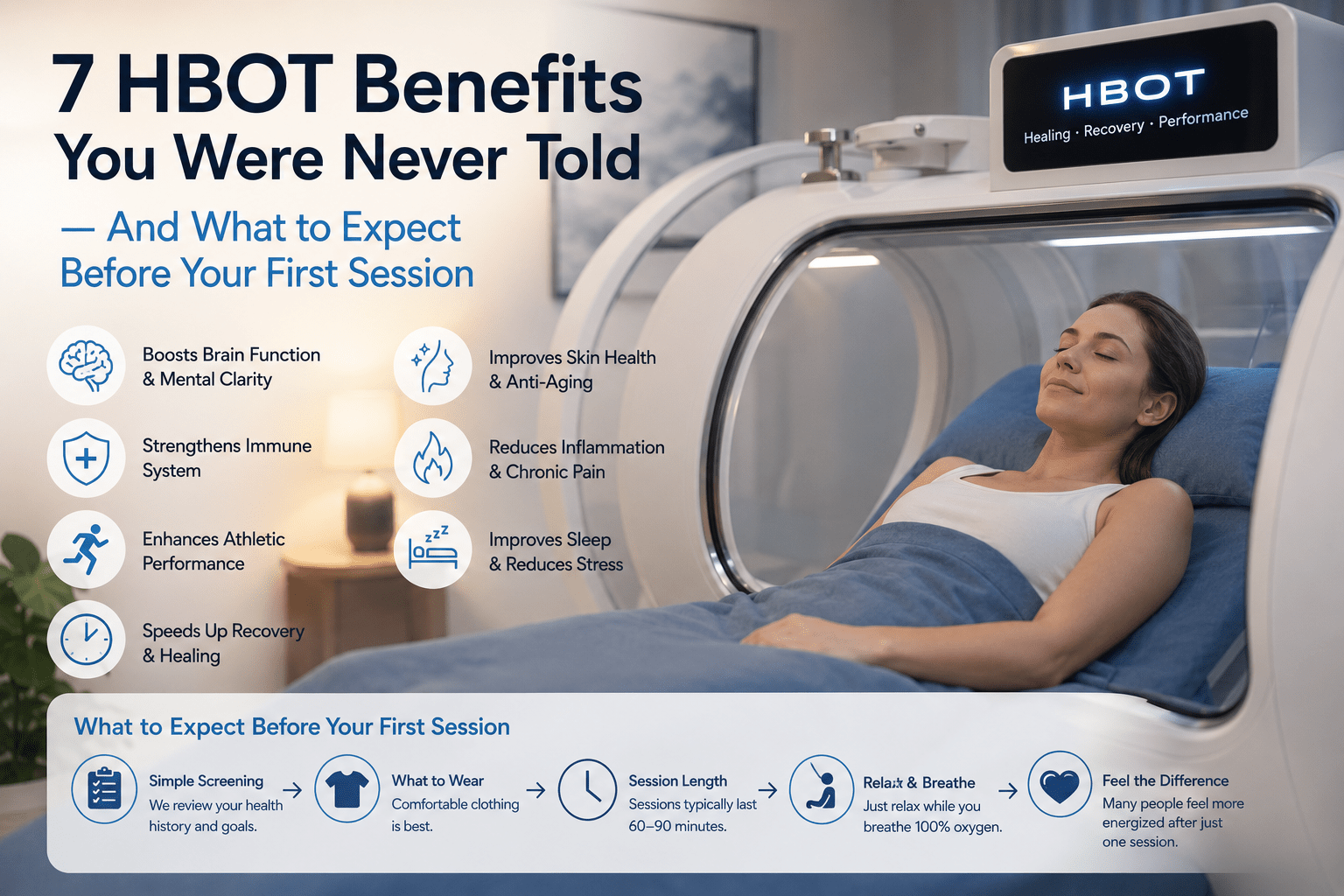
Knowing what to expect makes the decision easier. A genuine, medical-grade course of hyperbaric oxygen therapy follows a clear pattern:
- Consultation and intake first. Before any session, a trained team should review your full medical history, current medications, imaging and goals, and design a protocol around your specific situation — not sell you a fixed package sight-unseen.
- On session day you wear comfortable cotton clothing and avoid perfumes, oils and certain cosmetics. You remove electronics and anything that could spark.
- Inside the chamber you simply rest and breathe normally. It is gently pressurised over 10–15 minutes — you feel a mild fullness in the ears, like an aircraft descent, relieved by swallowing or yawning. You then breathe oxygen at target pressure (commonly around 2.0 ATA) for 60–90 minutes.
- Decompression is slow and gentle, and there is no downtime — most people return to their day straight away.
- Review points matter: a good clinic agrees a midpoint check (often around session 20) to judge whether there is genuine, documented benefit before continuing.
For more on the practicalities, see how many sessions you need and our patient safety guide.
How to decide whether HBOT is worth considering for Lyme Disease
Because HBOT for Lyme Disease is not an approved, guaranteed treatment, the decision should be careful and doctor-led. These are the questions worth working through before you commit to a course:
- What does my treating specialist think? HBOT should sit alongside, not replace, the care they provide.
- Is the likely mechanism relevant to my case? The rationale above applies to some presentations more than others.
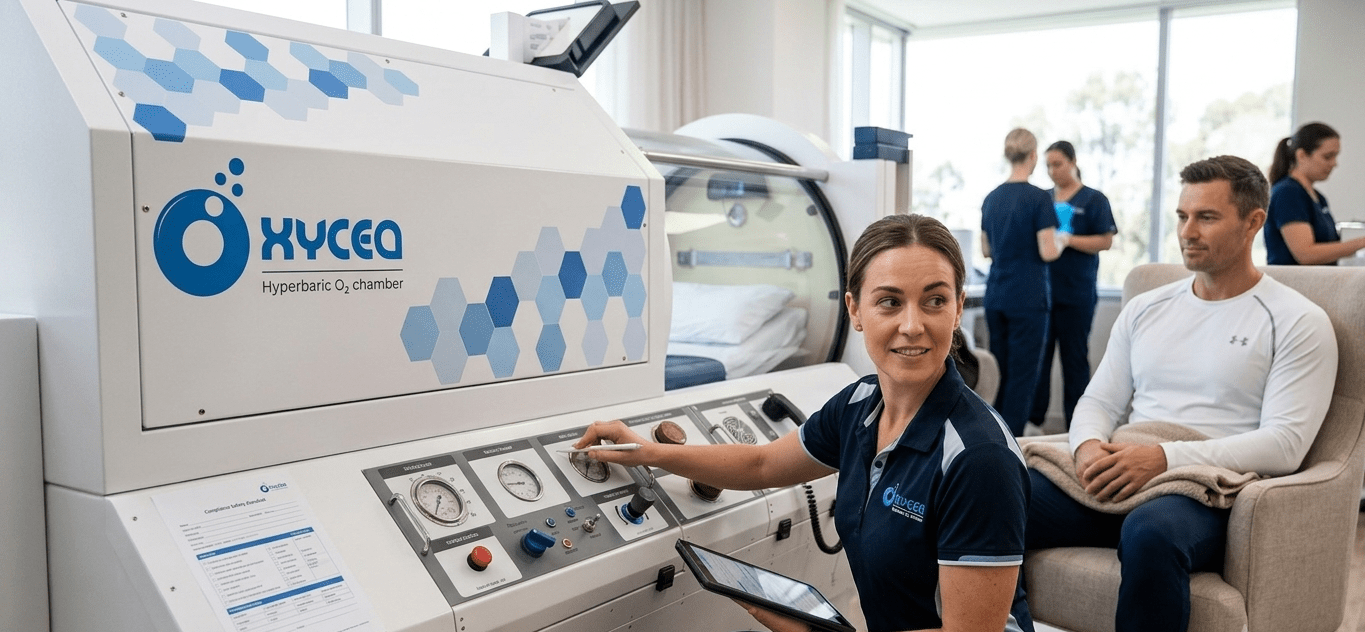
- Is the centre genuinely medical-grade? Insist on a PVHO-certified hard chamber and a proper clinical intake.
- How will we measure change? Agree on baseline measures and a midpoint review so any benefit is documented, not assumed.
- What is the realistic cost and time commitment? A meaningful course is multiple sessions over weeks.
Who should consider it — and important cautions
HBOT must never delay or replace appropriate antibiotic treatment. An infectious-disease specialist should lead care, and claims of HBOT “curing chronic Lyme” should be treated with real caution. Read who should not have HBOT and is HBOT safe.
Is HBOT for Lyme Disease available in India?
Medical-grade hyperbaric oxygen therapy is increasingly available across India’s major cities, and HBOTLAB helps patients find a suitable centre. For Lyme Disease, remember this would be adjunctive, evidence-guided support — not an approved cure — so the first step is a conversation with your doctor and an honest assessment of whether it fits your case. When you are ready, our HBOT near me hub lists city guides, and our HBOT cost in India guide explains pricing. If HBOT is not right for you, we will say so plainly.
- HBOT for Lyme Disease is investigational / early research — not an approved cure.
- The biological rationale is real, but biological plausibility is not the same as proven clinical benefit.
- Any decision should be made with your treating doctor, alongside — never instead of — standard care.
- Insist on a PVHO-certified hard chamber, a proper intake, and an agreed midpoint review.
- Be wary of guaranteed-cure claims; a reputable centre will tell you if HBOT is not right for you.
Why patients choose HBOTLAB
HBOTLAB gives honest, medical-grade guidance on hyperbaric oxygen therapy across India — PVHO-certified hard chambers, evidence-based advice rather than cure-all claims, and help finding the nearest suitable centre. If HBOT isn’t right for your situation, we’ll tell you. Find a centre near you via our HBOT near me hub.
Related reading: What HBOT is used for — the recognised indications · Is HBOT safe?
We give honest, doctor-led guidance on whether hyperbaric oxygen therapy is appropriate for you — and say so plainly when it isn’t. No obligation.
📞 Call +91 98219 94283💬 WhatsApp usBook free consultation →📍 Get directionsFrequently asked questions
Can HBOT cure Lyme disease?
No. There is no good evidence that HBOT cures Lyme disease. Antibiotics are the established treatment. HBOT has been explored only for persistent symptoms, on limited and low-quality evidence, and is not approved for this use.
Is HBOT a treatment for chronic Lyme?
The idea of “chronic Lyme” is itself medically contested. Some patients report benefit, but the evidence is weak, and HBOT should never replace assessment by an infectious-disease specialist.
Should I try HBOT for Lyme symptoms?
Only with specialist guidance, and never in place of proper diagnosis and antibiotic treatment. Be cautious of any clinic promising a Lyme “cure”.
How much does HBOT for Lyme Disease cost in India?
HBOT is priced per session or as a package, and a course for Lyme Disease usually runs multiple sessions, so the total course cost is what matters. Prices depend on the chamber standard and protocol — see our HBOT cost in India guide for current, city-wise figures, and confirm a centre uses a PVHO-certified hard chamber before comparing prices.
Where can I get HBOT for Lyme Disease in India?
Medical-grade HBOT is available across India, though PVHO-certified hard chambers vary by clinic. For Lyme Disease, HBOT would be an adjunct discussed with your treating doctor first. Contact HBOTLAB and we will guide you to the nearest suitable centre and an honest view of whether it fits your situation.
Does HBOT for Lyme Disease hurt or have side effects?
HBOT is painless. The most common sensation is mild ear-pressure during pressurisation, like an aircraft descent, eased by swallowing or yawning. Serious side effects are uncommon at a properly run PVHO-certified centre, but HBOT is not suitable for everyone, which is why a clinical intake comes first.
How soon might I notice a difference with HBOT for Lyme Disease?
HBOT works cumulatively rather than after a single session, so any change tends to build over a course. Research protocols run for weeks, and a midpoint review (often around session 20) is the sensible point to judge whether it is worth continuing.