
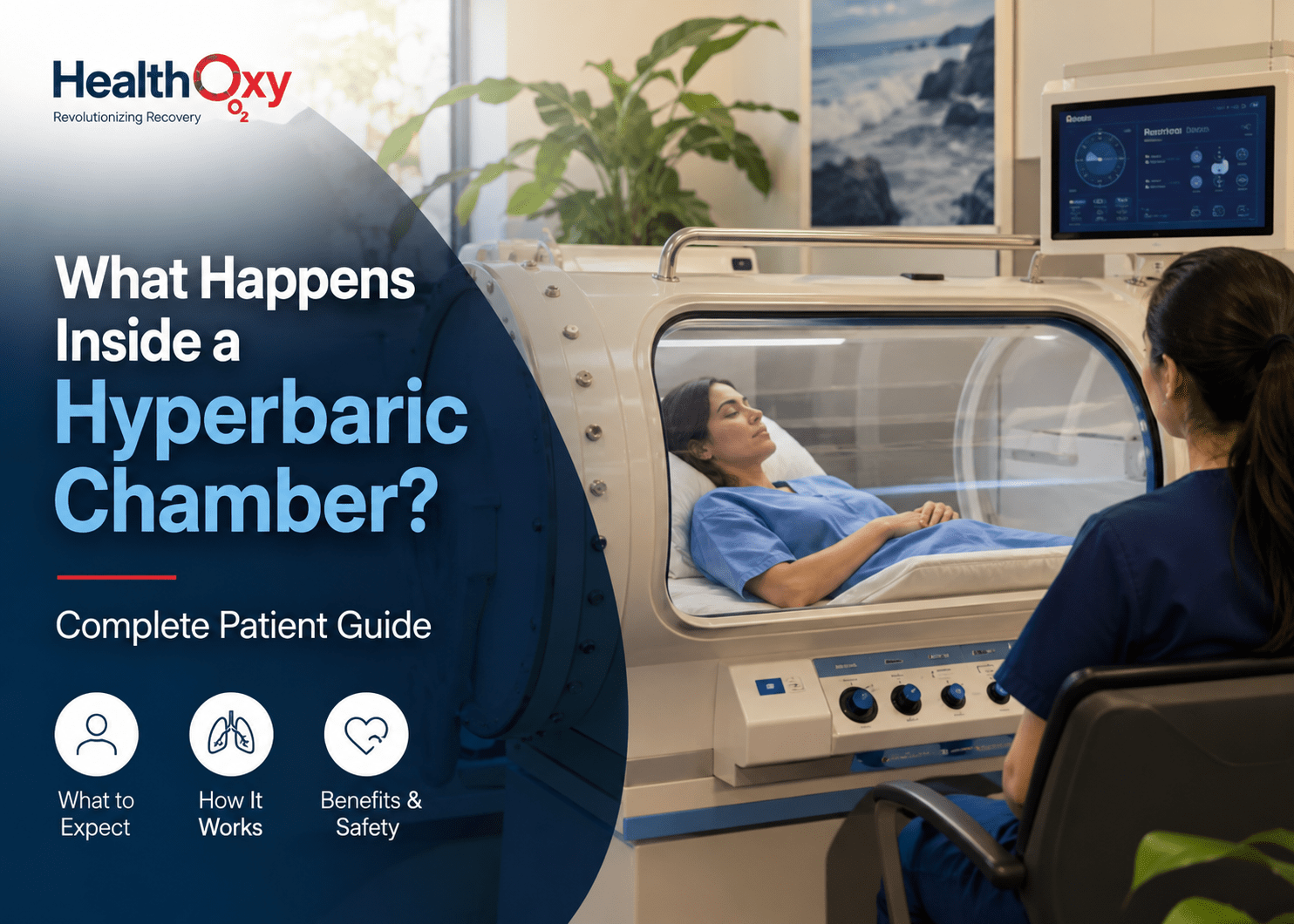
What Happens Inside a Hyperbaric Chamber? Complete Patient Guide
When people hear the term hyperbaric chamber, they often imagine a highly technical medical device filled with complex equipment. While the technology behind Hyperbaric chamber treatment is advanced, the patient experience is usually much simpler, comfortable, and more relaxing than many expect.
At HBOTLAB, one of the most common questions we hear is: “What actually happens inside a hyperbaric chamber?” Patients preparing for treatment want to know what they will feel, how long sessions last, whether the process is safe, and what results they can expect.
Knowing what happens before, during, and after treatment can help eliminate uncertainty and allow patients to approach therapy with confidence. Whether you are considering Hyperbaric chamber treatment for recovery, wound healing, neurological support, sports performance, or overall wellness, knowing the process can make the experience smoother and more comfortable.
What Is a Hyperbaric Chamber?
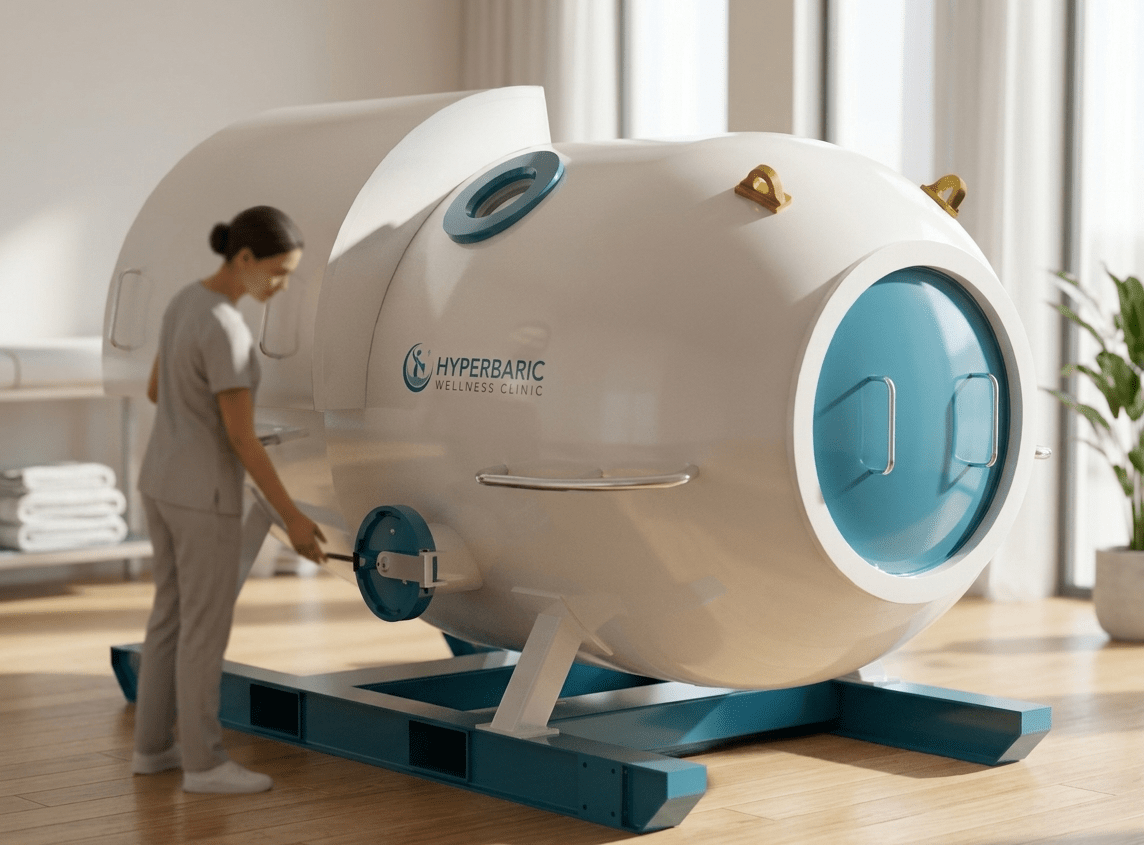
A hyperbaric chamber is a specially designed environment where patients breathe oxygen under increased atmospheric pressure. The chamber creates conditions that allow oxygen to dissolve more effectively into the bloodstream and body tissues.
Under normal circumstances, oxygen is primarily transported by red blood cells. During Hyperbaric chamber treatment, the elevated pressure allows significantly more oxygen to be delivered throughout the body. This increased oxygen availability supports natural healing mechanisms and helps tissues receive the oxygen they need for repair and recovery.
Hyperbaric chambers are carefully engineered to maintain controlled pressure levels while ensuring patient comfort and safety throughout each session.
Why Is Hyperbaric Chamber Treatment Used?
Healthcare professionals may recommend Hyperbaric chamber treatment for a variety of conditions and recovery goals. Increased oxygen delivery can support the body’s healing response in situations where oxygen availability may be limited.
Common applications include:
- Chronic wound management
- Post-surgical recovery
- Radiation injury support
- Neurological recovery programs
- Sports injury rehabilitation
- Soft tissue healing
- Wellness and recovery optimization
- Fatigue and performance enhancement programs
The specific treatment protocol depends on the patient’s condition, goals, and medical evaluation.
Before Entering the Hyperbaric Chamber
The experience begins well before the chamber door closes.
Initial Assessment
Patients typically undergo a consultation to review:
- Medical history
- Current medications
- Treatment goals
- Existing health conditions
- Previous surgeries
- Oxygen therapy suitability
This assessment ensures that Hyperbaric chamber treatment is appropriate and customized for individual needs.
Preparing for the Session
Patients are usually asked to:
- Wear approved clothing
- Remove electronic devices
- Avoid certain personal care products
- Follow facility-specific instructions
- Stay hydrated
The preparation process helps maintain safety while ensuring the best possible treatment environment.
Meeting the Treatment Team
Before treatment begins, patients receive an explanation of:
- Chamber operation
- Session duration
- Pressure changes
- Communication procedures
- Comfort techniques
This orientation helps patients feel relaxed and informed before entering the chamber.
Entering the Hyperbaric Chamber
The first impression varies depending on the type of chamber being used.
Monoplace Chambers
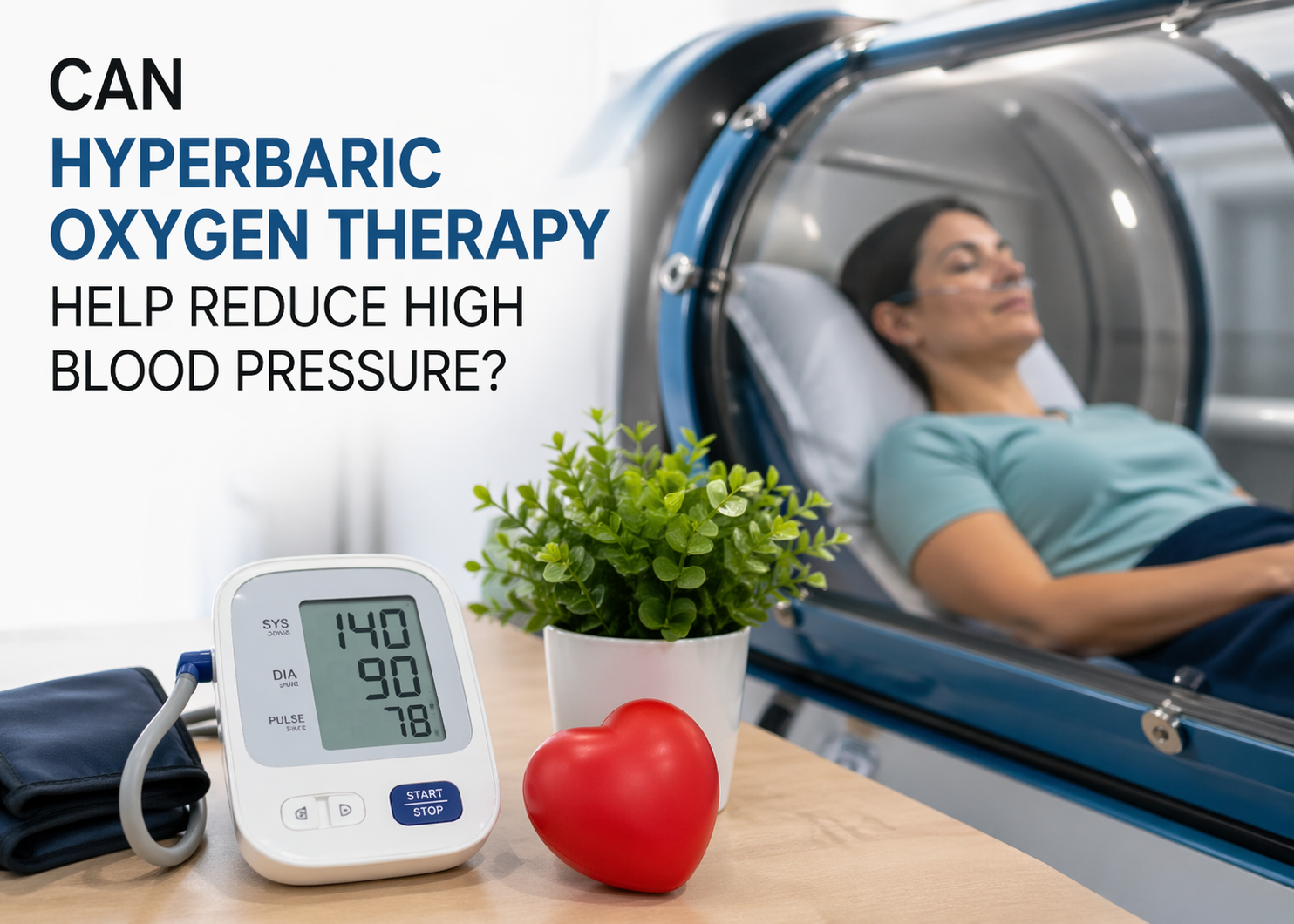
A monoplace chamber accommodates one patient at a time. These chambers are typically transparent, allowing patients to see outside throughout the session.
Many individuals appreciate the open visibility because it reduces feelings of confinement.
Multiplace Chambers
Multiplace chambers are larger and can accommodate multiple patients simultaneously. Patients sit comfortably while receiving oxygen through masks or hoods.
These chambers often feel more like a treatment room than an enclosed space.
Regardless of chamber type, trained professionals continuously monitor patients throughout the session.
What Happens When Pressurization Begins?
One of the most noticeable parts of Hyperbaric chamber treatment occurs during pressurization.
As pressure gradually increases, patients commonly experience a sensation similar to:
- Airplane takeoff
- Driving through mountains
- Elevator pressure changes
The ears may feel full or blocked due to changing pressure levels.
Ear Equalization
To maintain comfort, patients are taught techniques such as:
- Swallowing
- Yawning
- Gentle pressure equalization methods
Most patients adjust quickly and comfortably once they understand the process.
The treatment team closely monitors pressure changes to ensure patient comfort throughout the session.
Breathing Inside the Chamber
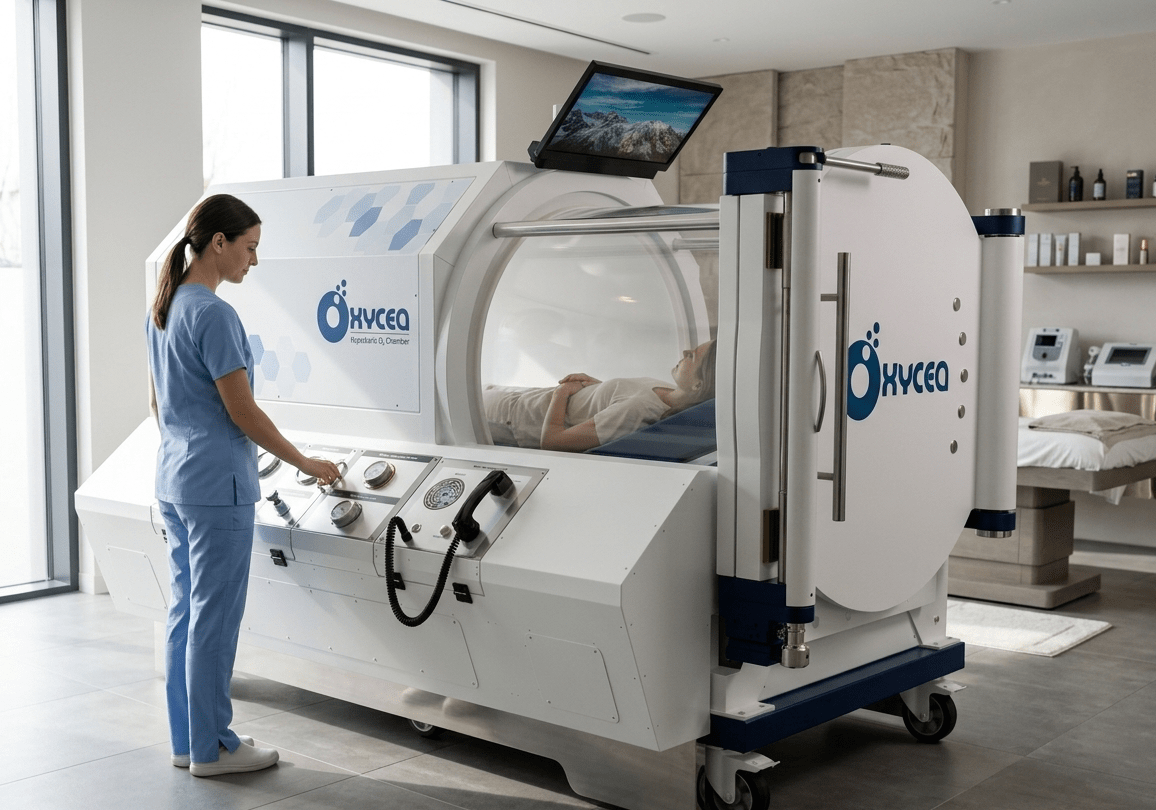 After the desired pressure level is reached, patients simply breathe normally.
This is where the therapeutic component of Hyperbaric chamber treatment begins.
The increased atmospheric pressure allows oxygen to dissolve more effectively into:
- Blood plasma
- Body fluids
- Tissue structures
- Areas with reduced oxygen supply
This enhanced oxygen delivery supports the body’s natural repair processes.
Unlike many medical procedures, patients generally do not feel dramatic physical sensations during this phase.
What Does a Patient Feel During Treatment?
Many first-time patients are surprised by how comfortable the experience feels.
Common sensations include:
Relaxation
Patients often report feeling calm and relaxed during sessions.
The quiet environment encourages rest and reduced stress.
Warmth
Some individuals notice mild warmth as circulation and oxygen delivery increase.
Mild Fatigue
A small number of patients experience temporary tiredness after treatment, particularly during the initial sessions.
Mental Clarity
Others report improved focus and mental sharpness following treatment.
Experiences vary depending on individual health conditions and treatment objectives.
Activities During Hyperbaric Chamber Treatment
Most sessions last between 60 and 120 minutes.
During that time, patients often:
- Relax quietly
- Watch entertainment content
- Listen to audio programs
- Meditate
- Rest comfortably
- Sleep
The chamber environment is designed to make treatment time productive and comfortable.
For many individuals, sessions become a welcome opportunity to disconnect from daily stress and focus on recovery.
How Oxygen Supports Healing
The science behind Hyperbaric chamber treatment centers on oxygen availability.
Every cell in the body depends on oxygen to perform essential functions.
When oxygen delivery improves, the body may experience support in areas such as:
Tissue Repair
Oxygen plays a critical role in the formation of new tissue and wound healing.
Blood Vessel Development
Enhanced oxygen levels can support healthy vascular responses.
Inflammatory Regulation
Proper oxygen availability may assist natural inflammatory balance.
Cellular Energy Production
Cells use oxygen to generate energy needed for repair and maintenance.
Recovery Support
Athletes and active individuals often seek Hyperbaric chamber treatment to support recovery after physical stress.
These biological effects explain why hyperbaric oxygen therapy continues to be explored across multiple areas of medicine and wellness.
Communication During the Session
Patients are never isolated during treatment.
Modern hyperbaric facilities maintain constant communication systems.
If a patient needs assistance, trained staff can:
- Communicate immediately
- Adjust treatment settings when necessary
- Provide guidance
- Address comfort concerns
Continuous monitoring contributes significantly to treatment safety and patient confidence.
What Happens When the Session Ends?
Once the treatment period is complete, the chamber gradually returns to normal atmospheric pressure.
This process is called depressurization.
Similar to pressurization, patients may notice temporary ear pressure changes.
The transition occurs gradually to maximize comfort.
After normal pressure is restored, patients exit the chamber and can usually resume normal activities.
After a Hyperbaric Chamber Treatment Session
Post-treatment experiences vary from person to person.
Common responses may include:
Increased Energy
Many patients report feeling refreshed and energized.
Relaxation
Others experience a calm and rested sensation.
Improved Focus
Some individuals notice temporary improvements in concentration and mental clarity.
Mild Tiredness
A small percentage of patients feel slightly fatigued after treatment, especially during early sessions.
Most effects are temporary and generally resolve quickly.
How Many Sessions Are Typically Needed?
The number of Hyperbaric chamber treatment sessions depends on several factors, including:
- Treatment goals
- Medical condition
- Severity of symptoms
- Recovery objectives
- Physician recommendations
Some individuals pursue short-term recovery programs, while others may require longer treatment schedules.
A personalized treatment plan ensures the most appropriate approach for each patient.
Is Hyperbaric Chamber Treatment Safe?
When administered by trained professionals using approved protocols, Hyperbaric chamber treatment has a strong safety record.
Safety measures include:
- Medical screening
- Continuous patient monitoring
- Pressure control systems
- Emergency procedures
- Professional supervision
Patient education is also an important part of maintaining a safe treatment environment.
Following all facility instructions helps ensure a positive experience.
Common Misconceptions About Hyperbaric Chambers
Myth: The Chamber Feels Claustrophobic
Many chambers are spacious, transparent, and designed for comfort.
Myth: Treatment Is Painful
Hyperbaric chamber treatment is generally painless. Most patients simply relax throughout the session.
Myth: Results Are Immediate
Healing and recovery responses vary. Some individuals notice changes quickly, while others experience gradual improvements over multiple sessions.
Myth: Oxygen Therapy Is Only for Serious Conditions
Hyperbaric oxygen therapy is used across a broad range of medical, recovery, and wellness applications.
Tips for First-Time Patients
If you are preparing for your first session, consider these suggestions:
- Arrive well hydrated
- Follow facility instructions carefully
- Wear approved clothing
- Inform staff about any discomfort
- Practice ear equalization techniques
- Maintain realistic expectations
- Stay relaxed during pressurization
A calm approach often leads to a more enjoyable treatment experience.
The HBOTLAB Approach
At HBOTLAB, patient comfort, education, and safety remain central to every Hyperbaric chamber treatment session.
Our goal is to create an environment where patients feel informed, supported, and confident throughout the entire process.
From initial consultation to ongoing treatment sessions, every aspect of care focuses on delivering a professional experience while helping individuals pursue their recovery and wellness goals.
Final Thoughts
Stepping inside a hyperbaric chamber is often far less intimidating than many people imagine. The process is structured, carefully monitored, and designed with patient comfort in mind.
Hyperbaric chamber treatment combines advanced oxygen therapy with controlled atmospheric pressure to support the body’s natural healing mechanisms. From the moment treatment begins until the session concludes, patients are guided by trained professionals who prioritize safety and comfort.
Whether the goal is recovery, rehabilitation, performance enhancement, or wellness support, knowing what happens inside a hyperbaric chamber can help patients approach therapy with greater confidence and peace of mind. For many individuals, the experience becomes an important part of their journey toward improved health, recovery, and overall well-being.



Subscribe
One Comment
Comments are closed.
[…] our complete guide on what happens inside a hyperbaric chamber for a full session […]