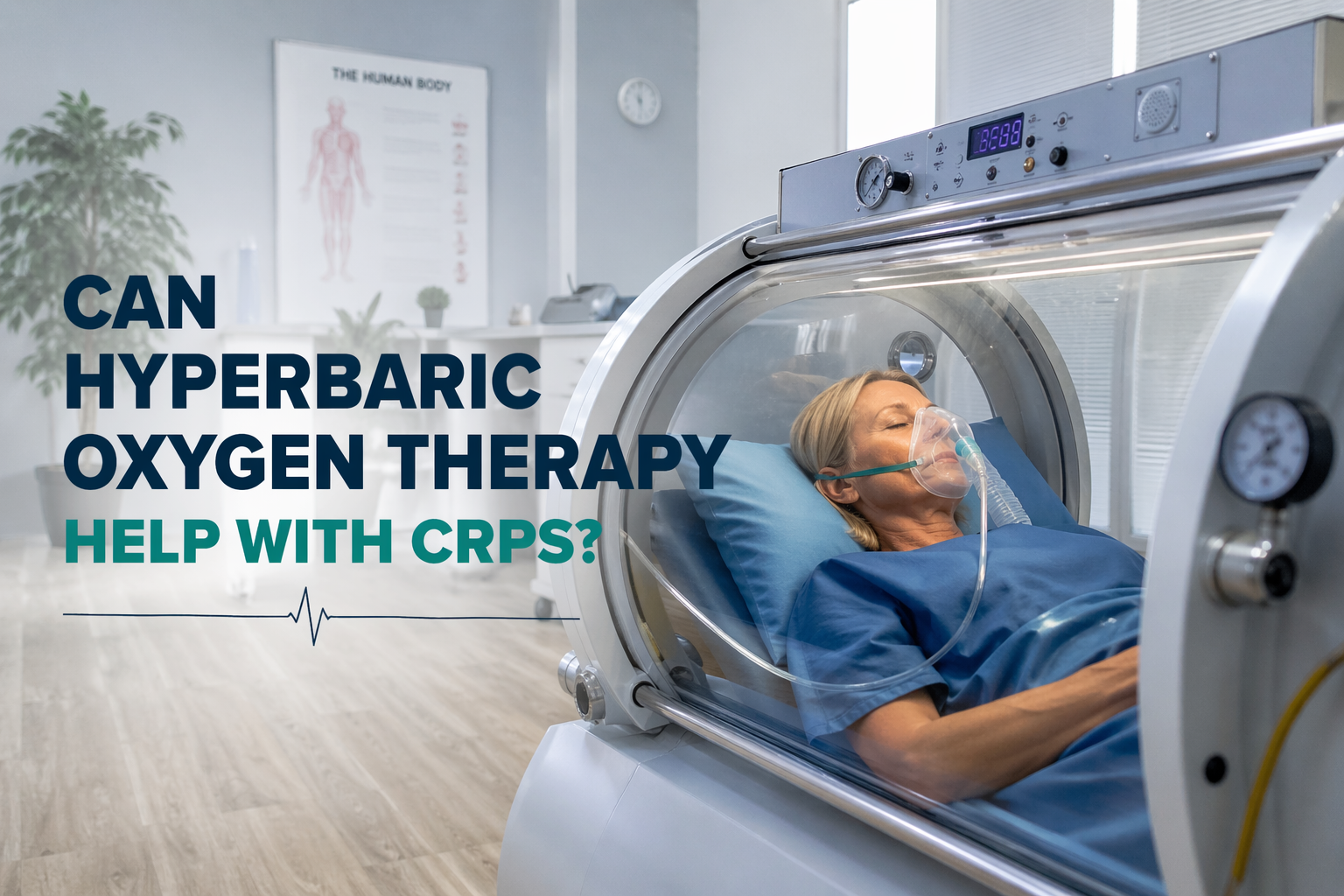
Can Hyperbaric Oxygen Therapy Help With CRPS?
Complex Regional Pain Syndrome (CRPS) remains one of the most challenging chronic pain conditions faced by clinicians and patients alike. Marked by persistent, often severe pain that typically follows an injury or surgery, CRPS can disrupt daily life, mobility, and emotional well-being. Standard treatment pathways—ranging from medications and physiotherapy to nerve blocks—often deliver inconsistent results. This has led many professionals and patients to explore alternative and adjunctive therapies, including Hyperbaric Oxygen Therapy.
At HBOTLAB, the growing interest in oxygen-based therapeutic strategies reflects a shift toward addressing the root biological processes that sustain chronic pain rather than merely suppressing symptoms. The question is not whether CRPS is complex—it undeniably is—but whether Hyperbaric Oxygen Therapy can play a meaningful role in improving outcomes.
What Is CRPS and Why Is It So Difficult to Treat?
CRPS is characterized by prolonged pain that is disproportionate to the original injury. It is often accompanied by symptoms such as:
- Burning or throbbing pain
- Swelling and sensitivity
- Skin temperature and color changes
- Reduced range of motion
- Muscle weakness or atrophy
The condition is broadly categorized into two types:
- CRPS Type I (without confirmed nerve injury)
- CRPS Type II (with nerve damage)
The underlying pathology involves a mix of inflammatory, neurological, and vascular dysfunctions. Abnormal pain signaling, microcirculation impairment, and tissue hypoxia create a cycle that sustains and amplifies discomfort. This multifactorial nature explains why single-modality treatments often fall short.
The Science Behind Hyperbaric Oxygen Therapy
Hyperbaric Oxygen Therapy involves breathing pure oxygen in a pressurized chamber. Under these conditions, oxygen dissolves more efficiently into the bloodstream, reaching tissues that are otherwise deprived due to compromised circulation.
This elevated oxygen delivery triggers several physiological responses:
- Enhanced cellular metabolism
- Reduction in inflammation
- Promotion of angiogenesis (formation of new blood vessels)
- Acceleration of tissue repair
- Modulation of immune responses
For conditions involving hypoxia and inflammation—two hallmarks of CRPS—these effects are particularly relevant.
Why Oxygen Matters in CRPS
Emerging research suggests that localized oxygen deprivation plays a critical role in CRPS progression. Impaired blood flow leads to reduced oxygen supply, which in turn affects cellular function and healing capacity.
Hypoxic tissues can:
- Release pro-inflammatory cytokines
- Sensitize nerve endings
- Delay recovery of injured structures
By improving oxygen availability, Hyperbaric Oxygen Therapy addresses one of the fundamental drivers of CRPS rather than simply masking pain signals.
Potential Benefits of Hyperbaric Oxygen Therapy for CRPS
1. Pain Reduction
One of the most notable outcomes observed in clinical settings is a reduction in pain intensity. Hyperbaric Oxygen Therapy appears to influence pain pathways by reducing inflammation and stabilizing nerve function. Patients often report gradual but noticeable relief after a series of sessions.
2. Improved Micro circulation
CRPS frequently involves vascular abnormalities, including reduced capillary flow. Oxygen therapy enhances micro circulation, ensuring that tissues receive the nutrients and oxygen required for repair.
3. Anti-Inflammatory Effects
Chronic inflammation is a key component of CRPS. Hyperbaric Oxygen Therapy has been shown to decrease inflammatory markers, which can help break the cycle of pain and swelling.
4. Nerve Function Support
Nerve hypersensitivity is central to CRPS symptoms. By promoting a healthier cellular environment, oxygen therapy may help normalize nerve signaling and reduce hypersensitivity.
5. Tissue Healing and Regeneration
Delayed healing is common in CRPS-affected areas. Enhanced oxygen levels stimulate fibroblast activity and collagen production, supporting tissue regeneration.
What Does Clinical Evidence Suggest?
Several studies have explored the impact of Hyperbaric Oxygen Therapy on CRPS, particularly in early-stage patients. Findings indicate:
- Significant reduction in pain scores
- Improved limb function
- Better quality of life indicators
While results vary depending on disease severity and treatment timing, early intervention appears to yield more favorable outcomes. That said, even individuals with long-standing CRPS have reported benefits when Hyperbaric Oxygen Therapy is integrated into a broader treatment plan.
Healthcare professionals increasingly view HBOT not as a standalone cure but as a valuable component of a multidisciplinary approach.
Who May Benefit the Most?
Hyperbaric Oxygen Therapy may be particularly beneficial for:
- Patients in the early stages of CRPS
- Individuals with poor response to conventional treatments
- Cases involving significant inflammation and swelling
- Patients seeking non-invasive adjunct therapies
At HBOTLAB, patient evaluation focuses on identifying those who are most likely to respond positively, ensuring that therapy is both targeted and effective.
What to Expect During Treatment
A typical Hyperbaric Oxygen Therapy session involves:
- Entering a specialized chamber
- Gradual increase in atmospheric pressure
- Breathing pure oxygen for a set duration (usually 60–90 minutes)
- Controlled decompression before exiting
Treatment plans often include multiple sessions over several weeks. The exact protocol depends on the severity of the condition and individual response.
Patients generally find the experience comfortable, with many using the time to relax, read, or listen to music.
Safety and Considerations
Hyperbaric Oxygen Therapy is considered safe when administered under professional supervision. However, like any medical intervention, it requires careful screening.
Potential considerations include:
- Ear pressure discomfort
- Temporary vision changes
- Rare risk of oxygen toxicity
At HBOTLAB, strict protocols and monitoring systems are in place to ensure patient safety throughout the treatment process.
Integrating Hyperbaric Oxygen Therapy Into CRPS Care
CRPS management often requires a combination of therapies, including:
- Physical rehabilitation
- Pain management strategies
- Psychological support
- Interventional procedures
Hyperbaric Oxygen Therapy fits naturally into this framework by targeting physiological imbalances that other treatments may not fully address.
Collaboration between healthcare providers is essential to maximize outcomes. When integrated effectively, HBOT can enhance the overall efficacy of a treatment plan.
Patient Perspectives and Real-World Outcomes
Beyond clinical data, patient experiences provide valuable insight into the impact of Hyperbaric Oxygen Therapy. Many individuals report:
- Gradual reduction in pain intensity
- Improved mobility and function
- Enhanced sense of well-being
While results are not uniform, the consistency of positive feedback highlights the therapy’s potential as a supportive intervention.
The HBOTLAB Approach
At HBOTLAB, the focus extends beyond delivering treatment sessions. The emphasis is on:
- Personalized care plans
- Evidence-based protocols
- Continuous monitoring and adjustment
- Patient education and support
This approach ensures that each individual receives care tailored to their specific condition and response.
Limitations and Realistic Expectations
It is important to approach Hyperbaric Oxygen Therapy with balanced expectations. While promising, it is not a guaranteed solution for all CRPS cases.
Factors influencing outcomes include:
- Duration of the condition
- Severity of symptoms
- Overall health status
- Adherence to treatment protocols
Clear communication between patients and providers helps set realistic goals and measure progress effectively.
Future Directions in CRPS Treatment
The role of oxygen-based therapies continues to evolve as research expands. Advances in understanding CRPS mechanisms are likely to refine how Hyperbaric Oxygen Therapy is applied, including:
- Optimized treatment protocols
- Combination therapies for enhanced outcomes
- Better patient selection criteria
HBOTLAB remains committed to staying at the forefront of these developments, ensuring access to the most effective therapeutic strategies.
Final Thoughts
CRPS presents a complex interplay of pain, inflammation, and impaired healing. Addressing these interconnected factors requires more than conventional approaches alone. Hyperbaric Oxygen Therapy offers a scientifically grounded method to improve oxygen delivery, reduce inflammation, and support tissue recovery.
While not a standalone cure, its role as part of a broader treatment strategy is gaining recognition among healthcare professionals. For patients navigating the challenges of CRPS, it represents a path worth exploring—one that aligns with a deeper understanding of how the body heals and adapts.
At HBOTLAB, the focus remains on delivering targeted, patient-centric care that leverages the full potential of Hyperbaric Oxygen Therapy to support recovery and improve quality of life.