
Role of Hyperbaric Oxygen Therapy (HBOT) in Mold Sickness Exposure and Management
Mold sickness is often underestimated, yet its impact can be deeply disruptive to both physical and cognitive health. Individuals exposed to toxic mold—particularly in water-damaged buildings—frequently report persistent fatigue, brain fog, respiratory distress, and immune dysregulation. These symptoms can linger long after exposure has ended, making recovery complex and frustrating.
As awareness around environmental illnesses grows, advanced recovery modalities are gaining attention. Hyperbaric Oxygen Therapy (HBOT) is one such approach that is being explored for its potential to support healing in mold-related conditions. At HBOTLAB, there is a strong emphasis on integrating science-backed therapies that address root-level dysfunction rather than only symptom management.
What Happens During Mold Exposure?
Toxic molds such as Stachybotrys and Aspergillus release mycotoxins—microscopic compounds that can trigger inflammatory responses in the body. When inhaled or absorbed, these toxins may disrupt multiple systems, including:
- Nervous system
- Immune function
- Respiratory pathways
- Detoxification processes
For some individuals, especially those genetically predisposed, the body struggles to effectively eliminate these toxins. This leads to a condition often associated with Chronic Inflammatory Response Syndrome (CIRS), where inflammation persists even after exposure stops.
Common Symptoms Linked to Mold Toxicity
Mold sickness does not present uniformly. Symptoms vary widely, often mimicking other chronic illnesses:
- Persistent fatigue and low energy
- Memory issues and reduced concentration
- Sinus congestion and breathing discomfort
- Joint pain and muscle aches
- Skin sensitivity and irritation
- Mood disturbances such as anxiety or irritability
Because of this variability, diagnosis is often delayed, leaving individuals searching for solutions that go beyond conventional treatment.
Where Hyperbaric Oxygen Therapy Fits In
Hyperbaric Oxygen Therapy involves breathing pure oxygen in a pressurized chamber. This process increases the amount of oxygen dissolved in the blood plasma, allowing oxygen to reach tissues that may otherwise be deprived due to inflammation or toxin-related damage.
At HBOTLAB Bangalore, this therapy is designed to support cellular recovery in a controlled, safe environment. The principle is simple yet powerful: when tissues receive optimal oxygen levels, the body can initiate more effective repair and detoxification.
Mechanisms That Make HBOT Relevant for Mold Sickness
1. Enhanced Oxygen Delivery
Mold toxicity can impair oxygen utilization at the cellular level. HBOT increases oxygen availability significantly, helping compromised tissues regain function. This is particularly beneficial for the brain, where many mold-related symptoms originate.
2. Reduction in Inflammation
Chronic inflammation is a hallmark of mold illness. HBOT has been shown to modulate inflammatory pathways, potentially reducing cytokine activity and calming the immune system’s overreaction.
3. Support for Detoxification
The body’s detox pathways—primarily the liver and lymphatic system—require adequate oxygen to function efficiently. By improving oxygenation, HBOT may assist in the gradual elimination of stored toxins.
4. Neurological Recovery
Brain fog, memory lapses, and cognitive fatigue are among the most reported symptoms. HBOT promotes neuroplasticity and supports the repair of damaged neural tissues, contributing to improved mental clarity.
5. Immune System Regulation
Rather than overstimulating the immune system, HBOT helps bring it back into balance. This is essential in mold sickness, where immune dysfunction often plays a central role.
Integrating HBOT into a Mold Recovery Plan
HBOT is not a standalone solution. Effective mold recovery typically involves a multi-layered approach:
- Removal from the contaminated environment
- Binding and elimination of mycotoxins
- Nutritional support and hydration
- Restoration of gut health
- Stress and sleep optimization
At HBOTLAB Bangalore, HBOT is positioned as a supportive therapy within a broader recovery framework. The goal is to accelerate healing while improving overall resilience.
What a Session Looks Like 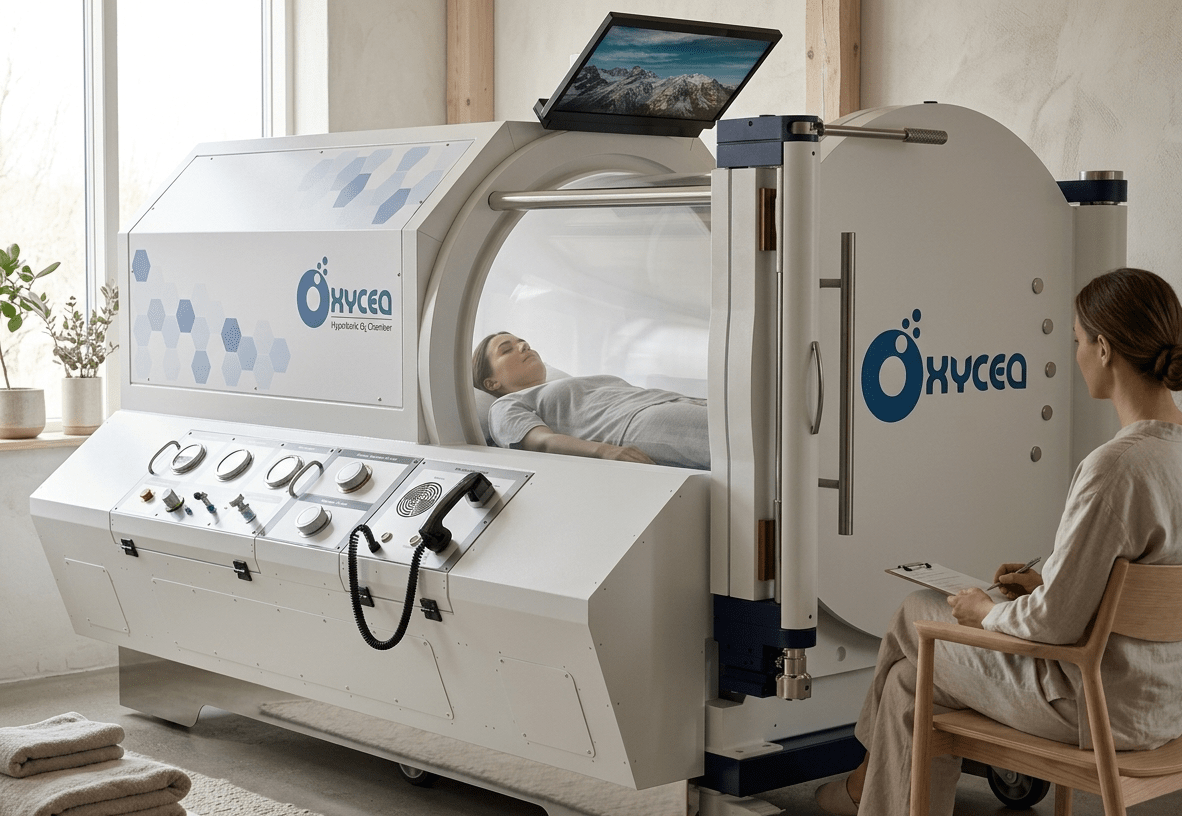
A typical HBOT session involves sitting or lying in a pressurized chamber while breathing oxygen. Sessions usually last between 60 to 90 minutes. Most individuals describe the experience as relaxing, with minimal discomfort.
Pressure changes may feel similar to those experienced during air travel, and trained professionals guide each session to ensure safety and comfort.
Safety Considerations
HBOT is generally well-tolerated when administered under professional supervision. However, certain conditions require careful evaluation:
- Untreated pneumothorax
- Severe respiratory conditions
- Certain ear or sinus issues
At HBOTLAB, protocols are designed to prioritize patient safety, with thorough assessments conducted before beginning therapy.
Evidence and Clinical Perspective
Research on HBOT in mold illness is still evolving, but its established benefits in reducing inflammation, enhancing tissue repair, and improving neurological outcomes make it a promising adjunct therapy.
Clinicians working with environmental illness often observe that patients undergoing HBOT report:
- Improved energy levels
- Better sleep quality
- Reduced cognitive symptoms
- Enhanced overall well-being
While individual responses vary, the consistency of these observations has contributed to growing interest in HBOT for toxin-related conditions.
Who May Benefit the Most?
HBOT may be particularly helpful for individuals who:
- Have prolonged exposure to mold environments
- Continue to experience symptoms after remediation
- Struggle with cognitive or neurological issues
- Show signs of chronic inflammation
- Are not responding adequately to conventional treatments
Each case requires personalized evaluation, and therapy plans should be tailored accordingly.
The HBOTLAB Approach
At HBOTLAB Bangalore, the focus extends beyond treatment sessions. The philosophy centers on restoring balance at a cellular level. By combining advanced oxygen therapy with a deeper understanding of environmental health, the approach aims to deliver meaningful, lasting improvements.
Patients are not just treated—they are guided through a recovery journey that acknowledges the complexity of mold-related illness.
Lifestyle Support Alongside HBOT
For optimal outcomes, HBOT works best when supported by healthy lifestyle practices:
- Clean, toxin-free living environments
- Anti-inflammatory nutrition
- Adequate hydration
- Regular movement and breathing exercises
- Stress management techniques
These elements create a foundation that allows HBOT to deliver more effective results.
Addressing Common Misconceptions
HBOT is only for divers or wound healing
While traditionally used for decompression sickness and wound care, its applications have expanded significantly.
Results are immediate
Some individuals notice changes quickly, but for many, progress is gradual and cumulative.
It replaces other treatments
HBOT complements other therapies rather than replacing them.
Future Outlook
Interest in environmental health is growing, and therapies like HBOT are gaining recognition for their role in addressing complex conditions. As research continues, the integration of oxygen-based therapies into mainstream recovery plans is likely to expand.
Facilities such as HBOTLAB Bangalore are at the forefront of this shift, offering solutions that align with both scientific evidence and patient-centered care.
Final Thoughts
Mold sickness is multifaceted, often requiring persistence and a well-rounded strategy for recovery. Hyperbaric Oxygen Therapy offers a promising pathway by addressing one of the body’s most fundamental needs—oxygen.
By improving cellular function, reducing inflammation, and supporting detoxification, HBOT provides a valuable layer of support for those navigating the challenges of mold exposure.
For individuals seeking advanced recovery options, HBOTLAB Bangalore represents a space where innovation meets care, and where healing is approached with both precision and empathy.