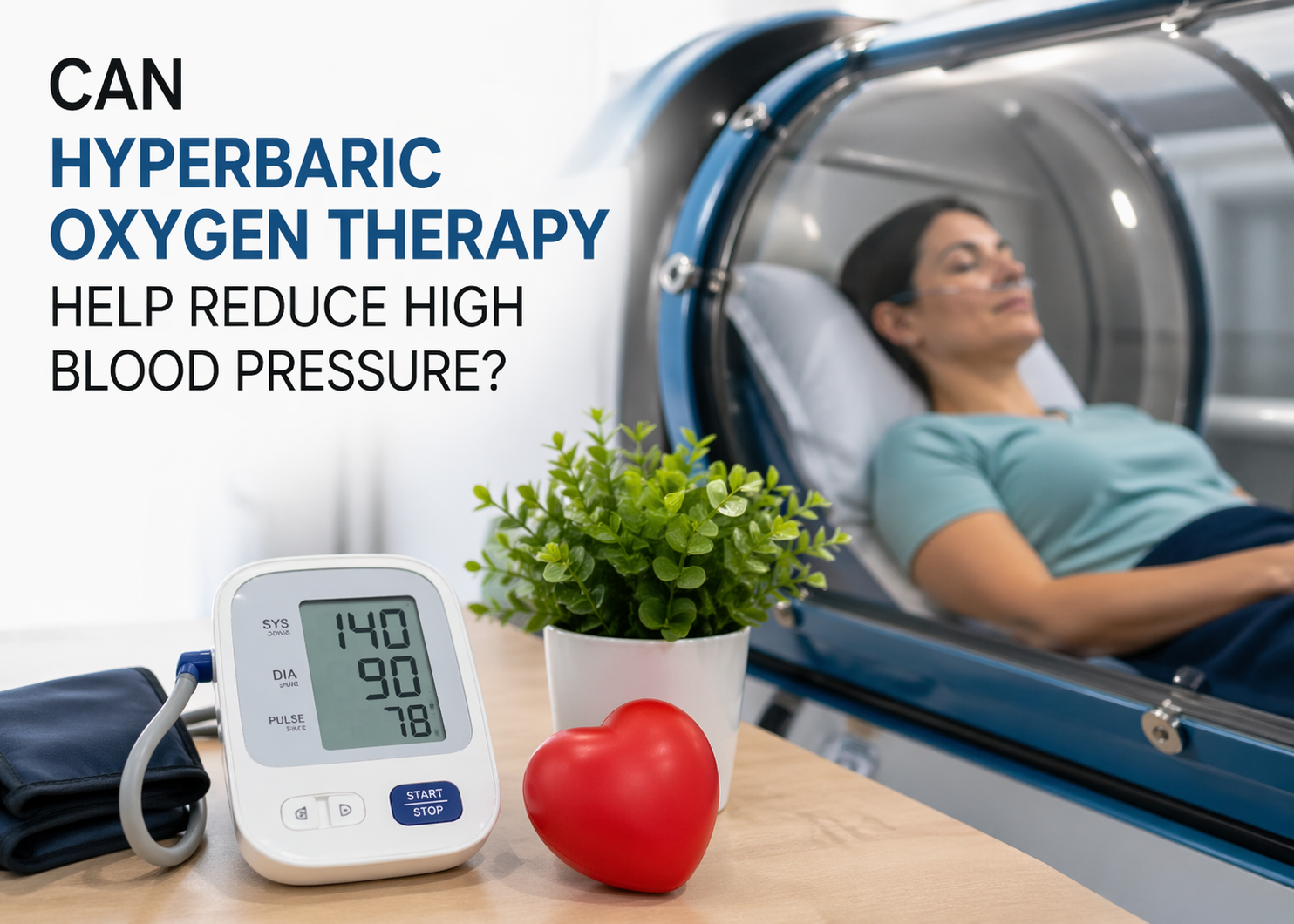
Can Hyperbaric Oxygen Therapy Help Reduce High Blood Pressure?
High blood pressure, or hypertension, remains one of the most persistent health concerns across the globe. Often silent yet deeply impactful, it gradually strains the heart, damages blood vessels, and increases the risk of stroke, kidney disease, and cardiovascular complications. While medication, lifestyle changes, and dietary adjustments remain the primary line of treatment, alternative therapies are steadily gaining attention for their supportive role. One such therapy is Hyperbaric Oxygen Therapy (HBOT).
At HBOTLAB, interest in Hyperbaric Oxygen Therapy for High Blood Pressure has grown as more individuals seek non-invasive methods to complement traditional care. The question is not whether HBOT replaces standard treatments—it does not—but whether it can contribute meaningfully to better blood pressure regulation.
What Happens in High Blood Pressure?
To understand how HBOT might help, it’s important to look at what occurs inside the body during hypertension. Blood pressure rises when the force of blood against artery walls remains consistently high. This can be due to narrowed arteries, poor vascular flexibility, inflammation, or imbalances in oxygen delivery.
Over time, these changes reduce the efficiency of blood flow. The heart works harder, blood vessels stiffen, and oxygen delivery to tissues becomes less optimal. The end result is a cycle where reduced oxygen availability and vascular dysfunction feed into each other.
The Science Behind Hyperbaric Oxygen Therapy
Hyperbaric Oxygen Therapy involves breathing pure oxygen in a pressurized chamber. This process allows oxygen to dissolve directly into the bloodstream at levels far higher than normal breathing conditions.
Under these conditions:
- Oxygen delivery to tissues increases significantly
- Blood plasma carries more oxygen independent of red blood cells
- Microcirculation improves
- Cellular repair mechanisms become more active
For individuals exploring Hyperbaric Oxygen Therapy for High Blood Pressure, these physiological effects are particularly relevant.
Oxygen and Vascular Health: A Critical Link
Blood vessels rely on oxygen not just for transporting it, but for maintaining their own health. The inner lining of blood vessels, known as the endothelium, plays a vital role in regulating blood pressure. It produces nitric oxide, a molecule that helps vessels relax and expand.
In people with hypertension, endothelial function is often impaired. Reduced nitric oxide availability leads to vessel constriction, increasing pressure within the arteries.
HBOT may support this process by:
- Enhancing oxygen availability at the cellular level
- Stimulating nitric oxide production
- Improving endothelial function
- Promoting healthier blood vessel responses
This is where Hyperbaric Oxygen Therapy for High Blood Pressure becomes particularly interesting from a clinical perspective.
Can HBOT Actually Lower Blood Pressure?
Emerging research suggests that HBOT may have a positive influence on blood pressure levels, especially when used alongside conventional treatments. While results vary depending on the individual and underlying causes of hypertension, several mechanisms explain its potential benefits.
1. Improved Blood Vessel Flexibility
Stiff arteries are a hallmark of hypertension. HBOT may improve arterial elasticity by reducing oxidative stress and supporting vascular repair. More flexible vessels allow blood to flow with less resistance, which can contribute to lower pressure levels.
2. Reduced Inflammation
Chronic inflammation plays a major role in high blood pressure. HBOT has been shown to reduce inflammatory markers, which may help in easing vascular tension and improving overall circulation.
3. Enhanced Micro circulation
Better oxygenation improves the function of small blood vessels. This enhanced micro circulation ensures tissues receive adequate oxygen, reducing the strain on larger arteries.
4. Cellular Repair and Regeneration
HBOT activates genes related to healing and regeneration. This includes the repair of damaged blood vessels, which is essential in long-term blood pressure management.
5. Stress Reduction and Nervous System Balance
Stress is a well-known contributor to hypertension. HBOT sessions often promote relaxation and may help regulate the autonomic nervous system, shifting the body toward a more balanced state.
What the Research Indicates
Clinical studies examining Hyperbaric Oxygen Therapy for High Blood Pressure are still evolving, but early findings are promising. Some trials have reported modest reductions in systolic and diastolic blood pressure following a series of HBOT sessions.
Other studies highlight improvements in vascular function, reduced arterial stiffness, and better endothelial performance. While these results do not position HBOT as a standalone treatment, they support its role as a complementary therapy.
Healthcare professionals often view HBOT as part of a broader strategy that includes medication, diet, exercise, and lifestyle adjustments.
Who May Benefit From HBOT?
Not everyone with hypertension will require or respond to HBOT in the same way. However, certain individuals may find it particularly beneficial:
- Those with resistant hypertension
- Individuals with vascular complications
- Patients recovering from cardiovascular events
- People seeking supportive therapies alongside medication
At HBOTLAB, treatment plans are tailored based on individual health profiles, ensuring that therapy aligns with overall medical care.
What to Expect During an HBOT Session
For those new to Hyperbaric Oxygen Therapy for High Blood Pressure, the process is straightforward and non-invasive.
A typical session involves:
- Entering a specialized chamber
- Breathing 100% oxygen under controlled pressure
- Relaxing for 60 to 90 minutes
Many individuals use this time to rest, read, or simply unwind. The experience is generally comfortable, with trained professionals ensuring safety throughout.
Safety and Considerations
HBOT is widely regarded as safe when administered under professional supervision. However, like any medical therapy, it requires proper evaluation.
Some considerations include:
- Not suitable for untreated pneumothorax
- Caution for individuals with certain lung conditions
- Monitoring for ear pressure sensitivity
Working with experienced providers such as HBOTLAB ensures that all safety protocols are followed and that therapy is appropriate for each individual.
Integrating HBOT Into a Blood Pressure Management Plan
While the potential of Hyperbaric Oxygen Therapy for High Blood Pressure is compelling, it should never replace prescribed treatments. Instead, it works best as part of an integrated approach.
Effective blood pressure management typically includes:
- Medication as prescribed
- Balanced nutrition with reduced sodium intake
- Regular physical activity
- Stress management techniques
- Routine health monitoring
HBOT can complement these efforts by addressing oxygen delivery and vascular health at a deeper level.
The HBOTLAB Approach
At HBOTLAB, the focus is on combining clinical expertise with personalized care. Each individual is assessed thoroughly before beginning therapy, ensuring that HBOT aligns with their medical history and health goals.
What sets HBOTLAB apart is its commitment to:
- Evidence-based treatment protocols
- Patient-centric care
- Advanced hyperbaric technology
- Ongoing monitoring and support
This approach allows individuals to explore Hyperbaric Oxygen Therapy for High Blood Pressure in a safe, structured, and effective manner.
A Realistic Perspective
It’s important to maintain realistic expectations. HBOT is not a cure for hypertension, nor does it eliminate the need for medication in most cases. Its value lies in its ability to support the body’s natural processes, improve vascular health, and potentially enhance the effectiveness of existing treatments.
Results can vary, and consistency plays a key role. Some individuals notice improvements in energy levels, circulation, and overall well-being, which can indirectly support better blood pressure control.
Final Thoughts
The connection between oxygen, vascular health, and blood pressure is undeniable. By increasing oxygen availability and supporting cellular repair, Hyperbaric Oxygen Therapy opens new possibilities in the management of hypertension.
For those exploring additional ways to support heart health, Hyperbaric Oxygen Therapy for High Blood Pressure offers a promising avenue—especially when guided by experienced professionals like HBOTLAB.
As research continues to evolve, one thing remains clear: optimizing oxygen delivery may be more important than previously recognized, and therapies that enhance this process deserve thoughtful consideration in modern healthcare.