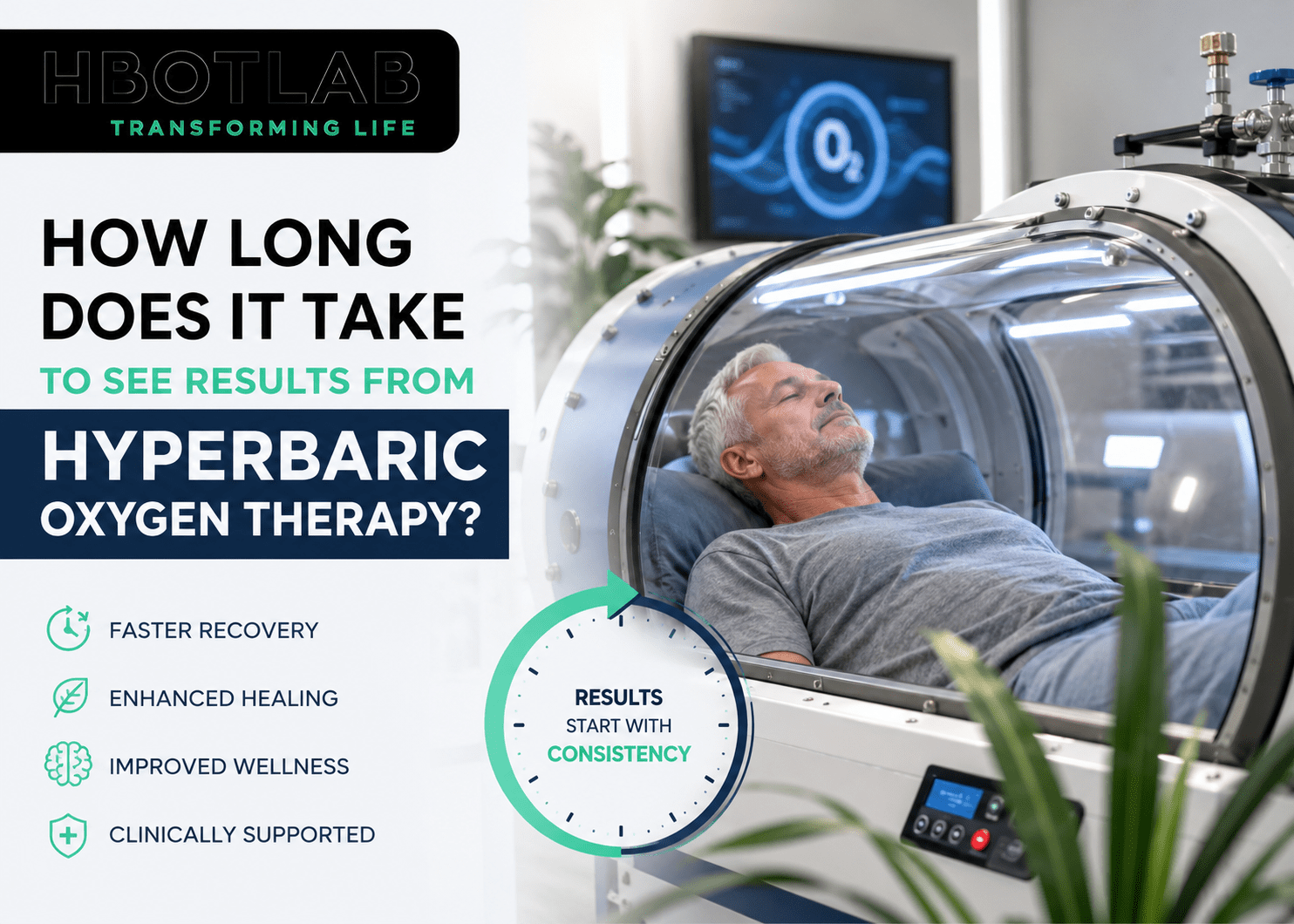
How Long Does It Take to See Results from Hyperbaric Oxygen Therapy?
Hyperbaric Oxygen Therapy has gained significant attention among medical professionals, rehabilitation specialists, athletes, and wellness enthusiasts for its potential to accelerate healing and improve recovery outcomes. Whether it is used for chronic wounds, decompression sickness, radiation injuries, or post-surgical recovery, one question consistently arises: how long does it take to see results from Hyperbaric Oxygen Therapy?
The answer is not always straightforward because recovery timelines depend on several variables, including the medical condition being treated, the severity of tissue damage, the patient’s overall health, and the consistency of treatment sessions. Some individuals notice changes after only a few sessions, while others may require weeks or even months before measurable improvements appear.
For clinics, practitioners, and patients considering Hyperbaric Oxygen Therapy, setting realistic expectations is essential. Knowing what happens during treatment and understanding how the body responds to oxygen-rich environments can help clarify why timelines vary so widely.
What Happens During Hyperbaric Oxygen Therapy?
Hyperbaric Oxygen Therapy involves breathing pure oxygen inside a pressurized chamber. Under increased atmospheric pressure, the lungs absorb significantly more oxygen than would normally be possible through regular breathing.
This oxygen-rich blood circulates throughout the body, delivering enhanced oxygen supply to tissues, organs, muscles, and damaged cells. The process may help:
- Stimulate tissue repair
- Promote new blood vessel formation
- Reduce inflammation
- Support immune response
- Accelerate wound healing
- Enhance recovery after injury or surgery
The body’s healing mechanisms respond differently depending on the underlying condition. Acute injuries often react faster than chronic illnesses because chronic conditions typically involve long-standing inflammation or reduced circulation.
Why Treatment Timelines Differ
One of the biggest misconceptions surrounding Hyperbaric Oxygen Therapy is the belief that it produces immediate results for every patient. While rapid improvements can happen, especially with acute injuries, many conditions require cumulative exposure to oxygen over multiple sessions.
Several factors influence how quickly outcomes become noticeable.
1. Severity of the Condition
A mild sports injury may improve within a handful of treatments, whereas diabetic ulcers or radiation tissue damage may require dozens of sessions before meaningful progress occurs.
Chronic conditions generally involve deeper cellular dysfunction, reduced circulation, or tissue necrosis, making recovery slower.
2. Age and Overall Health
Younger individuals with healthy circulation and strong immune systems may respond more rapidly to Hyperbaric Oxygen Therapy. Patients with diabetes, vascular disease, autoimmune conditions, or compromised immunity may experience slower healing.
3. Frequency of Sessions
Most treatment protocols involve multiple sessions each week. Consistency is critical because oxygen saturation and tissue repair accumulate over time. Missing appointments or spacing treatments too far apart can slow results.
4. Lifestyle Habits
Smoking, poor nutrition, dehydration, excessive alcohol intake, and lack of sleep can negatively affect healing speed. Oxygen therapy works best when paired with healthy recovery practices.
5. Type of Medical Issue
Different medical applications respond at different rates. For example:
- Carbon monoxide poisoning may improve within hours
- Post-surgical swelling may reduce after several sessions
- Chronic wounds may take 20–40 treatments
- Neurological recovery may require extended therapy plans
Conditions That May Show Faster Results
Certain conditions tend to respond quickly to Hyperbaric Oxygen Therapy because oxygen delivery addresses the problem directly and immediately.
1. Acute Injuries
Athletes and rehabilitation professionals often use Hyperbaric Oxygen Therapy for muscle strains, ligament injuries, and post-operative swelling. Improved oxygen supply may reduce inflammation and support faster tissue repair.
Some individuals report reduced pain and swelling within 3–5 sessions.
2. Carbon Monoxide Poisoning
This is one of the most immediate applications of Hyperbaric Oxygen Therapy. The increased oxygen environment helps displace carbon monoxide from the bloodstream rapidly. Improvements may occur after just one or two treatments.
3. Decompression Sickness
Divers suffering from decompression sickness often experience rapid symptom relief because the pressurized chamber helps reduce gas bubbles in the bloodstream and tissues.
4. Sudden Hearing Loss
In some cases, patients treated early with Hyperbaric Oxygen Therapy for sudden sensorineural hearing loss may notice improvements after several treatments.
Conditions That Require Longer Treatment Plans
Certain chronic or severe conditions demand patience and consistency before measurable changes appear.
1. Diabetic Foot Ulcers
Poor circulation and impaired healing make diabetic wounds especially difficult to treat. Hyperbaric Oxygen Therapy may stimulate tissue regeneration and improve oxygen delivery to damaged areas, but progress is often gradual.
Patients commonly undergo 20–40 sessions before substantial wound closure occurs.
2. Radiation Tissue Damage
Cancer treatments involving radiation can compromise blood vessels and healthy tissue. Hyperbaric Oxygen Therapy may help regenerate blood supply and reduce long-term tissue injury.
These cases frequently require several weeks of therapy before improvements become visible.
3. Neurological Recovery
Stroke rehabilitation, traumatic brain injuries, and neurological conditions may involve prolonged treatment schedules. Oxygen support may encourage neuro plasticity and tissue repair, but neurological healing tends to occur slowly.
Some patients report cognitive or energy improvements within weeks, while others require months.
4. Chronic Fatigue and Inflammatory Conditions
Individuals using Hyperbaric Oxygen Therapy for fatigue-related conditions or chronic inflammation may notice gradual improvements in stamina, mental clarity, and recovery over time rather than dramatic immediate changes.
What Patients Commonly Feel After Early Sessions
One reason patients become uncertain about Hyperbaric Oxygen Therapy is that early experiences can vary considerably. Not everyone feels dramatic changes immediately.
Common early responses include:
- Increased energy
- Better sleep quality
- Reduced swelling
- Mild fatigue after treatment
- Temporary detox-like symptoms
- Improved mental clarity
- Reduced discomfort in injured areas
For some people, subtle internal healing begins before visible changes occur externally. Wounds may look similar initially even though oxygen-driven cellular repair is already taking place beneath the surface.
Typical Hyperbaric Oxygen Therapy Timeline
Although every treatment plan is unique, there are general timelines many providers observe.
1. After 1–5 Sessions
Patients may notice:
- Reduced inflammation
- Improved circulation
- Increased energy levels
- Better sleep
- Decreased pain in acute injuries
Acute conditions often respond during this stage.
2. After 10–20 Sessions
This period is where more visible progress often develops.
Patients may experience:
- Noticeable wound healing
- Reduced swelling
- Improved mobility
- Better recovery after surgery
- Enhanced cognitive clarity
For chronic conditions, this stage may represent the beginning of measurable improvement.
3. After 20–40 Sessions
Long-term repair becomes more evident.
Potential outcomes include:
- Tissue regeneration
- Improved skin integrity
- Reduced chronic pain
- Enhanced neurological function
- Better circulation in damaged areas
Severe or chronic conditions often require reaching this range before significant benefits become clear.
The Science Behind Gradual Improvement
Hyperbaric Oxygen Therapy does not simply mask symptoms. It works at the cellular level by enhancing oxygen availability in tissues where circulation may be compromised.
Oxygen plays a critical role in:
- Collagen production
- Angiogenesis (new blood vessel formation)
- Infection control
- Stem cell activation
- Cellular metabolism
- Inflammatory regulation
These biological processes take time. The body does not rebuild tissue overnight, particularly when damage has existed for months or years.
Repeated exposure to oxygen-rich environments helps sustain these healing responses, which explains why treatment consistency is so important.
Can Results Be Permanent?
Another common question is whether Hyperbaric Oxygen Therapy delivers lasting improvements.
For acute injuries or temporary conditions, results may be long-lasting once healing is complete. In chronic illnesses, ongoing maintenance treatments may sometimes be recommended depending on the condition and patient response.
For example:
- A healed surgical wound may not require further therapy
- Chronic inflammatory conditions may benefit from occasional maintenance sessions
- Neurological rehabilitation may involve periodic follow-up treatments
Long-term outcomes depend heavily on addressing underlying health factors such as nutrition, circulation, lifestyle habits, and disease management.
How Professionals Evaluate Progress
Clinics and medical providers typically assess Hyperbaric Oxygen Therapy progress using both subjective and objective measurements.
1. Physical Observations
Providers may track:
- Wound size reduction
- Tissue color changes
- Swelling reduction
- Improved mobility
- Pain level changes
2. Imaging and Testing
In certain cases, diagnostic tools may be used to evaluate:
- Blood flow improvement
- Tissue oxygenation
- Neurological activity
- Infection control
3. Patient Feedback
Patient-reported improvements are equally important. Increased stamina, better concentration, reduced pain, and improved daily functioning often indicate positive response.
What Slows Down Results?
Not every patient responds at the same pace, and some factors can delay progress.
1. Smoking
Nicotine constricts blood vessels and limits oxygen delivery, directly interfering with the therapy’s effectiveness.
2. Poor Blood Sugar Control
In diabetic patients, uncontrolled glucose levels can impair tissue repair and slow wound healing.
3. Inconsistent Attendance
Skipping sessions reduces cumulative oxygen exposure, potentially delaying recovery.
4. Severe Tissue Damage
Extensive injuries or long-standing chronic conditions naturally take more time to repair.
5. Nutritional Deficiencies
Healing requires vitamins, minerals, protein, and hydration. Poor nutrition can limit the body’s ability to rebuild tissue.
Hyperbaric Oxygen Therapy for Athletes
Sports recovery has become one of the most discussed applications of Hyperbaric Oxygen Therapy. Professional athletes and fitness enthusiasts often use it to support recovery from intense training and injuries.
Athletes may notice:
- Faster muscle recovery
- Reduced soreness
- Improved endurance recovery
- Quicker return after injuries
Since athletic injuries often involve otherwise healthy individuals, response times can be relatively quick compared to chronic disease cases.
Some athletes report noticeable recovery improvements within a week of consistent sessions.
Emotional Expectations During Treatment
Recovery journeys can become emotionally challenging when results appear slower than expected. Providers who educate patients about realistic timelines often see better treatment adherence and satisfaction.
Patients should understand that:
- Healing is often gradual
- Internal repair may begin before visible changes appear
- Some conditions require extensive treatment plans
- Results may plateau temporarily before improving again
Clear communication between providers and patients helps maintain realistic expectations throughout the therapy process.
Is Hyperbaric Oxygen Therapy Worth the Time Commitment?
Because treatment plans can involve dozens of sessions, many people question whether the investment of time is worthwhile.
For patients struggling with chronic wounds, post-radiation injuries, non-healing surgical sites, or difficult recovery conditions, Hyperbaric Oxygen Therapy may provide options when conventional treatments alone have not produced desired outcomes.
The key lies in proper patient selection, evidence-based treatment planning, and consistency.
Many healthcare professionals view Hyperbaric Oxygen Therapy as a supportive treatment rather than a standalone cure. When integrated into broader medical care plans, it may enhance healing potential and recovery efficiency.
Signs That Therapy Is Working
Even before major improvements occur, certain indicators suggest positive progress.
These include:
- Reduced inflammation
- Better circulation
- Improved sleep patterns
- Enhanced energy levels
- Gradual wound closure
- Decreased reliance on pain medication
- Improved mobility or flexibility
Patients sometimes overlook these smaller improvements while waiting for dramatic changes. Tracking progress weekly rather than daily often provides a clearer picture of recovery.
Choosing the Right Treatment Provider
Results from Hyperbaric Oxygen Therapy depend significantly on treatment quality and provider expertise.
Patients should look for facilities that offer:
- Certified medical supervision
- Proper chamber protocols
- Individualized treatment plans
- Thorough health evaluations
- Clear progress monitoring
Professionals experienced in wound care, rehabilitation, sports medicine, or integrative therapy can better determine realistic timelines and treatment expectations.
Final Thoughts
The timeline for seeing results from Hyperbaric Oxygen Therapy varies widely depending on the condition, treatment consistency, and overall patient health. Some individuals experience noticeable improvements after only a few sessions, while others require extended treatment plans before meaningful healing occurs.
Acute injuries and emergency conditions often respond quickly, whereas chronic wounds, radiation injuries, and neurological recovery may demand patience and ongoing therapy. The body’s healing systems operate gradually, especially when tissue damage is severe or longstanding.
Hyperbaric Oxygen Therapy continues to attract interest across medical, rehabilitation, and wellness industries because of its ability to support oxygen-driven healing processes at the cellular level. When expectations are realistic and treatments are properly managed, many patients find the therapy to be a valuable component of long-term recovery and regenerative care.