

HBOT crush injury compartment syndrome : The Hours After the Accident That Determine Whether You Keep the Limb
Acute traumatic ischaemia is a recognised FDA indication for HBOT. The therapy targets the oxygen-starved tissue that surgery cannot reach — and every hour of delay reduces what can be saved.

HBOT crush injury compartment syndrome treatment — hyperbaric oxygen limb salvage
The accident happened fast. The surgery took hours. And now the waiting begins.
After a serious crush injury, the visible damage is only part of what is happening. The bone may be set. The wound may be closed. But inside the muscle compartments of the injured limb, a different crisis is unfolding — one that surgical technique alone cannot fully address.
Tissue that was deprived of oxygen during the injury is fighting to survive. The circulation that was disrupted is either restored or it is not. And in the hours following the acute event, the biological fate of tissue at the wound margin — alive now, but vulnerable — is being decided.
HBOT exists precisely for this window. Not as a replacement for surgery. Not as a last resort after everything else has failed. As an adjunct that addresses the oxygen-starvation mechanism that surgery cannot reach — delivering what ischaemic tissue needs to survive, in the hours when survival is still possible.
Here is the biology, the evidence, and what this means practically. For a complete overview of how HBOT delivers oxygen under pressure, visit How HBOT Works.
What Happens Inside the Body After a Crush Injury
The Immediate Mechanism — Tissue Compression and Ischaemia
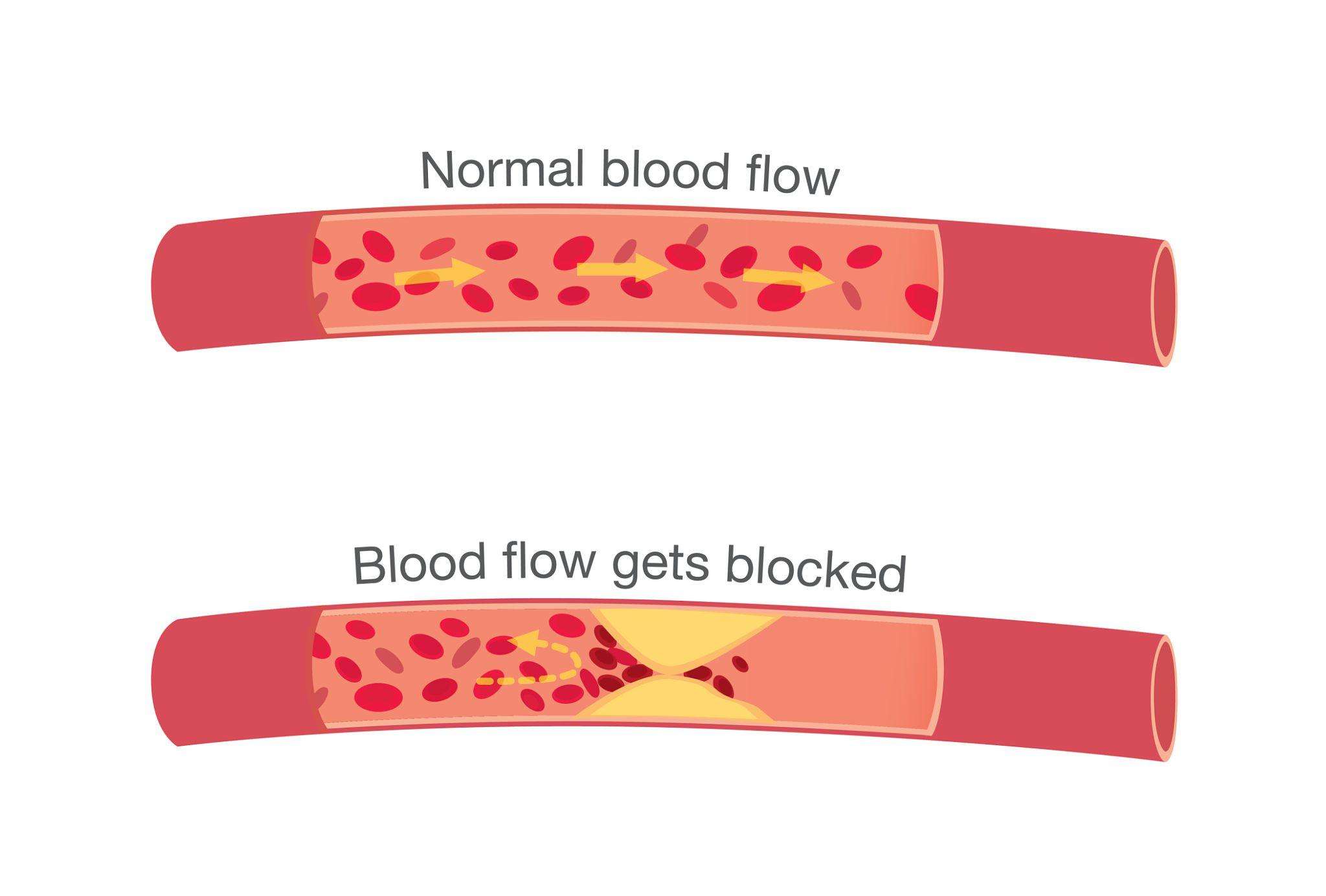
A crush injury compresses muscle tissue directly — disrupting blood vessels, damaging cell membranes, and triggering a massive inflammatory response. Swelling begins immediately. In enclosed muscle compartments — bounded by fascia that does not stretch — this swelling has nowhere to go.
As intracompartmental pressure rises, it eventually exceeds capillary perfusion pressure. Blood flow into the compartment stops. Oxygen delivery stops. The tissue becomes ischaemic — alive but starving.
This is compartment syndrome. The clock starts the moment perfusion ceases.
| Time Since Ischaemia Onset | Tissue Status | Reversibility |
|---|---|---|
| 0–2 hours | Ischaemic but viable — cells alive, metabolism impaired | Fully reversible with reperfusion and oxygenation |
| 2–6 hours | Progressive cellular damage — membrane integrity declining | Partially reversible — HBOT most critical in this window |
| 6–12 hours | Significant necrosis beginning — muscle fibre death underway | Limited reversibility — damage reduction still possible |
| Beyond 12 hours | Established necrosis — irreversible tissue loss | HBOT limits extension but cannot reverse established death |
The 6-hour window is not a guideline. It is a biological deadline. After 6 hours of ischaemia, the majority of muscle fibres in the affected compartment will not survive regardless of intervention. HBOT initiated within this window changes what is salvaged.
What Fasciotomy Does — and What It Cannot Do
Fasciotomy — the surgical incision that releases compartment pressure — is the primary intervention for compartment syndrome. It is essential and life-saving. It restores the physical conditions for blood flow to resume.
But fasciotomy has a structural limitation that no surgical technique can overcome. It restores circulation to the compartment. It does not address what happened to the tissue during the ischaemic period — or what happens when blood flow returns.
The Second Crisis — Reperfusion Injury
When blood flow is restored to ischaemic tissue — whether through fasciotomy, revascularisation, or spontaneous recovery — something unexpected can occur. The restoration of oxygen to tissue that has been starved triggers a second wave of injury.
This is reperfusion injury. It is not a complication of poor surgical technique. It is a fundamental biological response to reoxygenation after ischaemia — mediated by reactive oxygen species, neutrophil activation, and inflammatory cascades that the returning blood carries with it.
As documented by , HBOT modulates this reperfusion injury cascade at the molecular level — reducing neutrophil adhesion to damaged endothelium, limiting reactive oxygen species signalling, and protecting mitochondrial membrane function in the cells caught between ischaemia and reperfusion.
Standard fasciotomy addresses the pressure. HBOT addresses the biology of what follows.
Restoring blood flow to ischaemic tissue is essential. What HBOT adds is control over what that blood brings with it — modulating the inflammatory cascade that reperfusion triggers, rather than allowing it to cause a second wave of destruction.
How HBOT Addresses Crush Injury — Four Mechanisms
Mechanism 1 — Plasma Oxygenation Without Functional Circulation
At 2.0–2.4 ATA, oxygen dissolves into blood plasma at concentrations 15–20 times higher than at atmospheric pressure. This plasma-dissolved oxygen reaches tissue through diffusion — without needing functional capillary flow. In a compartment where circulation has been compromised by pressure, swelling, or reperfusion injury, plasma diffusion is the only oxygenation pathway that still works.
Each HBOT session delivers oxygen to the ischaemic margin — the zone of tissue that is alive but vulnerable — buying it the biological resources it needs to survive until circulation is fully restored and stable.
Mechanism 2 — Reperfusion Injury Modulation
The reactive oxygen species cascade triggered by reperfusion damages endothelial cells, disrupts mitochondrial function, and recruits inflammatory cells that cause secondary tissue death. established that HBOT at therapeutic pressure directly reduces neutrophil-endothelium adhesion — one of the primary drivers of reperfusion-mediated tissue destruction — creating a controlled oxygenation environment that limits rather than amplifies the inflammatory response.
Mechanism 3 — Stem Cell Mobilisation for Tissue Repair
Beyond immediate oxygenation, HBOT mobilises circulating stem cells from bone marrow — documented by to produce an 8-fold increase in stem cell circulation. These cells travel to sites of injury and participate in tissue regeneration — providing the repair resources that acute trauma depletes.
Mechanism 4 — Skeletal Muscle Regeneration
For the muscle tissue damaged by crush injury, documented that HBOT significantly accelerates skeletal muscle regeneration through macrophage activation and satellite cell recruitment. Satellite cells are the muscle’s own stem cells — responsible for repair after damage. HBOT activates them earlier and in greater numbers than recovery without hyperbaric oxygen.
HBOT crush injury treatment — reperfusion injury mechanism hyperbaric oxygen tissue salvage
The HBOT Protocol for Crush Injury — What Treatment Looks Like
The FDA and UHMS recognise acute traumatic ischaemia — including crush injuries and compartment syndrome — as an HBOT indication. The protocol is intensive in the acute phase, reflecting the time-critical nature of the condition.
| Phase | Time Window | HBOT Role | Priority |
|---|---|---|---|
| Acute | First 24 hours | 3 sessions every 6–8 hrs — oxygenate ischaemic margin; limit reperfusion injury | CRITICAL |
| Sub-acute | Days 2–5 | Twice daily — consolidate tissue preservation; support inflammation resolution | HIGH |
| Recovery | Days 5–14 | Once daily — support muscle regeneration; build oxygenation for healing | MODERATE |
| Rehabilitation | As indicated | Based on wound response and reconstruction needs | ADJUNCTIVE |
Sessions are conducted at 2.0 to 2.4 ATA for 90 minutes of oxygen breathing. The patient must be haemodynamically stable to enter the chamber — HBOT begins after acute surgical stabilisation, not instead of it.
The protocol runs in parallel with standard trauma care. Fasciotomy and surgical debridement happen first. HBOT begins as soon as the patient can safely tolerate it — ideally within the first 24 hours post-operatively.
What the Evidence Shows — Limb Salvage and Functional Outcomes
| FDA Indication | Acute peripheral arterial insufficiency and traumatic ischaemia are formally recognised HBOT indications by the US FDA. The standard protocol calls for HBOT three times in the first 24 hours, then twice daily — specifically designed to address the time-critical biology of ischaemic tissue survival. |
The fundamental mechanism supporting HBOT in crush injury outcomes is the reduction of reperfusion injury — documented extensively by — and the direct oxygenation of marginally viable tissue. Clinical series consistently show that patients who receive HBOT as part of acute trauma management have lower rates of secondary amputation, reduced need for repeat debridement, and better functional recovery than those who receive surgery and standard care alone.
For skeletal muscle specifically, documented that macrophage activation and satellite cell recruitment triggered by HBOT produces measurably faster and more complete muscle regeneration — the difference between full functional recovery and permanent limitation.
For Athletes — When a Serious Injury Threatens More Than a Season
Crush injuries and severe compartment syndrome can end athletic careers. The tissue damage, the surgical intervention, the long recovery — each represents a potential ceiling on what function returns.
HBOT addresses this ceiling biologically. By limiting the extent of tissue death in the acute phase, reducing the inflammatory damage that follows reperfusion, and accelerating the muscle regeneration that determines long-term function — HBOT changes what the recovery looks like, not just how long it takes.
Elite athletes increasingly incorporate HBOT into serious injury recovery for this reason. For the sports science behind HBOT recovery, see our guide to HBOT for sports recovery and the evidence on HBOT for fibromyalgia and chronic fatigue — both illustrating how oxygen therapy accelerates recovery in demanding physical conditions.
Crush Injuries and HBOT in India — Access and Awareness
India’s road accident burden is among the highest in the world — with over 150,000 fatalities and several times that number in serious injuries annually. Crush injuries from road trauma, industrial accidents, and construction incidents represent a significant and growing clinical load.
Awareness of HBOT as an acute trauma adjunct remains low among Indian emergency physicians and orthopaedic surgeons. Most major Indian trauma centres do not have on-site hyperbaric facilities — meaning the window for early HBOT intervention is frequently missed simply because the option is not known or accessible.
For HBOT availability in Indian metros, see our guides to HBOT in Delhi and HBOT in Bangalore. For session costs, visit our HBOT cost in Mumbai guide.
Frequently Asked Questions
1. Can HBOT replace fasciotomy in compartment syndrome?
No. Fasciotomy is the primary and urgent intervention for compartment syndrome — it releases the pressure that is cutting off circulation. HBOT cannot do this. What HBOT does is address the oxygen-deprivation biology that fasciotomy alone cannot resolve — the ischaemic tissue margin, the reperfusion injury, the inflammatory cascade. The two interventions address different layers of the same problem. They are complementary, not alternatives.
2. How quickly does HBOT need to start after crush injury?
As soon as the patient is haemodynamically stable following initial surgical management. The 6-hour ischaemia window is the biological reference point — tissue death accelerates beyond this threshold. In practice, HBOT should begin within the first 24 hours post-operatively for maximum effect. The acute protocol of three sessions in the first 24 hours is designed to address the critical early window.
3. Is HBOT safe immediately post-surgery?
Yes — for haemodynamically stable patients. Pneumothorax must be excluded before treatment, dressings are maintained, and monitoring equipment must be compatible with the chamber environment. Most modern hyperbaric facilities have protocols for post-surgical patients and staff trained in managing their care during sessions.
4. What kind of crush injuries benefit most from HBOT?
- Limb crush injuries with documented compartment syndrome requiring fasciotomy
- Degloving injuries with large zones of marginally viable tissue
- Crush injuries with documented arterial compromise even after revascularisation
- Industrial press injuries and high-energy trauma with significant soft tissue involvement
- Post-amputation wounds at risk of stump non-healing due to vascular compromise
5. Can HBOT help with long-term muscle recovery after a crush injury?
Yes — and this is one of its most clinically meaningful contributions beyond the acute phase. The satellite cell activation and macrophage-mediated muscle regeneration documented by Oyaizu et al. (2018) continue to accumulate over the course of treatment. Patients who receive a full HBOT course after serious crush injury consistently show better functional muscle recovery — more strength, more range of motion, faster return to baseline function.
6. Where can I access HBOT for crush injury management in India?
Hospital-based hyperbaric units in major Indian metros offer HBOT for trauma indications. For a full guide, visit our HBOT clinics and locations section. You may also find our recently published guide on carbon monoxide poisoning and HBOT useful for understanding how HBOT addresses other acute emergency indications.
The Hours After the Accident Still Matter
What happens in the first 24 hours after a serious crush injury does not just determine whether the surgery succeeds. It determines what function returns — and what is lost permanently.
HBOT addresses the biology of those hours in a way that surgery alone cannot. Plasma oxygenation reaches tissue that circulation cannot. Reperfusion injury is modulated rather than amplified. Stem cells mobilise. Satellite cells activate. The margin of what can be saved widens.
The window is real. The biology is documented. The therapy exists.
To understand the full mechanism of HBOT — including plasma oxygenation and its application to ischaemic tissue — visit How HBOT Works.
For the broader evidence on HBOT in conditions and serious injury, explore our HBOT conditions reference.
The injury happened in a moment. What you do in the hours that follow can determine the rest.
Explore the HBOTLAB Knowledge Centre →


3 Comments
Comments are closed.


[…] same mechanism is described in our article on HBOT for crush injury and compartment syndrome — reperfusion injury is the shared biological challenge across all ischaemia-reperfusion […]
[…] the primary crush injury protocol and evidence, see our guide on HBOT for crush injury and compartment syndrome. For the pressure mechanism, visit How HBOT […]
[…] For the detailed evidence review, see our article on hyperbaric oxygen therapy reviews for crush injury. For the primary protocol guide, see HBOT for crush injury and compartment syndrome. […]