
Bryan Johnson Did 60 HBOT Sessions — Here’s What the Data Actually Showed
The question is not whether Bryan Johnson’s data is real. It is whether the biology it demonstrates is accessible to you — and what you need to know before you decide.
Most people who search “Bryan Johnson HBOT” are not looking for celebrity news.
They are asking a more serious question: if a person with unlimited resources, a team of 30 doctors, and total commitment to reversing biological ageing chose hyperbaric oxygen therapy as a core part of his protocol — what did it actually do? And is the mechanism real enough to matter for everyone else?
Bryan Johnson completed 60 HBOT sessions at 2.0 ATA as part of his Blueprint protocol. The results he published — and the peer-reviewed science underpinning them — are worth understanding carefully. Not because Johnson is the authority. But because the biology he is testing is real, measurable, and increasingly accessible in India.
Longevity science visual — cellular biology or HBOT chamber with data overlay.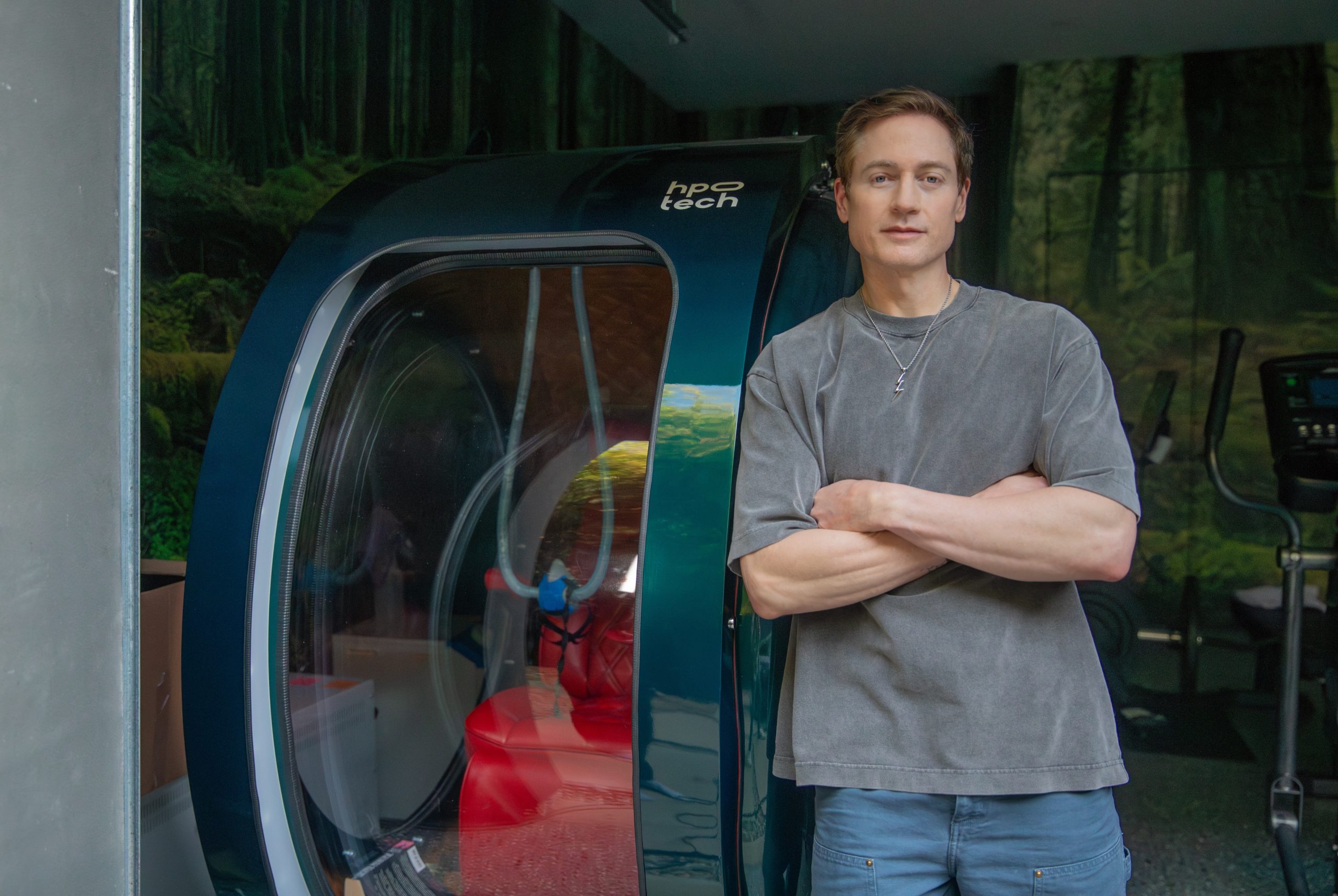
Bryan johnson hbot — hyperbaric oxygen therapy and longevity science results
What Is HBOT and Why Did Bryan Johnson Choose It?
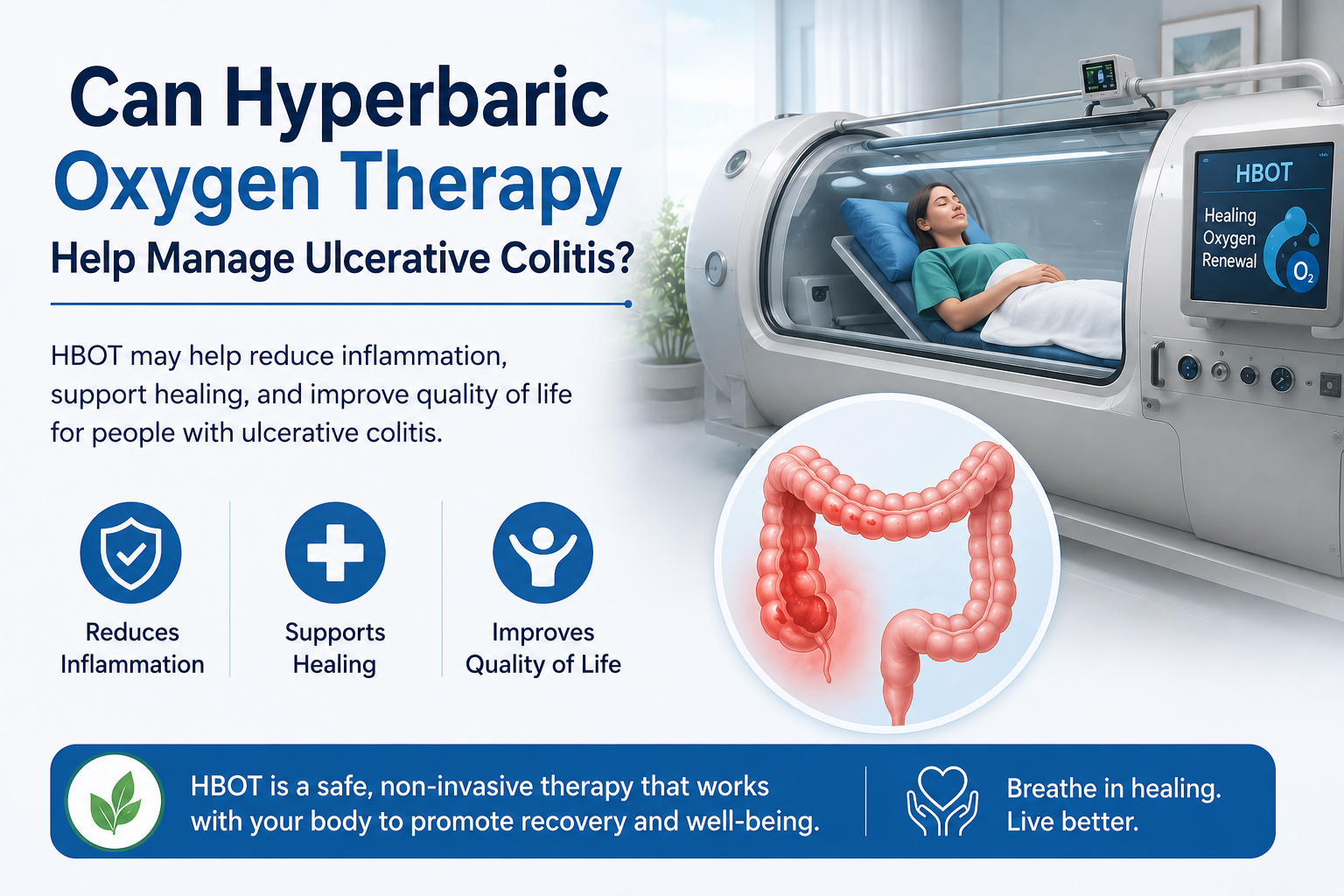
Hyperbaric oxygen therapy (HBOT) is a treatment in which you breathe pure oxygen inside a pressurised chamber at 1.5 to 2.4 times normal atmospheric pressure. At that pressure, oxygen dissolves directly into blood plasma — not just red blood cells — reaching tissues that standard circulation cannot fully oxygenate. The result is a cascade of cellular responses: stem cell mobilisation, angiogenesis, inflammation reduction, and mitochondrial repair.
Bryan Johnson’s Blueprint protocol is one of the most documented human longevity experiments in history. His team measures over 100 biomarkers monthly and publishes the results publicly. HBOT was included not as a wellness fad but because of a specific body of research — primarily the 2020 Tel Aviv University study by Efrati et al. — that showed measurable reversal of cellular ageing markers after 60 HBOT sessions.
What the Data Actually Showed: Bryan Johnson’s HBOT Results
Johnson’s published Blueprint data following his HBOT protocol reported several biomarker improvements, including reductions in inflammatory markers and improvements in metabolic and cognitive benchmarks. The specific HBOT mechanism he targeted was telomere biology and senescent cell reduction.
The research he based this on was direct:
| Biomarker | Finding (Efrati et al., 2020) | What It Means |
|---|---|---|
| Telomere length (T-cells) | Increased by up to 38% after 60 sessions | Longer telomeres are associated with slower biological aging and reduced disease risk |
| Senescent T cells | Reduced by up to 37% | Senescent cells accumulate with age and drive chronic inflammation — reducing them is a core longevity target |
| Senescent B cells | Reduced by up to 13% | B cell senescence affects immune function and inflammatory load |
| B regulatory cells | Increased significantly | Immune regulation improvement — associated with reduced autoimmune and inflammatory activity |
These findings were published in a peer-reviewed journal (Aging, 2020) by Efrati et al. at Tel Aviv University and Shamir Medical Centre. They were conducted on healthy adults aged 64 and older over a 12-week period. This is not Blueprint-specific data. It is independent science that Johnson’s protocol was built on.
The Biology Underneath the Headlines: Why HBOT Affects Ageing
The celebrity story matters less than understanding why the mechanism works. HBOT affects biological ageing through three interconnected pathways:
Telomere lengthening
Telomeres are the protective caps at the end of chromosomes. They shorten with each cell division — a process that accelerates with inflammation, oxidative stress, and poor cellular oxygenation. Shortened telomeres are one of the most reliable markers of biological ageing. The Efrati 2020 study demonstrated that repeated HBOT at 2.0 ATA reversed this shortening in immune cells. The proposed mechanism is that HBOT-induced hyperoxygenation activates telomerase — the enzyme that rebuilds telomeres — in oxygenated immune cells.
Senescent cell clearance
Senescent cells are cells that have stopped dividing but remain metabolically active — secreting inflammatory signals that damage surrounding healthy tissue. This “zombie cell” accumulation is a key driver of age-related disease, cognitive decline, and systemic inflammation. HBOT’s anti-inflammatory effect and its activation of apoptotic pathways — the body’s natural cell-death mechanism — appears to reduce senescent cell load. The 37% reduction in senescent T cells observed by Efrati et al. represents a measurable senolytic effect without pharmaceutical intervention.
Mitochondrial repair
Mitochondria are the energy factories of cells — and mitochondrial dysfunction is one of the earliest and most consistent features of biological ageing. HBOT’s delivery of supra-physiological oxygen to plasma directly supports mitochondrial electron transport chain efficiency. Palzur et al. (Brain Research, 2008) documented that HBOT preserves mitochondrial membrane integrity under conditions of cellular stress — a finding with direct longevity implications.
What This Means for Anyone Considering HBOT for Longevity
Bryan Johnson is not the point. The point is that the biology he is targeting is real, the evidence is peer-reviewed, and the protocol is replicable. You do not need unlimited resources or 30 doctors to run a 60-session HBOT longevity protocol.
What you do need:
- A hard chamber capable of 2.0 ATA. The Efrati study used 2.0 ATA. Soft chambers at 1.3 ATA will not replicate these findings.
- 60 sessions minimum. The telomere and senescent cell effects were measured at the end of a 60-session, 12-week protocol (5 sessions per week). Shorter courses are unlikely to produce the same magnitude of effect.
- A facility that understands the longevity protocol, not just wellness sessions. Ask whether the facility has experience running structured longevity protocols and what their monitoring approach is.
- Baseline biomarker testing. If you want measurable outcomes — not just a wellness experience — test before and after. Inflammatory markers, telomere length assays, and metabolic panels are available in most Indian metro cities.
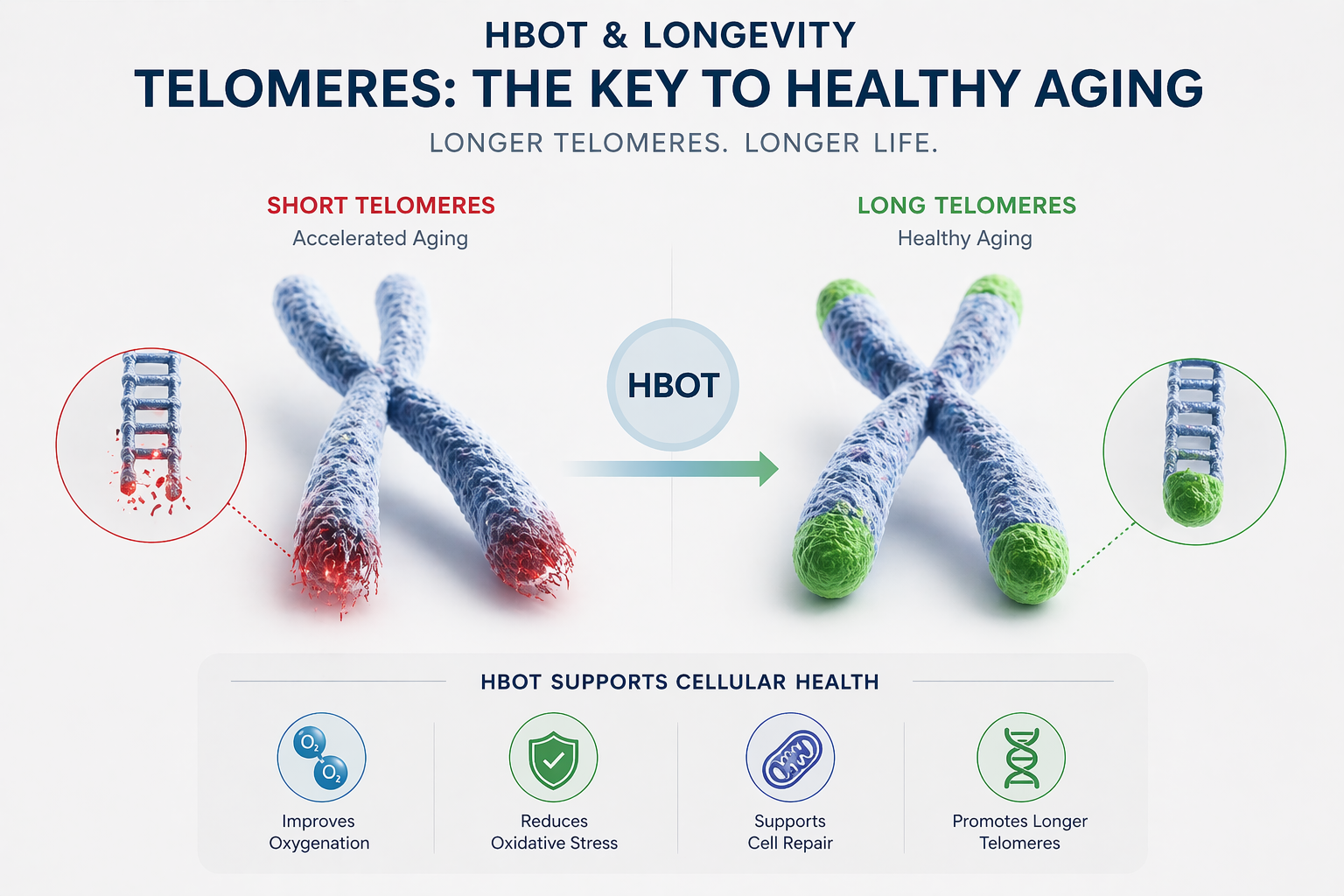
Telomere diagram or longevity biomarker chart.
bryan johnson hbot longevity — telomere lengthening and anti-aging science from hyperbaric oxygen therapy
HBOT for Longevity in India: Where to Start
A 60-session longevity HBOT protocol at 2.0 ATA in India costs approximately ₹1,40,000 to ₹6,00,000 depending on city and facility. That is a meaningful investment — and a fraction of what running the same protocol in the US, UK, or Israel would cost.
Bangalore currently has the most active longevity HBOT audience in India, with dedicated hard chamber facilities in Whitefield, Koramangala, and HSR Layout running structured protocols for tech founders and high-information wellness investors. Read our full guide to HBOT in Bangalore — including the 7 factors that determine whether a session at any facility is actually worth the investment.
For a full breakdown of what HBOT costs across Indian metros and how insurance and out-of-pocket planning works, see our guide on what HBOT costs and how to access it in India.
What HBOT Longevity Is Not
It is worth being precise about what the Efrati study does and does not show, and what Bryan Johnson’s protocol demonstrates and does not claim.
- HBOT does not make you younger. It reduces measurable biological markers associated with cellular ageing. Whether that translates to extended healthspan or lifespan in humans has not been established in long-term trials.
- The Efrati study was conducted on healthy older adults. The findings are not directly extrapolated to younger populations or those with chronic disease.
- HBOT is one element of a comprehensive longevity protocol. Johnson also runs extensive nutritional, sleep, exercise, and pharmacological interventions. Attributing outcomes solely to HBOT from his data is not scientifically valid.
- HBOT at 1.3 ATA (soft chambers) does not replicate the Efrati protocol. Any facility claiming longevity outcomes from low-pressure soft chamber sessions is overstating the evidence.
Frequently Asked Questions About HBOT and Longevity
What did Bryan Johnson’s HBOT protocol involve?
Bryan Johnson completed 60 HBOT sessions at 2.0 ATA as part of his Blueprint longevity protocol, based primarily on the Efrati et al. (Aging, 2020) research from Tel Aviv University. The protocol runs 5 sessions per week for 12 weeks. His published data reported biomarker improvements consistent with the research findings, alongside hundreds of other interventions he runs simultaneously.
What does the research actually show about HBOT and ageing?
Efrati et al. (Aging, 2020) conducted a randomised controlled trial on 35 healthy adults aged 64 and older. After 60 HBOT sessions at 2.0 ATA, participants showed telomere lengthening of up to 38% in T cells and reduction in senescent T cells of up to 37%. These are statistically significant findings in peer-reviewed science. It is the most cited HBOT longevity study in the field.
Does HBOT actually reverse ageing?
HBOT does not reverse ageing in a clinical sense. It reduces measurable biological markers associated with cellular ageing — specifically telomere shortening and senescent cell accumulation. Whether this translates to extended healthspan or lifespan in humans has not been established in long-term trials. The science is real and promising. Claims of age reversal are an overstatement of the current evidence.
Can I do a Bryan Johnson-style HBOT protocol in India?
Yes. A 60-session hard chamber HBOT protocol at 2.0 ATA is available at dedicated wellness centres in Bangalore, Mumbai, Delhi, and Hyderabad. The total investment ranges from approximately ₹1,40,000 to ₹6,00,000 depending on city and facility. Hard chamber access and the correct pressure level are essential — soft chamber sessions at 1.3 ATA do not replicate the Efrati protocol.
How is longevity HBOT different from wellness HBOT?
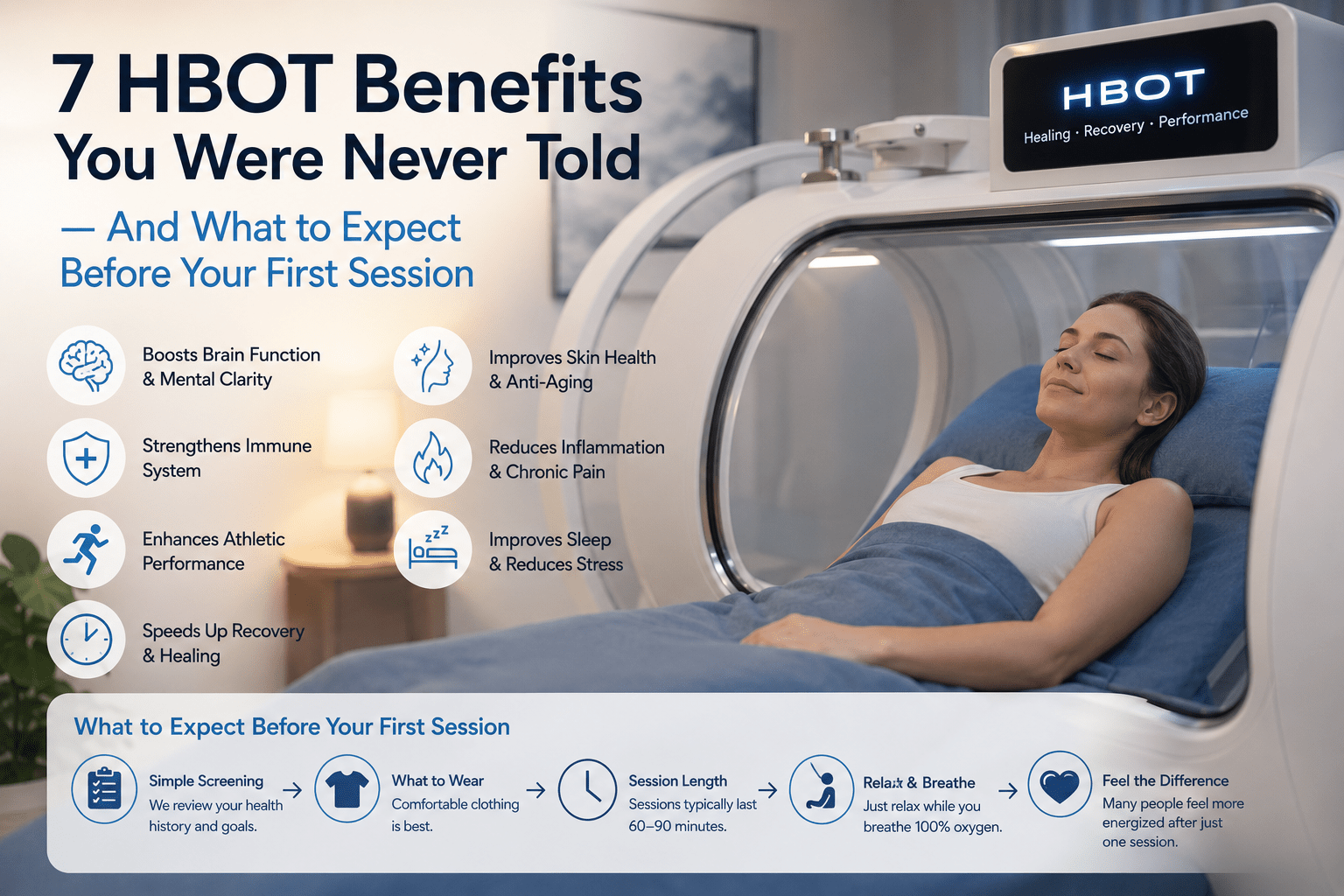
Longevity HBOT follows a specific protocol: 60+ sessions, 2.0 ATA, 90 minutes at pressure, 5 sessions per week. Wellness HBOT is typically shorter in course length, may use lower pressure, and targets general recovery or symptom relief rather than cellular ageing markers. If your goal is the telomere and senescent cell outcomes from the Efrati research, you need a facility that runs the clinical protocol, not a general wellness programme.
The Experiment Is Open Source. The Biology Is Not Optional.
Bryan Johnson made his protocol public because he believes the data should be available to everyone. The telomere biology is not proprietary. The senescent cell research is not proprietary. The 60-session, 2.0 ATA HBOT protocol is not proprietary.
What you need is access to a facility that can deliver it properly. In India, that access now exists.
When you are ready to understand exactly what happens inside your body during a session —