
Recovery is rarely a straight path. Whether it’s a sports injury, post-surgical healing, or chronic wound management, the body needs optimal conditions to repair itself efficiently. One approach gaining serious attention among clinicians and performance specialists is Hyperbaric oxygen therapy for recovery—a scientifically backed method that enhances the body’s natural healing mechanisms at a cellular level.
At HBOTLAB, the focus is on leveraging advanced oxygen-based therapies to accelerate recovery, reduce complications, and improve overall patient outcomes. Let’s break down how this therapy works and why it’s becoming a preferred choice across medical and wellness domains.
What Is Hyperbaric Oxygen Therapy?
Hyperbaric Oxygen Therapy (HBOT) involves breathing pure oxygen in a pressurized chamber. Under these conditions, oxygen dissolves more effectively into the bloodstream, plasma, and tissues—far beyond what normal breathing achieves.
This increased oxygen delivery is the foundation of faster healing. Oxygen plays a critical role in:
- Tissue repair
- Immune response
- Collagen production
- Angiogenesis (formation of new blood vessels)
When tissues are injured or stressed after surgery, oxygen supply is often compromised. HBOT addresses this limitation directly.
The Science Behind Faster Healing
The body relies heavily on oxygen to fuel cellular processes. When oxygen levels are insufficient, healing slows down. HBOT changes this equation dramatically.
1. Enhanced Oxygen Saturation
Under pressure, oxygen dissolves into plasma and reaches areas with poor circulation. This is especially beneficial for:
- Surgical sites
- Injured muscles
- Damaged tissues
2. Accelerated Tissue Regeneration
Higher oxygen levels stimulate fibroblast activity and collagen synthesis—two key components of wound repair.
3. Reduced Inflammation
HBOT helps regulate inflammatory responses, which is crucial after surgery or trauma. Controlled inflammation means less swelling and quicker recovery.
4. Improved Immune Function
Oxygen-rich environments strengthen white blood cell activity, helping the body fight infections more effectively.
Benefits After Surgery
Post-surgical recovery can be complex, particularly in cases involving major procedures or slow-healing wounds. Hyperbaric oxygen therapy for recovery offers multiple benefits:
1. Faster Wound Healing
Surgical incisions heal more quickly due to improved oxygen supply and collagen formation.
2. Reduced Risk of Infection
HBOT enhances the body’s natural defense mechanisms, lowering the chances of post-operative infections.
3. Decreased Swelling and Pain
Patients often report reduced discomfort as inflammation subsides more rapidly.
4. Better Scar Formation
Improved collagen production leads to more organized tissue repair and less visible scarring.
Role in Injury Recovery
From athletes to accident victims, injury recovery demands precision and speed. HBOT supports this process in several ways:
1.Muscle Recovery
Increased oxygen levels help repair muscle fibers faster after strain or trauma.
2. Ligament and Tendon Healing
These tissues have limited blood supply. HBOT compensates by delivering oxygen directly through plasma.
3. Bone Repair
HBOT supports osteogenesis (bone formation), making it useful for fractures and orthopedic recovery.
4. Reduced Downtime
Faster healing means individuals can return to activity sooner without compromising safety.
Conditions Where HBOT Shows Strong Results
HBOT is widely used across medical and performance settings. Some common applications include:
- Post-surgical recovery
- Sports injuries
- Chronic wounds (e.g., diabetic ulcers)
- Burns and skin grafts
- Radiation injury
- Infections resistant to antibiotics
At HBOTLAB, treatment protocols are tailored based on the condition, severity, and individual response.
Why Oxygen Matters More Than You Think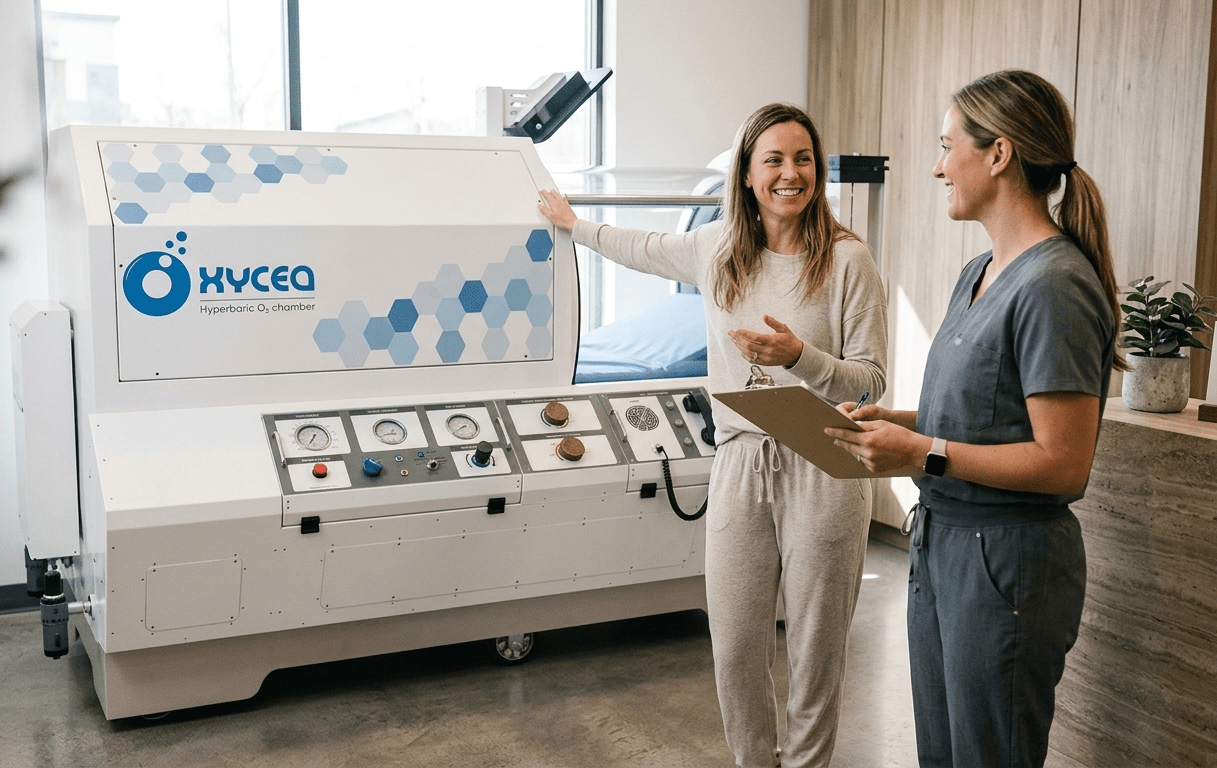
Oxygen is often underestimated in recovery discussions. Yet, it is one of the most critical elements in cellular metabolism and healing.
When tissues are deprived of oxygen:
- Cell regeneration slows
- Infection risk increases
- Recovery time extends
HBOT reverses these limitations by saturating tissues with oxygen, even in areas where blood flow is restricted.
Clinical Evidence and Growing Adoption
Healthcare professionals are increasingly incorporating HBOT into treatment plans due to its measurable outcomes.
Studies have shown:
- Faster wound closure rates
- Reduced hospital stays
- Lower complication rates
- Improved patient satisfaction
Sports medicine, orthopedics, and post-operative care are among the fields where adoption is rapidly expanding.
What to Expect During a Session
Patients undergoing HBOT at HBOTLAB experience a controlled and monitored environment.
The Process:
- You enter a pressurized chamber
- Pure oxygen is administered
- Sessions typically last 60–90 minutes
Sensations:
- Mild ear pressure (similar to flying)
- Relaxed environment
- No pain or discomfort
Most patients require multiple sessions depending on their condition.
Safety and Considerations
HBOT is generally safe when administered under professional supervision. However, it’s important to evaluate:
- Medical history
- Existing conditions
- Treatment goals
At HBOTLAB, every session is conducted with strict safety protocols and expert oversight.
Who Can Benefit the Most?
While HBOT is versatile, certain groups benefit significantly:
- Post-surgical patients
- Athletes recovering from injuries
- Individuals with chronic wounds
- Patients with compromised circulation
- Those seeking faster rehabilitation
The therapy is not limited to medical use—it’s also gaining traction in wellness and performance optimization.
HBOTLAB Approach to Recovery
HBOTLAB focuses on precision-driven recovery solutions. Each protocol is designed to:
- Maximize oxygen delivery
- Enhance healing efficiency
- Reduce recovery timelines
With advanced equipment and experienced professionals, HBOTLAB ensures that patients receive targeted, effective care.
Integrating HBOT into Recovery Plans
HBOT works best when combined with other recovery strategies:
- Physical therapy
- Nutritional support
- Adequate rest
- Medical supervision
This integrated approach ensures long-term results rather than short-term relief.
The Future of Recovery Science
The shift toward non-invasive, science-backed recovery methods is accelerating. Hyperbaric oxygen therapy for recovery is at the forefront of this movement.
As more research emerges, its applications continue to expand, making it a cornerstone in modern healing strategies.
FAQs
1. What is Hyperbaric oxygen therapy for recovery?
It is a treatment where patients breathe pure oxygen in a pressurized chamber to accelerate healing and tissue repair.
2. How does Hyperbaric oxygen therapy for recovery work?
It increases oxygen levels in blood and tissues, promoting faster cell regeneration and reducing inflammation.
3. Is Hyperbaric oxygen therapy for recovery safe?
Yes, when conducted under medical supervision, it is considered safe with minimal side effects.
4. How many sessions are needed for recovery?
The number varies depending on the condition, but most patients require multiple sessions for optimal results.
5. Who should consider Hyperbaric oxygen therapy for recovery?
It is ideal for post-surgery patients, athletes, and individuals with slow-healing injuries or wounds.
6. Does HBOT really speed up surgical recovery?
Yes, it enhances oxygen delivery, which accelerates tissue repair and reduces complications.
7. Can HBOT help with sports injuries?
Absolutely. It supports muscle, ligament, and tendon healing while reducing downtime.
8. Are there any side effects of HBOT?
Side effects are rare but may include mild ear pressure or temporary fatigue.
9. How soon can results be seen?
Some patients notice improvements within a few sessions, while others may take longer depending on the severity.
10. Is HBOT suitable for chronic conditions?
Yes, it is often used for chronic wounds and conditions where healing is delayed due to poor oxygen supply.