
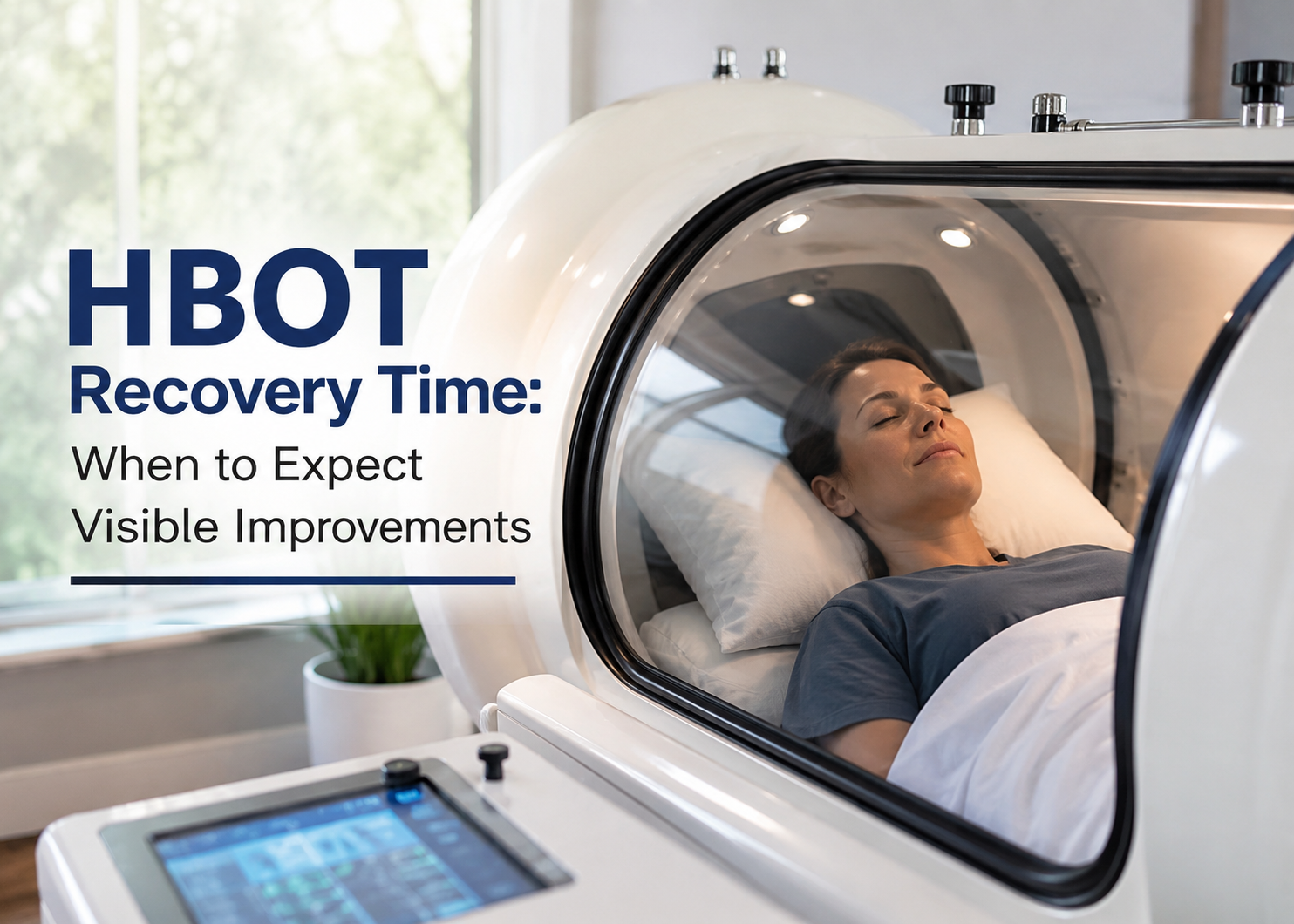
Hyperbaric Oxygen Therapy has become an important part of recovery programs for individuals seeking enhanced healing, improved oxygen circulation, and support for long-term wellness. Whether someone is recovering from injury, surgery, neurological conditions, athletic strain, or chronic fatigue, one question appears consistently: how long does it take to notice results?
The answer depends on several factors, including the individual’s health condition, treatment consistency, oxygen saturation levels, and the body’s natural ability to repair itself. While some people report changes after only a few sessions, others may require a longer treatment cycle before visible improvements become noticeable.
At HBOTLAB, clients often arrive with expectations shaped by online testimonials or personal recommendations. While those experiences can be inspiring, recovery is highly individual. Hyperbaric oxygen therapy supports the body’s healing process, but timelines vary from person to person.
What Influences HBOT Recovery Time?
The phrase “HBOT Recovery Time” does not refer to a single fixed duration. Instead, it represents the period during which the body gradually responds to increased oxygen delivery under pressure.
Several important factors influence how quickly improvements appear.
1. Severity of the Condition
Someone recovering from mild fatigue or sports-related soreness may respond faster than an individual managing long-term neurological challenges or tissue damage. Acute conditions generally show earlier signs of response compared to chronic issues that have existed for years.
2. Number of Sessions
Consistency plays a major role in oxygen therapy outcomes. Many individuals begin with a structured treatment schedule involving multiple weekly sessions. Visible progress often becomes more noticeable after cumulative exposure rather than after one isolated appointment.
3. Age and Overall Health
The body’s healing capacity naturally changes with age. Individuals with healthier circulation, balanced nutrition, and strong immune function may notice quicker responses compared to those dealing with underlying inflammation or metabolic stress.
4. Lifestyle Habits
Hydration, sleep quality, physical activity, smoking, alcohol use, and nutritional intake all influence cellular recovery. HBOT works most effectively when paired with healthy habits that support tissue repair.
5. Treatment Goals
Some clients pursue hyperbaric oxygen therapy for wellness optimization, while others use it as part of recovery support after surgery, injury, or neurological concerns. Recovery expectations differ significantly depending on the intended outcome.
How Hyperbaric Oxygen Therapy Supports Recovery
Hyperbaric oxygen therapy works by increasing atmospheric pressure while delivering concentrated oxygen. This process allows oxygen to dissolve more efficiently into plasma and tissues throughout the body.
Higher oxygen availability may support:
- Tissue repair
- Circulation enhancement
- Cellular energy production
- Inflammation management
- Recovery after physical stress
- Wound healing support
- Cognitive performance support
When tissues receive improved oxygen delivery, the body can operate more efficiently during the healing process. However, the speed of visible improvements depends on how damaged or stressed the tissues were before therapy began.
Early Changes Some Individuals Notice
Many people expect dramatic overnight transformations. In reality, HBOT Recovery Time often begins with subtle internal changes before major visible results appear.
During the first few sessions, some individuals report:
- Improved sleep quality
- Increased mental clarity
- Better energy levels
- Reduced feelings of fatigue
- Mild relaxation after sessions
- Improved focus and concentration
These early responses may indicate improved oxygen utilization and circulation. For some individuals, these changes appear within the first week. Others may require additional sessions before experiencing noticeable differences.
Visible Improvements During the First 10 Sessions
The first 10 sessions are often considered an adjustment phase. The body begins adapting to increased oxygen exposure while initiating deeper cellular repair processes.
Depending on the condition being addressed, individuals may begin noticing:
1. Physical Recovery Support
Athletes and physically active individuals sometimes experience reduced soreness, quicker muscle recovery, and improved stamina after several sessions.
2. Skin and Tissue Changes
Some clients notice healthier skin tone, improved texture, and reduced swelling as circulation improves.
3. Mental Performance
Individuals seeking cognitive support may report improved alertness, reduced brain fog, and stronger concentration.
4. Energy Stability
One of the most common responses associated with HBOT Recovery Time is steadier daily energy without major crashes.
However, not everyone notices visible changes this early. For chronic conditions, longer treatment consistency is often necessary.
Why Some People Need More Time
Hyperbaric oxygen therapy supports biological repair, but recovery is not always linear. Chronic inflammation, long-standing injuries, or neurological conditions often require extended treatment schedules.
For example:
- Chronic wounds may require dozens of sessions
- Neurological recovery may progress gradually over months
- Post-surgical healing depends on tissue condition
- Long-term fatigue conditions may respond in phases
In many cases, the body prioritizes internal repair before external improvements become obvious. This is why patience and consistency are important during HBOT treatment cycles.
The Role of Oxygen at the Cellular Level
To understand HBOT Recovery Time more clearly, it helps to examine what occurs inside the body during therapy.
Oxygen is essential for cellular metabolism. Every organ, tissue, and healing process depends on adequate oxygen delivery. When oxygen supply becomes limited due to inflammation, injury, or circulation problems, recovery slows.
Hyperbaric oxygen therapy increases oxygen availability beyond normal breathing conditions. This may help support:
- New blood vessel formation
- Tissue oxygenation
- Cellular energy production
- Recovery after physical trauma
- Natural repair mechanisms
Because these processes occur gradually, visible changes often emerge in stages rather than instantly.
Typical Recovery Expectations by Purpose
While every individual responds differently, general patterns often emerge based on treatment goals.
1. Athletic Recovery
Athletes may notice reduced soreness and quicker recovery within several sessions. Regular therapy may support performance consistency and reduced downtime after intense physical activity.
2. Post-Surgical Support
Individuals recovering after surgery may observe gradual swelling reduction and improved comfort over multiple weeks.
3. Wellness and Energy Support
Clients seeking general wellness often report better sleep, mental clarity, and more balanced energy within the early stages of treatment.
4. Neurological Support
Neurological recovery timelines vary significantly. Some individuals require extended consistency before measurable progress becomes noticeable.
5. Skin and Tissue Repair
Visible skin improvements may appear gradually as oxygen circulation supports healthier tissue function.
Why Session Frequency Matters
One of the biggest misconceptions surrounding HBOT Recovery Time is the belief that occasional sessions produce the same results as structured therapy.
Frequency matters because oxygen-related repair processes build over time. Sporadic treatments may provide temporary relaxation, but consistent exposure often supports deeper physiological adaptation.
Many treatment schedules involve multiple weekly sessions during the initial phase. This allows oxygen saturation and tissue support to accumulate more effectively.
At HBOTLAB, treatment frequency is often tailored based on individual goals, response patterns, and overall wellness objectives.
Can Recovery Feel Slower Before It Feels Better?
Some individuals experience temporary fatigue or mild adjustment periods during early sessions. This does not necessarily indicate negative outcomes.
As the body responds to increased oxygen levels, metabolic activity may shift temporarily. Hydration, rest, and nutrition become especially important during this period.
It is also common for individuals to become more aware of underlying fatigue before energy levels improve consistently. Recovery processes sometimes unfold in phases rather than in a straight upward pattern.
Signs That HBOT Is Supporting Progress
Visible improvements may vary, but several indicators often suggest that the body is responding positively to therapy.
1. Improved Daily Energy
Many clients notice steadier energy without afternoon exhaustion.
2. Better Sleep Quality
Sleep often improves as oxygen circulation and nervous system balance support recovery.
3. Reduced Physical Discomfort
Some individuals report less soreness, stiffness, or tension over time.
4. Enhanced Focus
Mental clarity and concentration improvements are frequently mentioned during ongoing therapy programs.
5. Improved Exercise Recovery
Athletes may notice quicker recovery between training sessions.
6. Healthier Skin Appearance
Better circulation can sometimes contribute to improved skin tone and texture.
These changes may appear gradually, which is why tracking progress weekly rather than daily can provide a clearer picture.
Patience Plays a Major Role
One of the most important aspects of HBOT Recovery Time is realistic expectation management.
Hyperbaric oxygen therapy is not designed as an instant solution. The body heals in layers, especially when dealing with long-standing inflammation or tissue stress.
Clients who maintain consistent sessions while supporting their health through hydration, nutrition, sleep, and physical activity often place themselves in a stronger position for long-term results.
Supporting Faster Recovery Naturally
While HBOT enhances oxygen delivery, additional lifestyle habits may support better overall outcomes.
1. Stay Hydrated
Water supports circulation and oxygen transport throughout the body.
2. Prioritize Sleep
Deep sleep is essential for tissue repair and nervous system recovery.
3. Eat Nutrient-Dense Foods
Protein, vitamins, minerals, and antioxidants help support healing processes.
4. Reduce Smoking and Excess Alcohol
Both can negatively affect circulation and oxygen utilization.
5. Maintain Consistency
Regular attendance is one of the most important contributors to progress.
Common Misconceptions About HBOT Recovery Time
“Results Should Be Immediate”
Some people notice quick changes, but many improvements occur gradually.
“One Session Is Enough”
Longer-term benefits often require multiple sessions and consistency.
“Everyone Responds the Same Way”
Recovery speed varies based on age, condition severity, health status, and treatment goals.
“Visible Results Are the Only Sign of Progress”
Internal healing may begin long before external changes become obvious.
Measuring Progress Beyond Appearance
Visible improvements matter, but they are not the only indicator of recovery success.
Many HBOT clients evaluate progress through:
- Better mobility
- Improved endurance
- Reduced fatigue
- Mental clarity
- Improved mood stability
- Sleep improvements
- Physical comfort
These functional improvements often appear before dramatic physical changes.
Long-Term Benefits of Consistent HBOT
Individuals who maintain ongoing therapy programs may experience continued support for recovery and wellness goals.
Potential long-term advantages may include:
- Better circulation support
- Enhanced recovery capacity
- Improved physical resilience
- Reduced recovery downtime
- Stronger energy balance
- Cognitive performance support
While individual experiences differ, consistent oxygen support may contribute positively to overall wellness strategies.
Choosing the Right Environment for Therapy
The quality of the treatment environment can also influence the overall experience. Comfort, professionalism, safety standards, and individualized attention all matter during hyperbaric oxygen therapy.
At HBOTLAB, treatment programs are designed with a focus on client comfort, wellness support, and personalized care approaches. Every individual arrives with different goals, and recovery timelines are approached with realistic expectations rather than exaggerated promises.
Final Thoughts
HBOT Recovery Time depends on several interconnected factors, including health condition, treatment consistency, lifestyle habits, and individual healing capacity. Some people notice subtle improvements within the first few sessions, while others require longer programs before visible changes emerge.
Hyperbaric oxygen therapy supports the body’s natural repair systems by increasing oxygen availability at the cellular level. Because healing occurs progressively, patience and consistency are essential for achieving meaningful results.
Rather than focusing only on rapid transformations, it is often more valuable to observe gradual improvements in energy, recovery, sleep quality, physical comfort, and mental clarity over time.
At HBOTLAB, the goal is to support each client’s recovery journey with realistic expectations, professional care, and an environment designed to encourage long-term wellness progress.